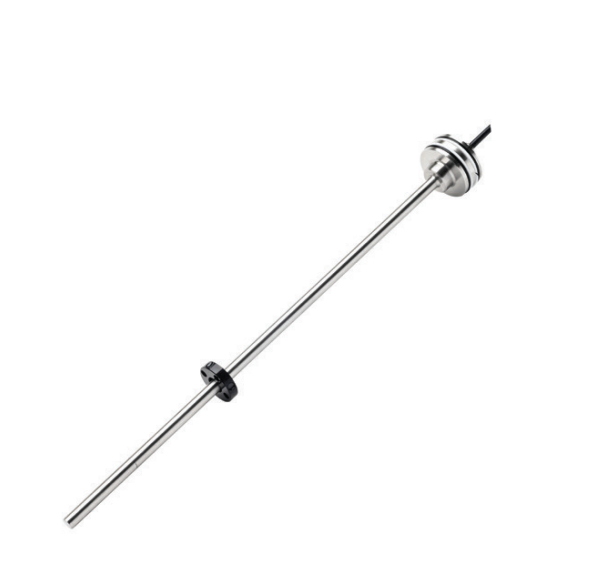
 KnowledgeWhat Does a Hydraulic Cylinder Position Sensor Do?Continuous in-cylinder magnetostrictive feedback vs end-of-stroke proximity switches: what each reports, a comparison table and a six-step selection guide.Read guide →
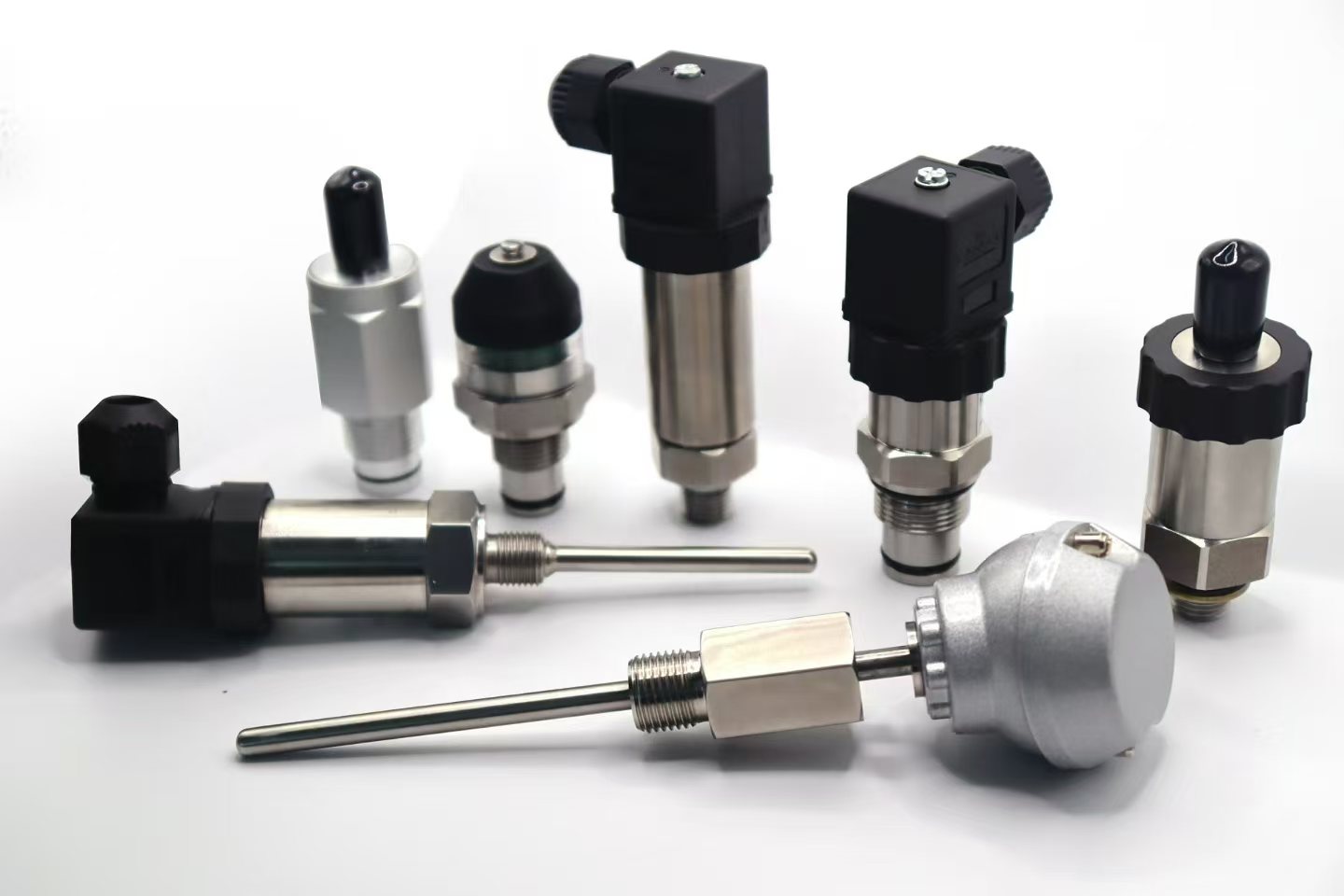 MaterialsWhat Is 316L Stainless Steel and Why Is It Used in Sensors?Composition (Cr, Ni, 2–3% Mo, ≤0.030% C), PREN calculation, 316L vs 316 vs 304, where 316L reaches its limits, and which sensors use it.Read guide →
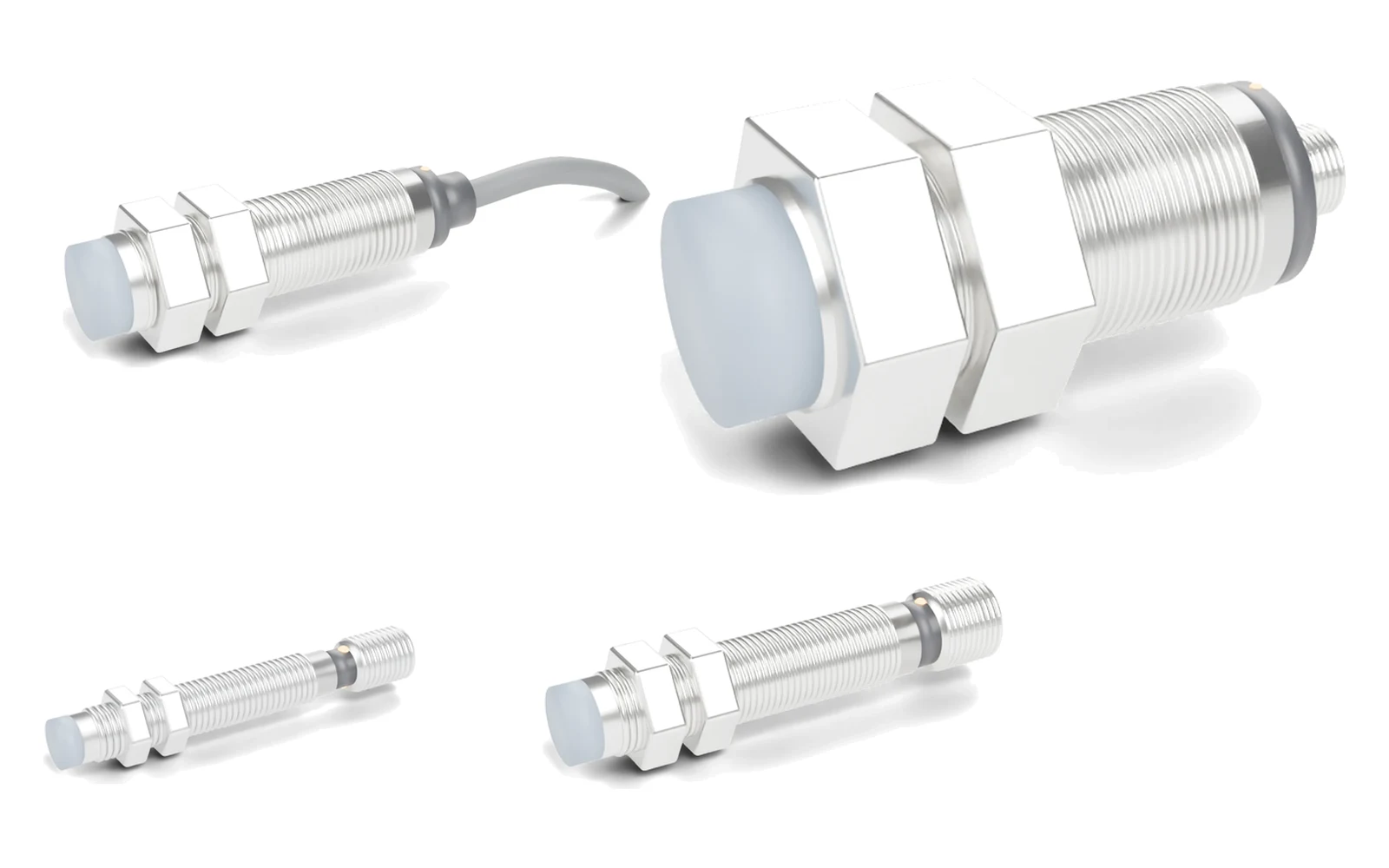 ProximityHow Does an Inductive Proximity Sensor Work?Oscillator, eddy-current damping, trigger and output stage in a 4-step diagram, with skin-depth formula, metal reduction factors and hysteresis.Read guide →
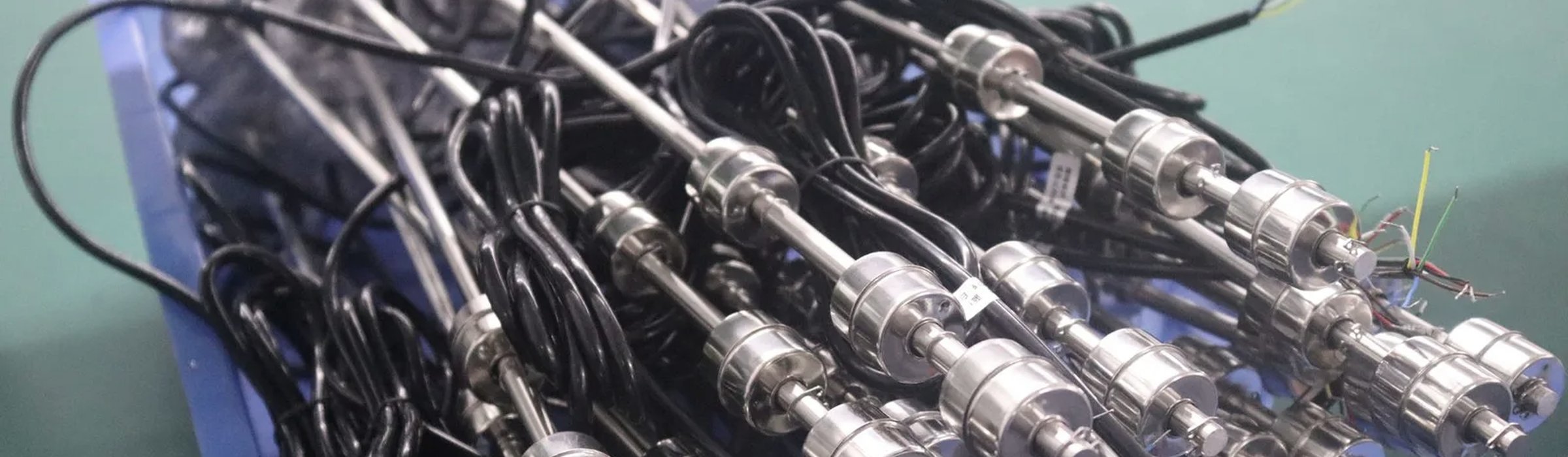 Selection GuideWater Level Sensor for Industrial Tanks and WellsFloat switch, submersible or ultrasonic: a comparison table of ranges and outputs, five selection questions and a worked 0–10 m range-sizing example.Read guide →
 TroubleshootingHow to Check if a Hydraulic Cylinder Is BypassingEnd-of-stroke bypass test, how to tell cylinder leakage from valve leakage, a drift-to-leakage calculation and sensor-based drift monitoring.Read guide →
 ComplianceEU Machinery Regulation 2023/1230: Sensor Supplier ChecklistWhat applies from 20 January 2027, whether position sensors are safety components, and the datasheets, CE, RoHS 3 and test reports to collect for the technical file.Read guide →
 Sensor BasicsIP67 vs IP68 vs IP69K: What the Ratings MeanImmersion depth, time, jet pressure and temperature behind each code, why the ratings are not cumulative, and how to choose one for a sensor.Read guide →
 PositionResolution vs Accuracy vs Repeatability in a Position SensorWhat each precision term means, how to convert % FS specs into micrometres for your stroke, 16-bit analog step size and which spec matters for which job.Read guide →
PressureWhat Are the Types of Pressure Sensors?Gauge, absolute, differential and vacuum references; piezoresistive, ceramic and thin-film elements; how a pressure transducer works (diaphragm, Wheatstone bridge, 4–20 mA); switch vs transducer vs transmitter.Read guide →
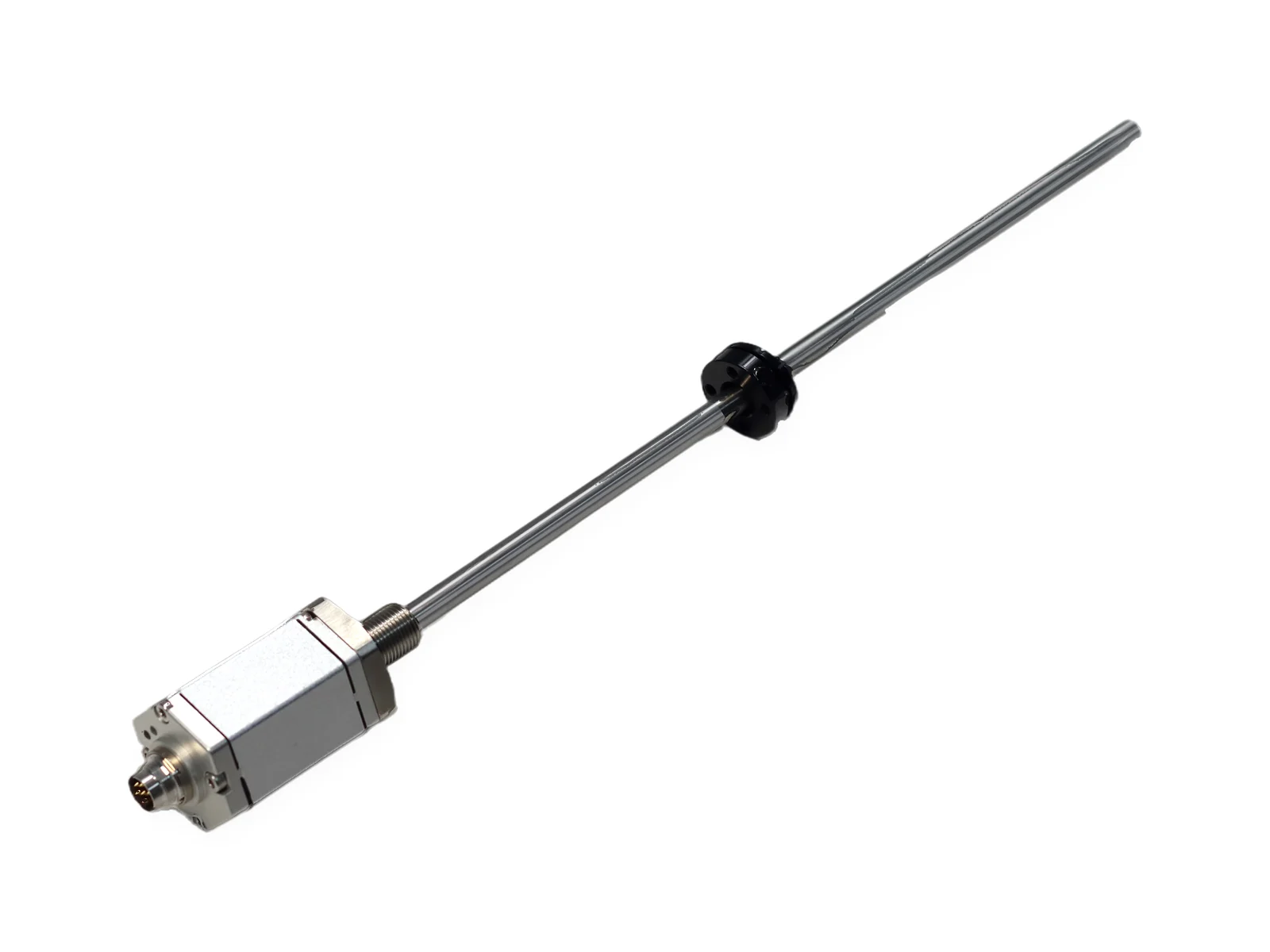 PositionWhat Is SSI Output on a Position Sensor?How the SSI clock and data word work, Gray code decoding, word length vs resolution, cable length limits and wiring.Read guide →
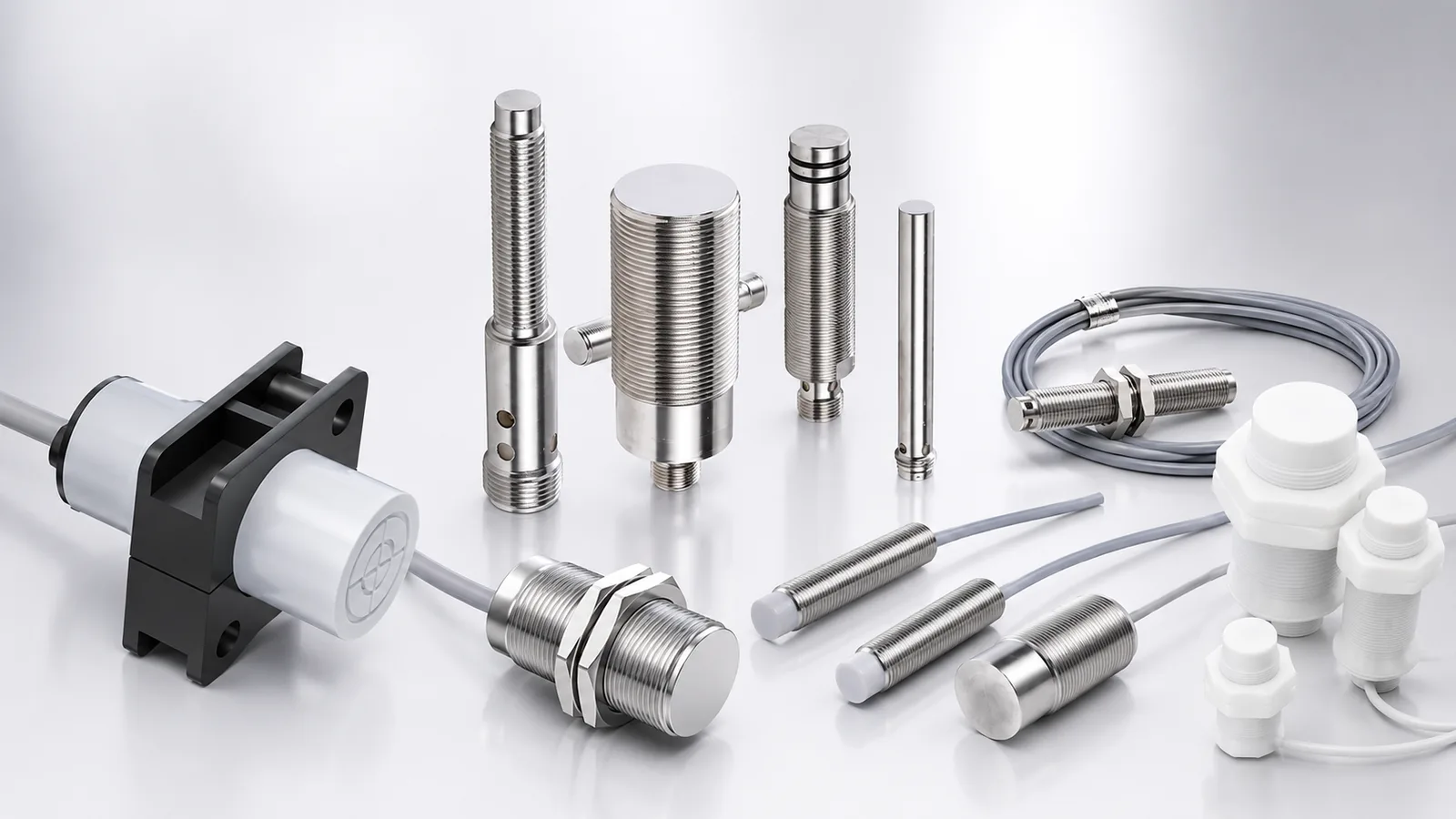 ProximityWhat Are the Types of Proximity Sensors?Inductive, capacitive, photoelectric, ultrasonic and magnetic sensors compared — principle, target, range and a selection flow.Read guide →
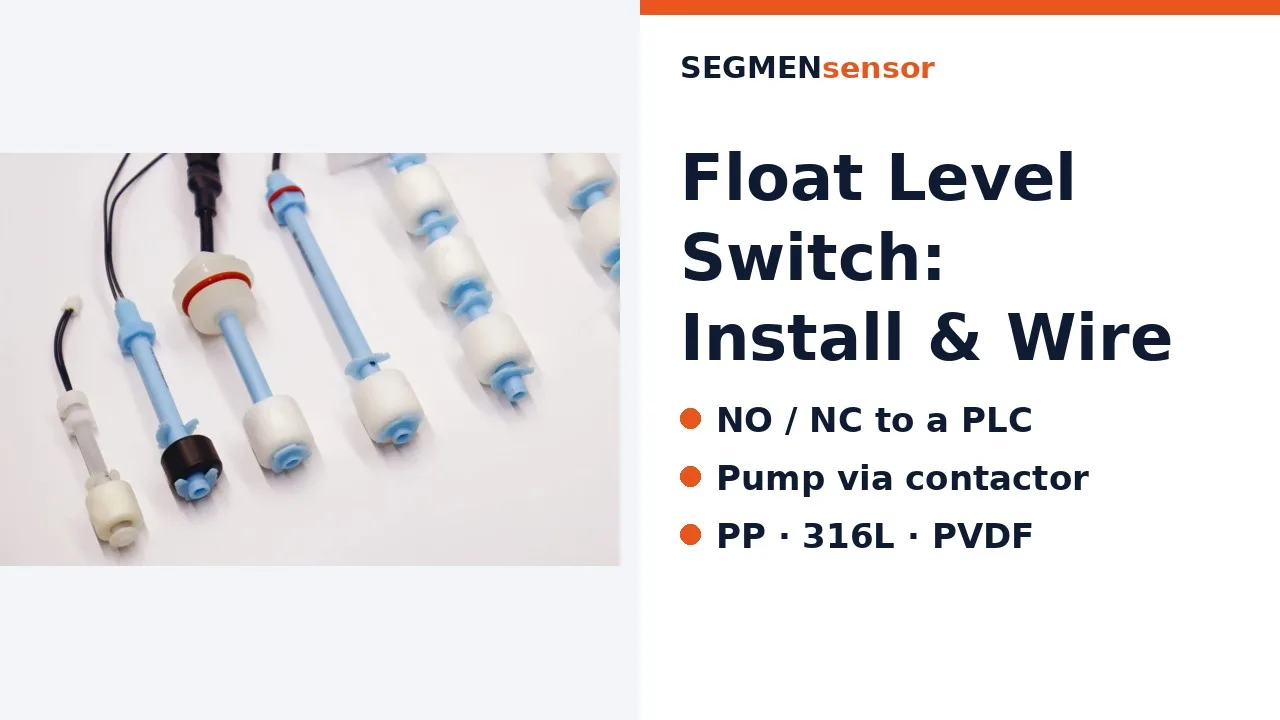 LevelFloat Switch vs Level Transmitter: Which to Choose?On/off point vs continuous 4–20 mA level, accuracy compared (±5 mm vs % FS), a worked example, wiring, fail-safe and when to use both.Read guide →
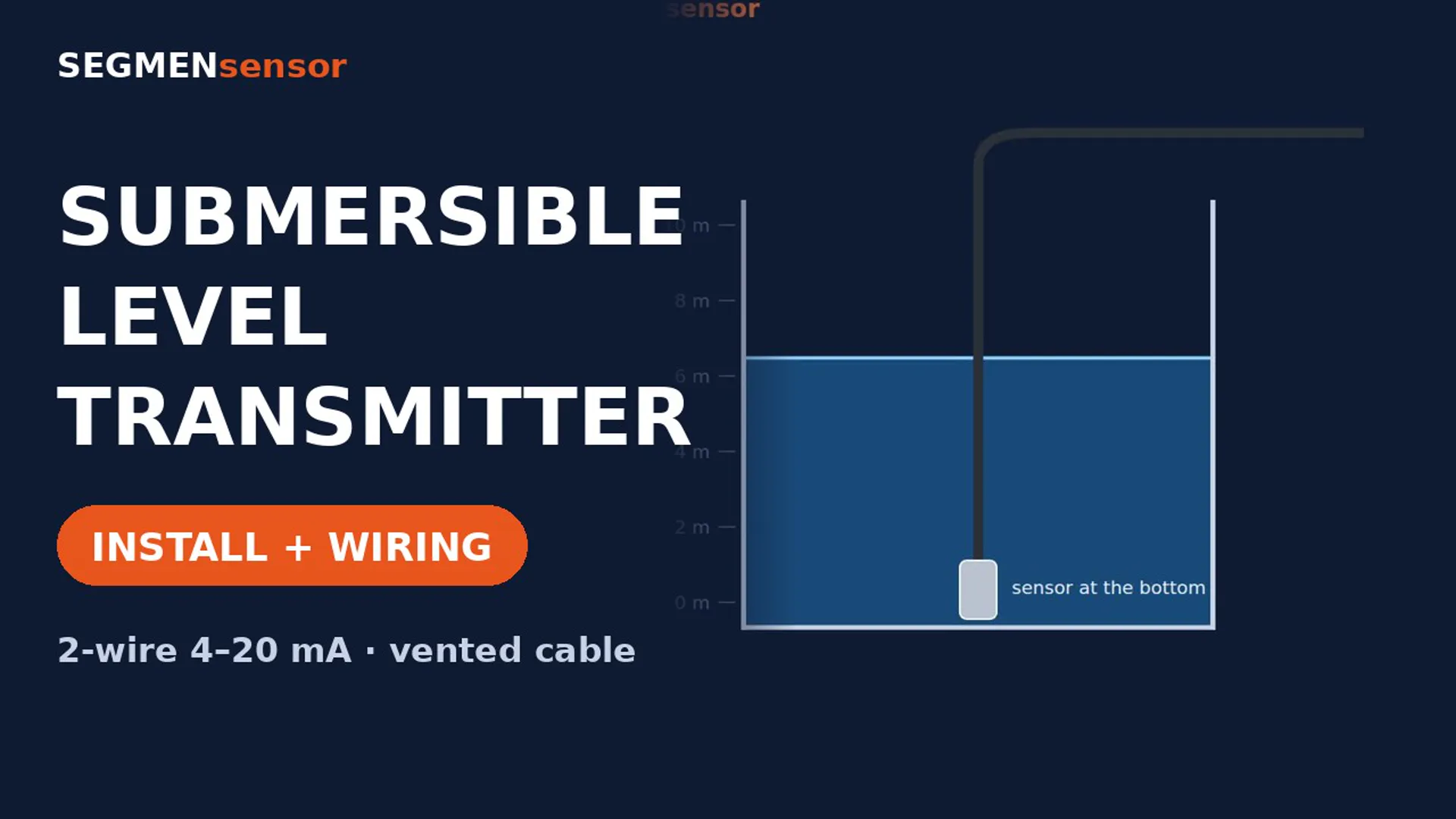 LevelWhy Does a Submersible Level Sensor Need a Vent Tube?How the vent tube cancels air pressure, 10.2 mm of error per mbar, vented vs absolute vs sealed, installation and drift troubleshooting.Read guide →
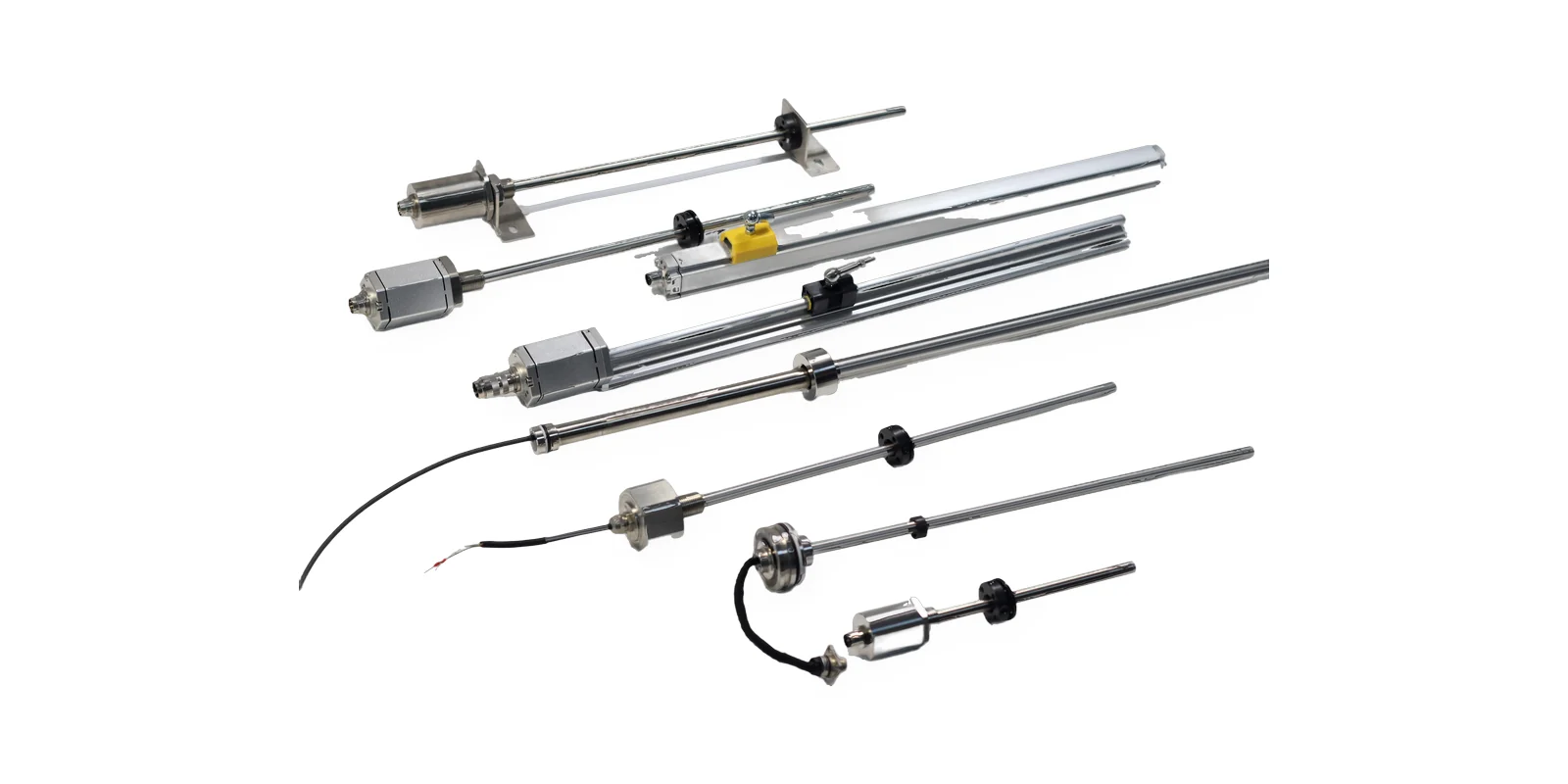 MagnetostrictiveWhat Is the Wiedemann Effect?Why a current-carrying wire twists in an axial field: diagram, H = I ÷ 2πr and x = v·t formulas, timing example and Joule / Villari / Matteucci comparison.Read guide →
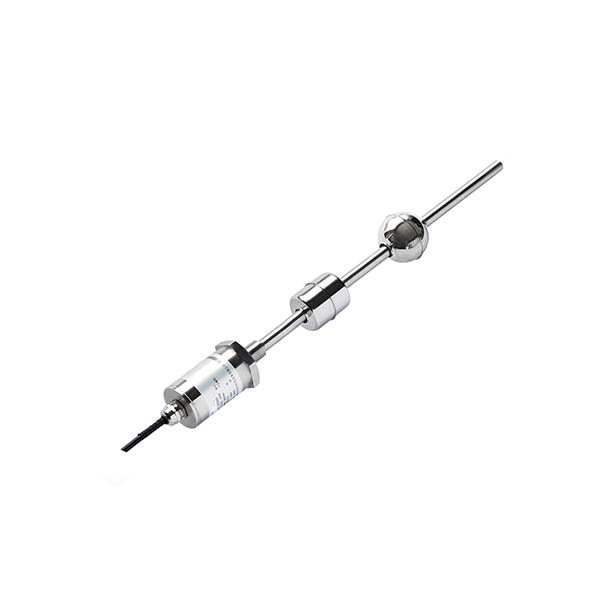 LevelHow Does a Magnetostrictive Level Transmitter Work?Pulse, Wiedemann twist and 2,830 m/s timing in three steps, level and interface floats, accuracy figures and a 25–8000 mm model selection table.Read guide →
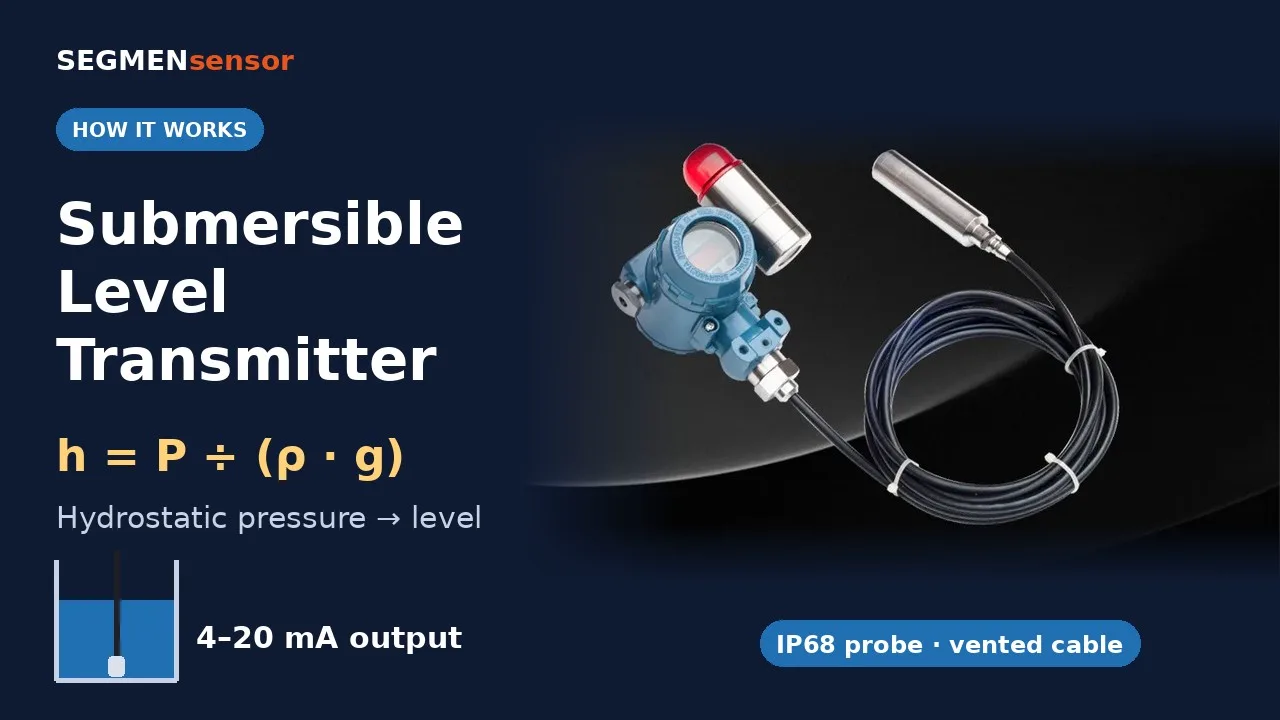 LevelWhat Is a Hydrostatic Level Sensor and How Does It Work?Level from bottom pressure (P = ρgh) in four steps: step diagram, 4–20 mA worked example, density error table and fixes for drift.Read guide →
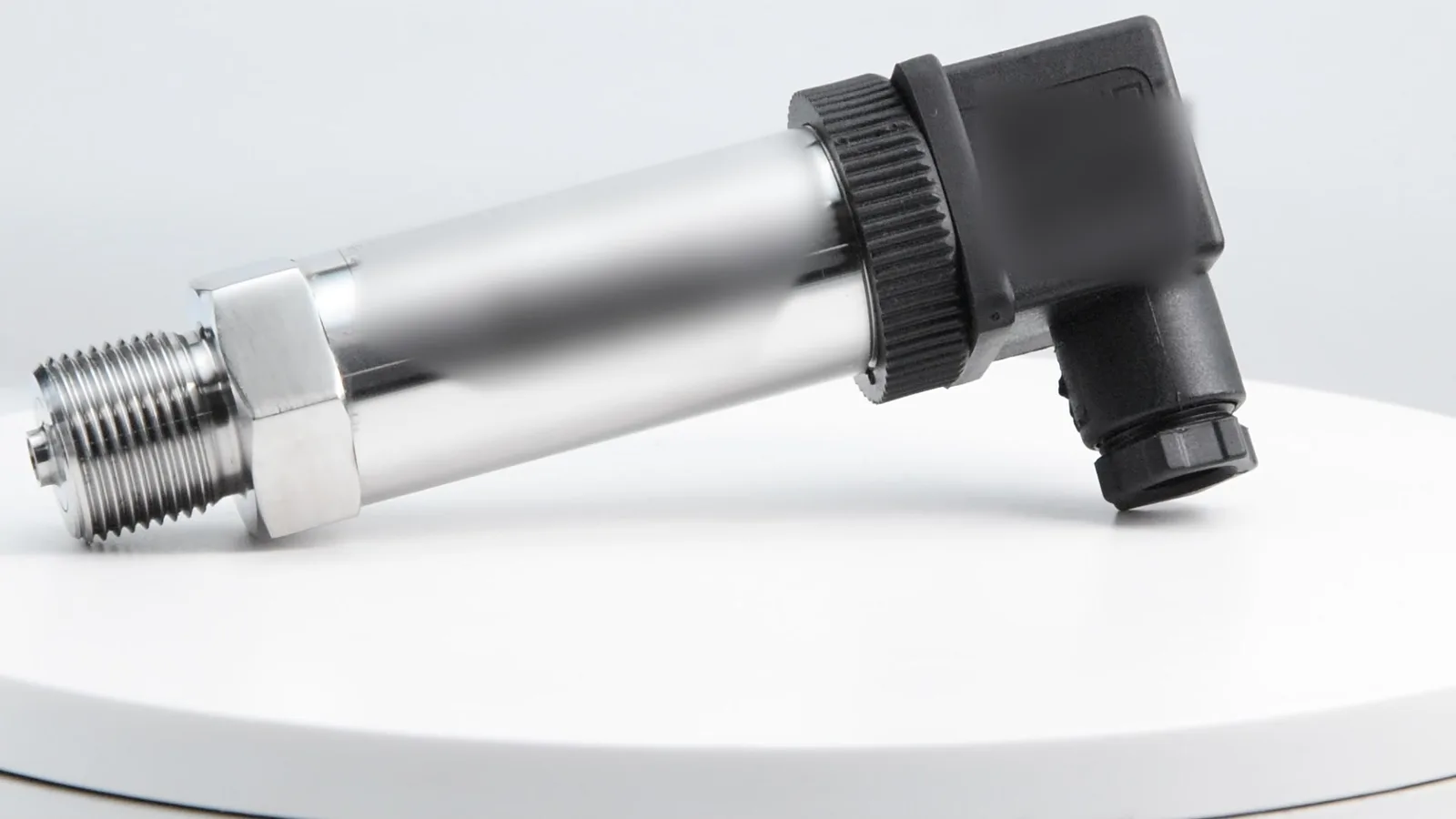 PressureWhat Is the Difference Between 2-Wire, 3-Wire and 4-Wire Transmitters?Loop-powered vs common 0 V vs separate pairs: wiring diagram, comparison table, loop-resistance example and which PLC input each type needs.Read guide →
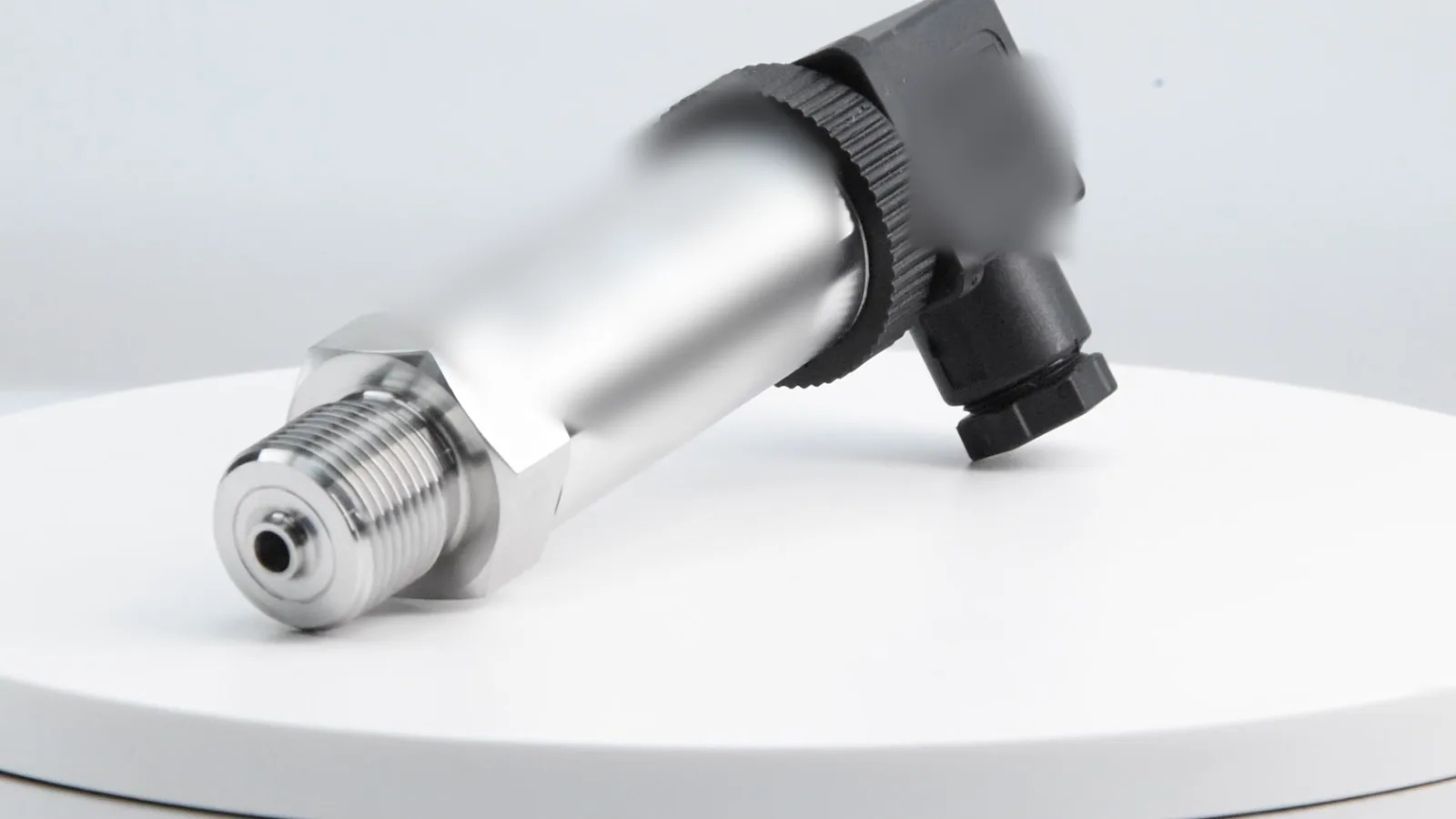 PressureWhat Is a Pressure Snubber and When Do You Need One?How a snubber damps pump pulsation and water hammer: low-pass formula, worked example, snubber types, when to avoid one and installation steps.Read guide →
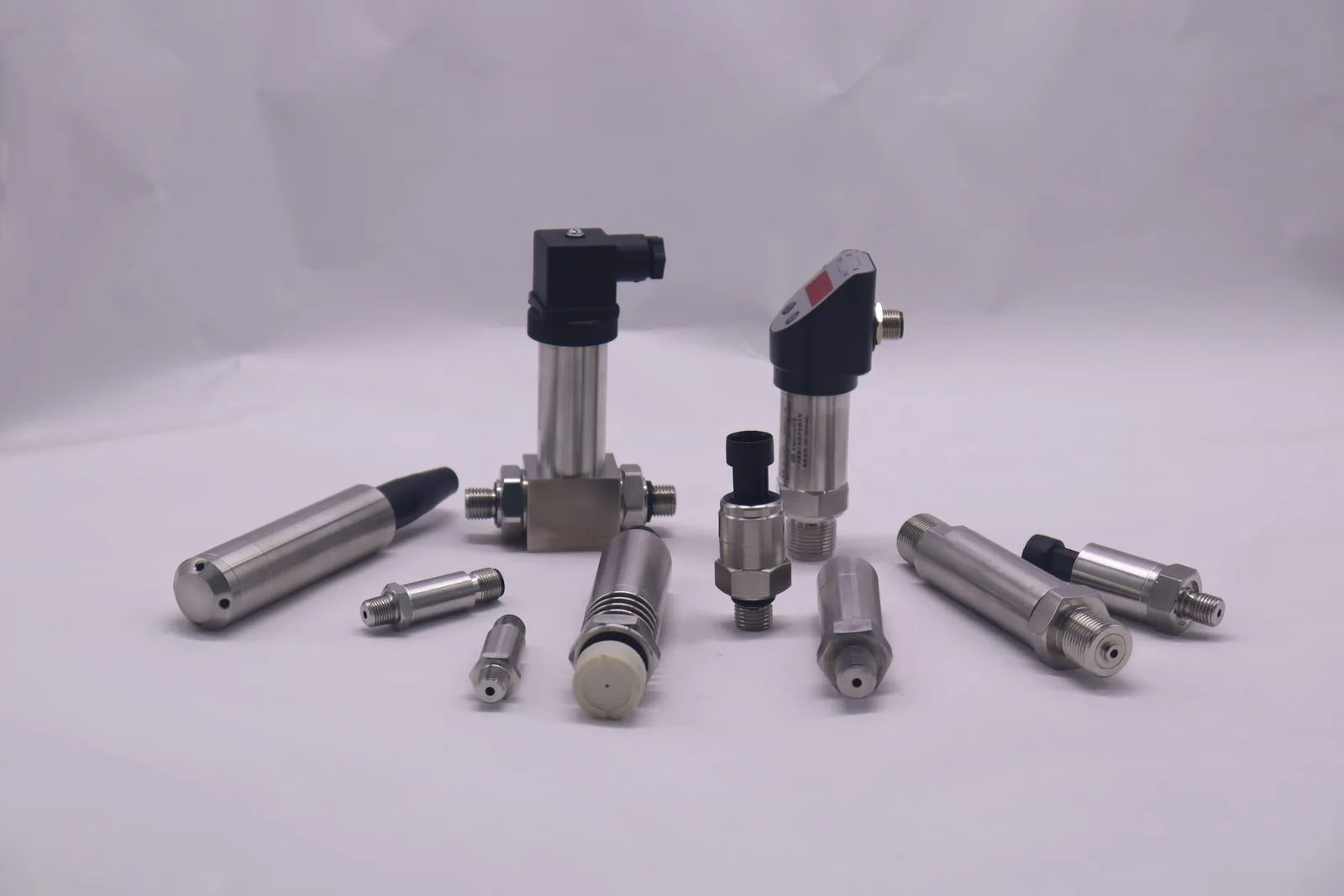 PressureOverpressure vs Burst Pressure on a Pressure SensorProof vs burst limits, the overload formula P = k × FS, a water-hammer spike example and what overpressure does to the reading.Read guide →
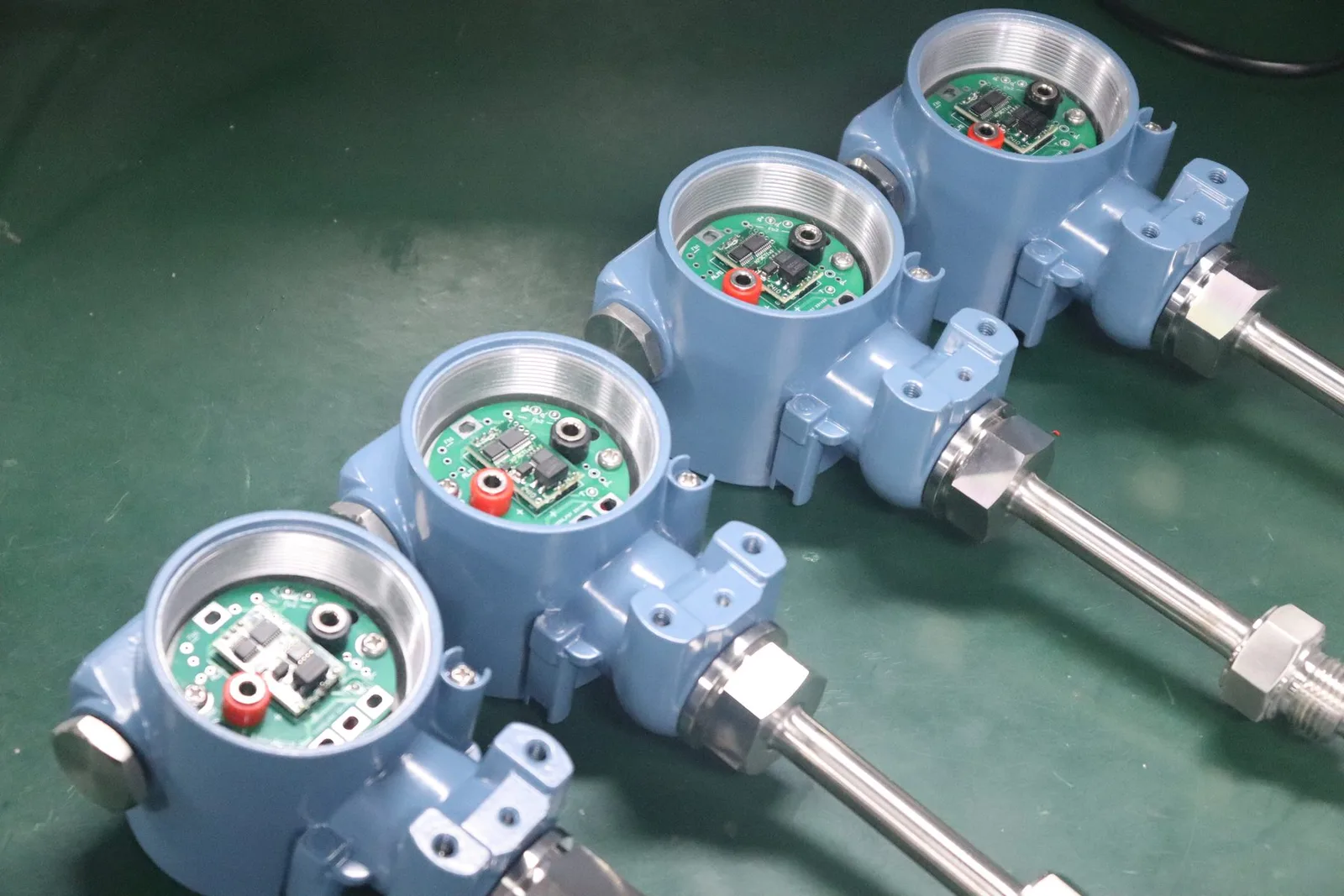 PressureHow Do You Calibrate a Pressure Transducer?Reference gauge, 5-point up/down test, the 4–20 mA error formula, a worked as-found/as-left example and zero vs span diagnosis.Read guide →
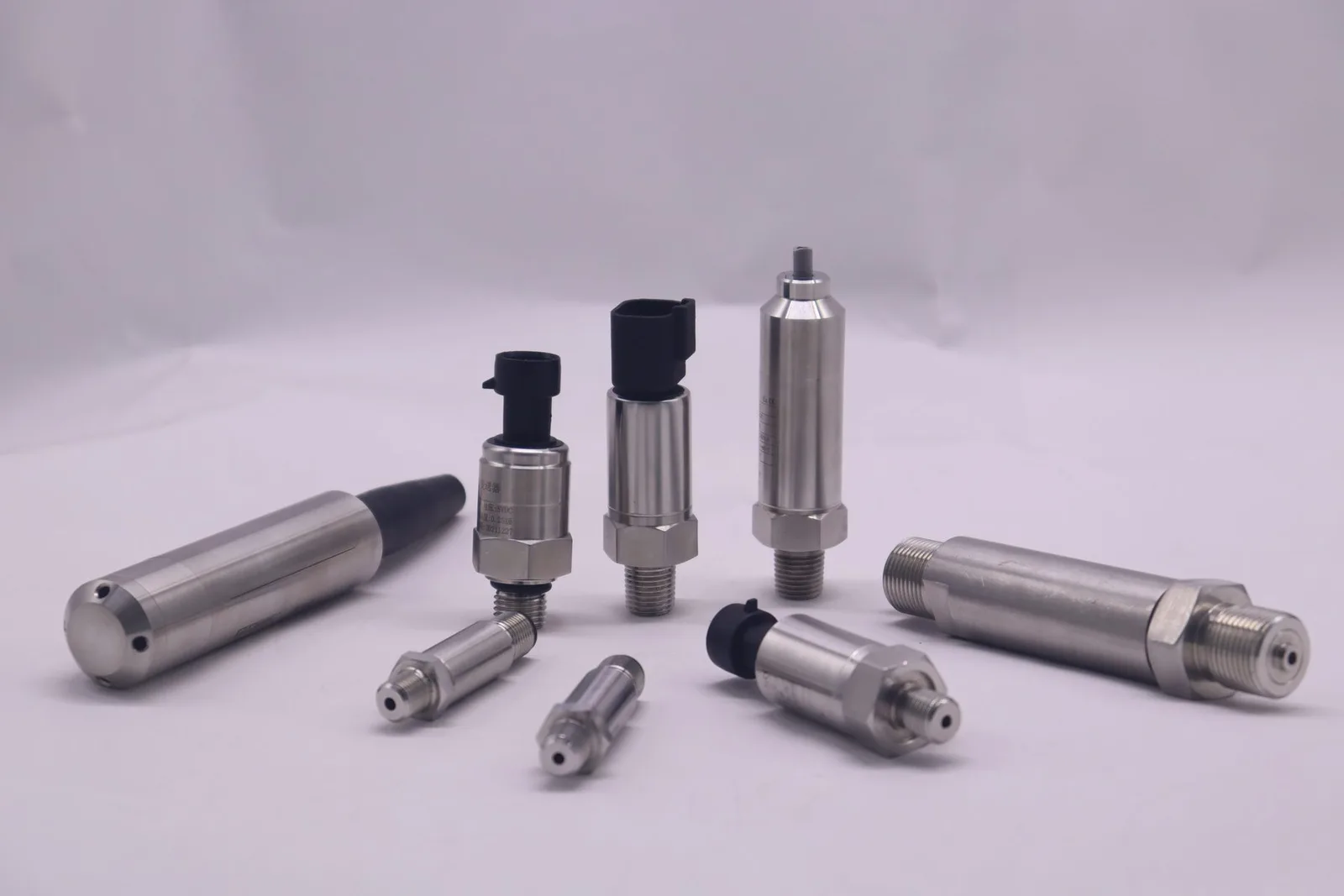 PressurePressure Transmitter Accuracy: % FS vs % of ReadingWhat ±0.25% FS really means at your operating point: conversion formula, 0–10 bar error table, range sizing and total error.Read guide →
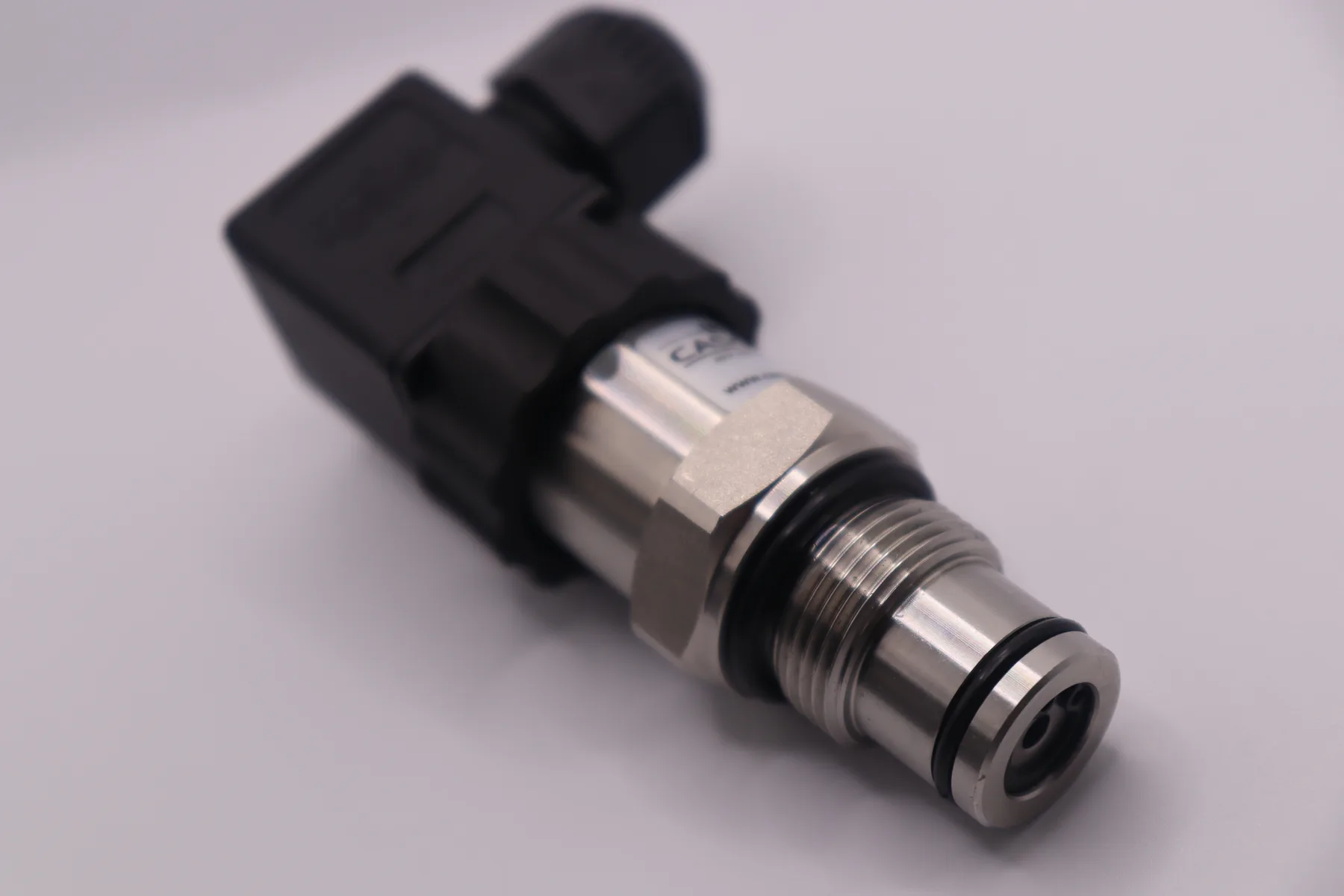 PressureGauge vs Absolute vs Sealed Gauge PressureThree pressure references explained: conversion formulas, reference diagram, altitude offset table and when a sealed gauge sensor is accurate enough.Read guide →
PressurePressure Transducer vs Pressure TransmittermV or voltage output vs conditioned 4–20 mA loop: signal-chain diagram, formulas, cable-length example and comparison table.Read guide →
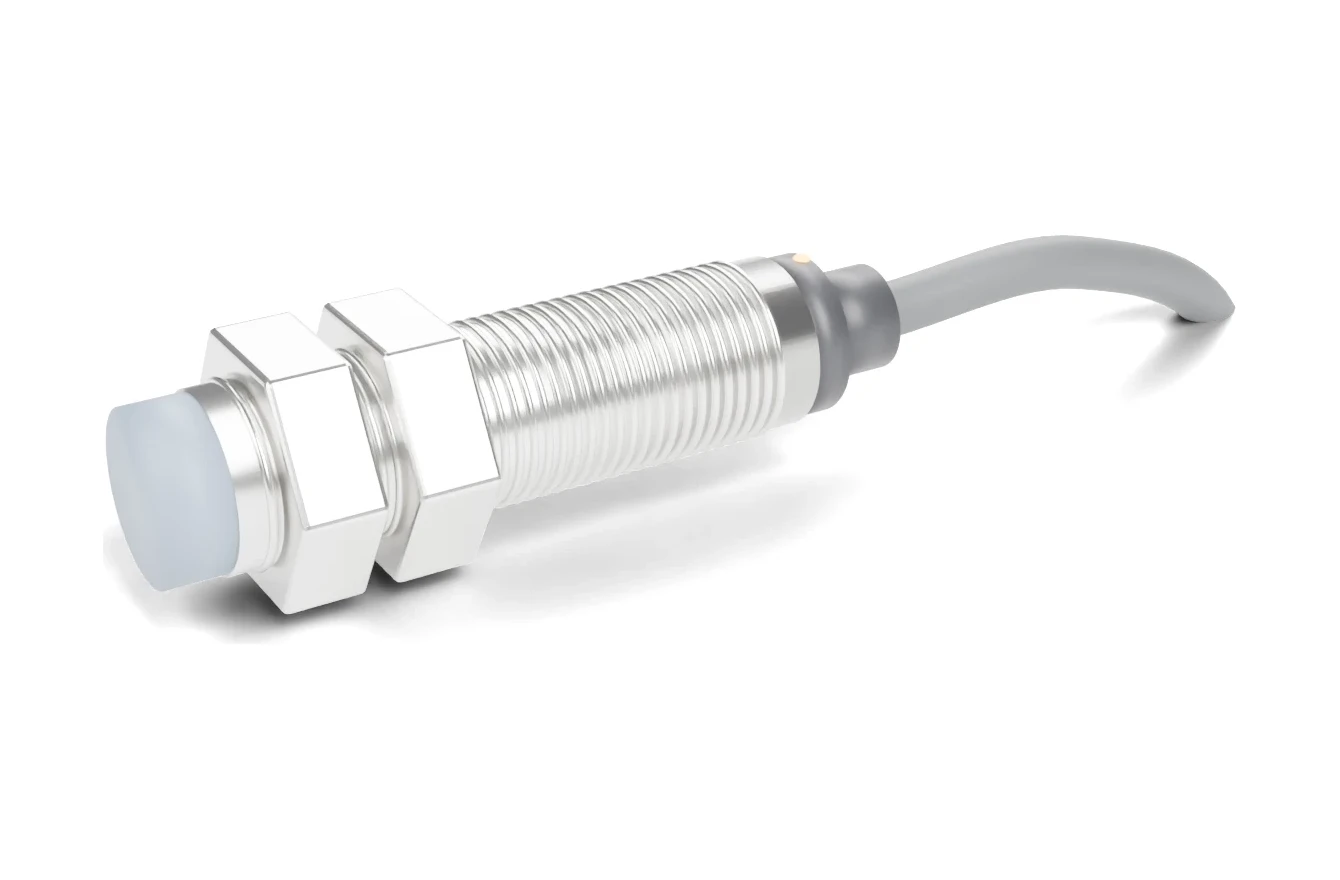 ProximityFlush vs Non-Flush Proximity Sensor: What Is the Difference?Shielded vs unshielded construction, sensing distance by size from M8 to M30, a 0.81 × Sn worked example and how to choose and mount each type.Read guide →
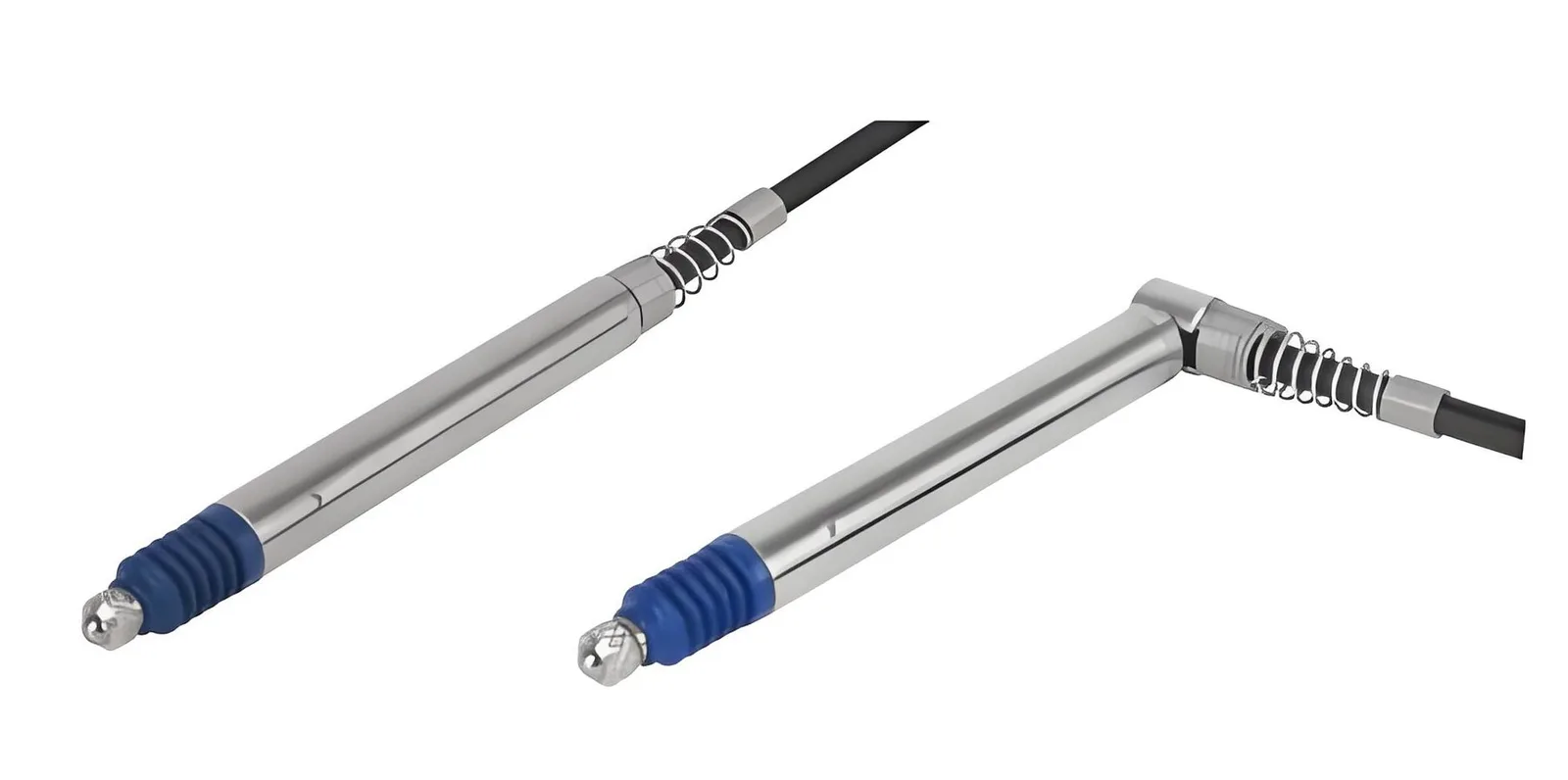 LVDTWhat Is an LVDT Signal Conditioner? AC vs DC LVDT ElectronicsHow LVDT conditioning electronics excite at 1–10 kHz, demodulate and output 4–20 mA, 0–10 V or RS485, and when to choose an AC or DC LVDT.Read guide →
PressureElectrolyzer & Hydrogen Storage: Pressure and Level SensorsWhich pressure and level points an electrolyzer needs, what to specify for each, 0–400 bar transmitters, separator level sensors and ATEX/IECEx options.Read guide →
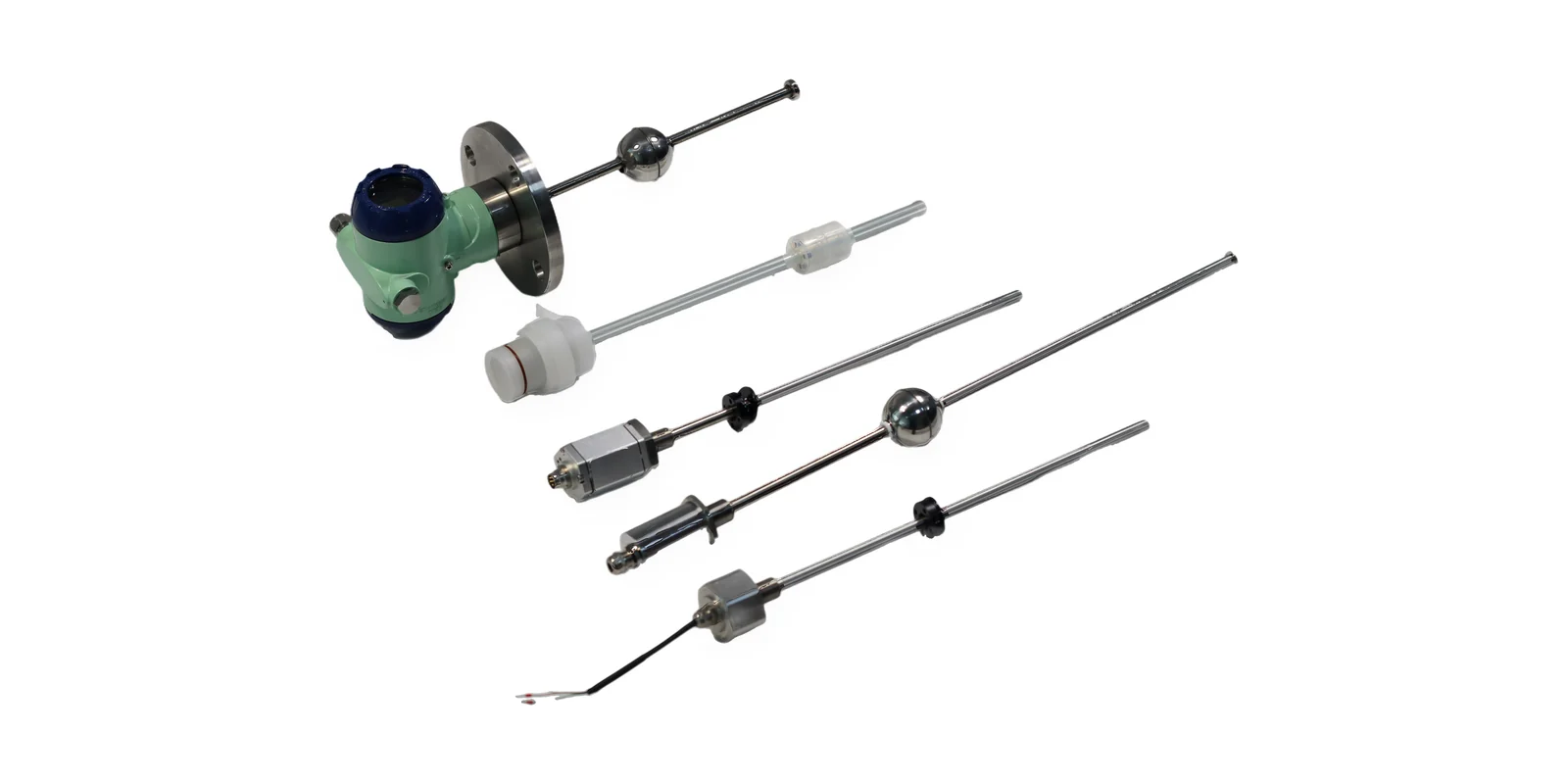 LevelOil Level Sensor Selection GuideFloat, magnetostrictive and hydrostatic oil level sensors for hydraulic, lube and fuel tanks — how oil density affects readings, selection table and specs.Read guide →
LevelTank Level Sensor Supplier for AustraliaFloat, IP68 submersible 4-20 mA, ultrasonic and magnetostrictive tank level sensors for Australian water, diesel and process tanks — selection table, specs and OEM terms.Read guide →
PositionWhat Is RS485 Modbus RTU? Wiring and Registers for Industrial SensorsRS485 vs Modbus RTU, daisy-chain wiring with 120 Ω termination, frame format, function codes 03/04/06/16, register word order and troubleshooting.Read guide →
PressureWhat Is HART Protocol? HART on a 4-20 mA TransmitterHow the 1200 bit/s HART signal rides on a 4–20 mA loop: 250 Ω rule, wiring diagram, multidrop limits and HART vs RS485.Read guide →
PressurePressure Switch vs Pressure TransmitterOn/off set point vs continuous 4–20 mA signal: comparison table, diagram and selection steps.Read guide →
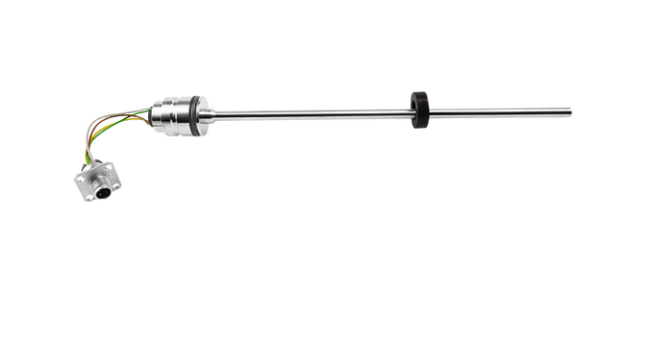
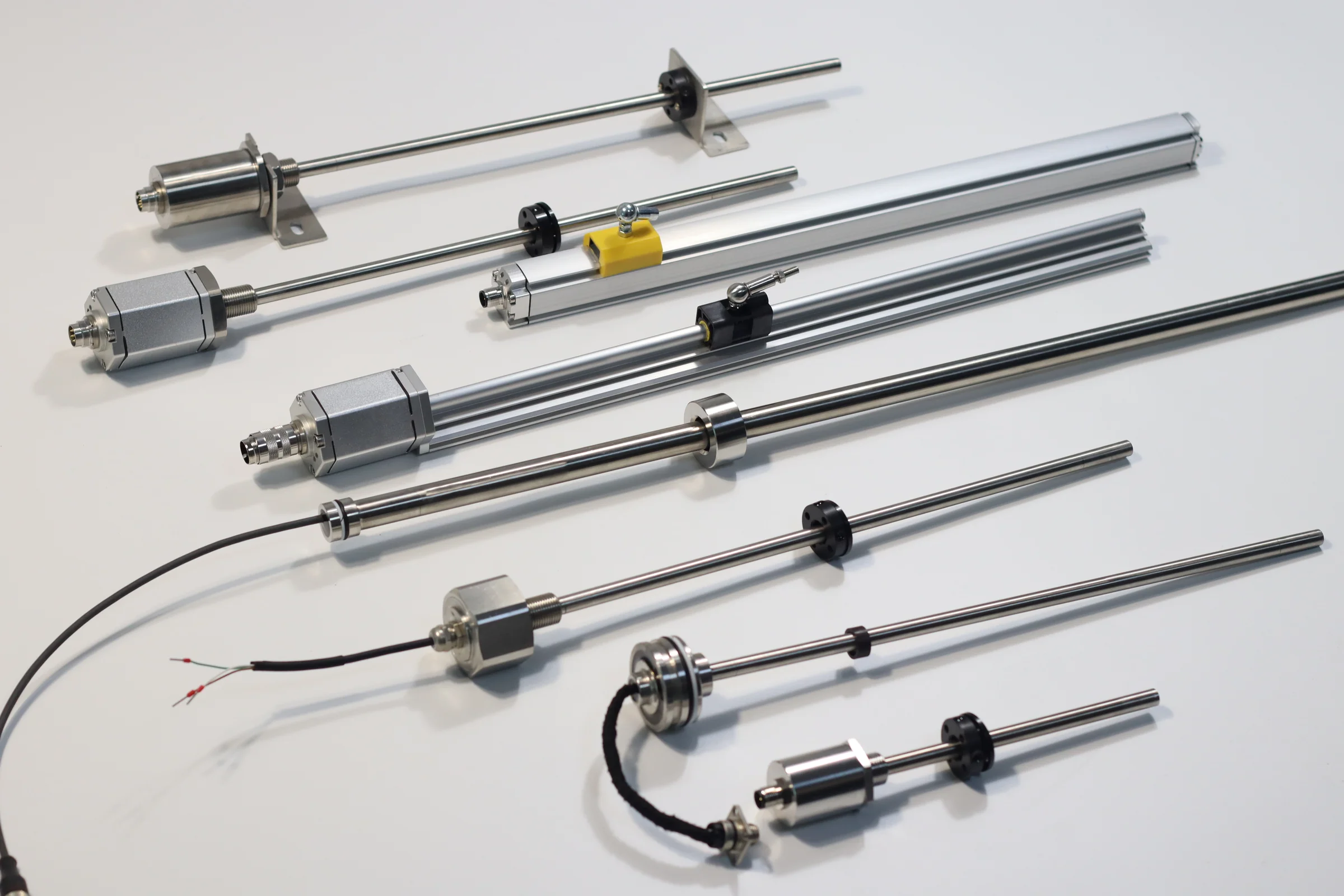
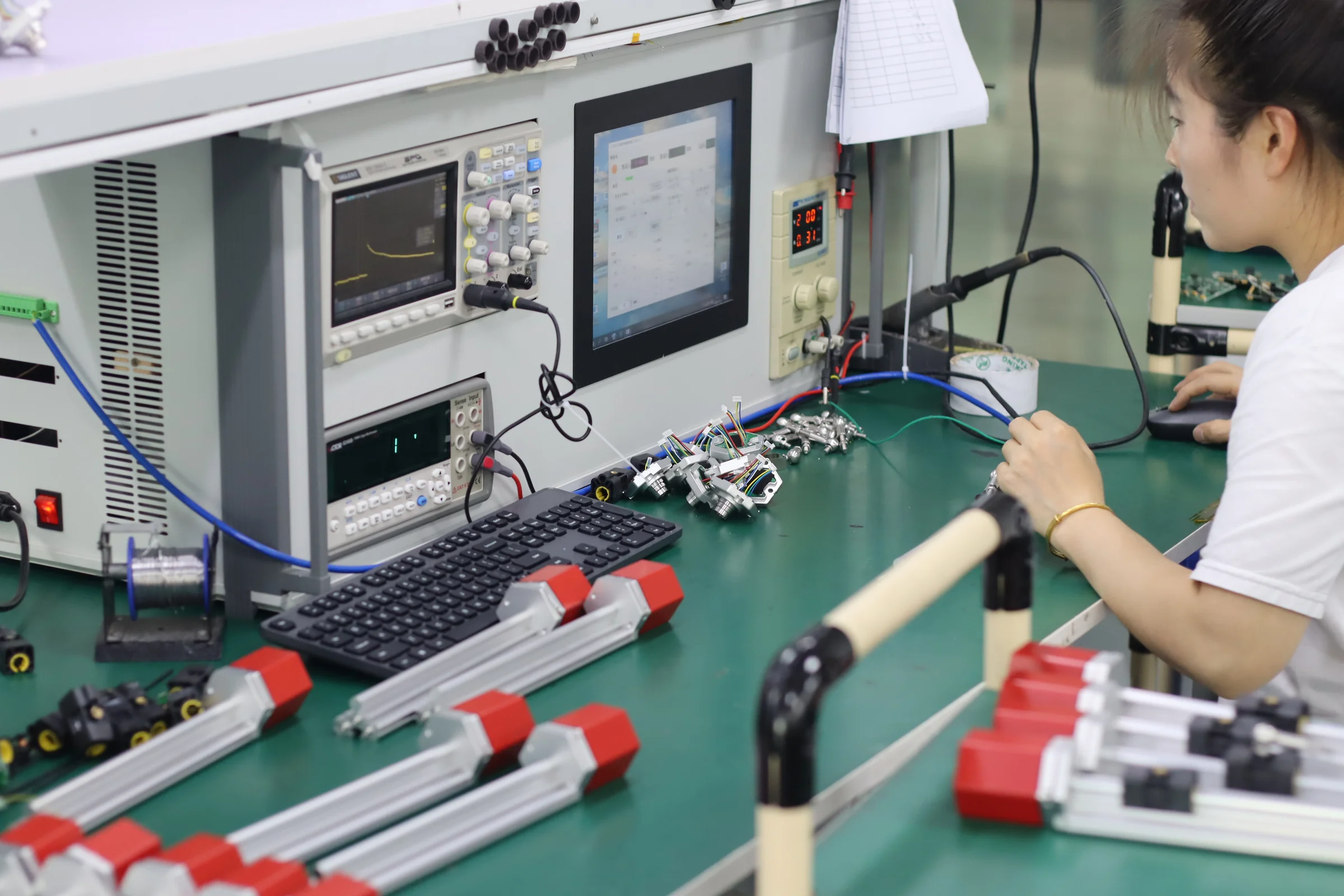
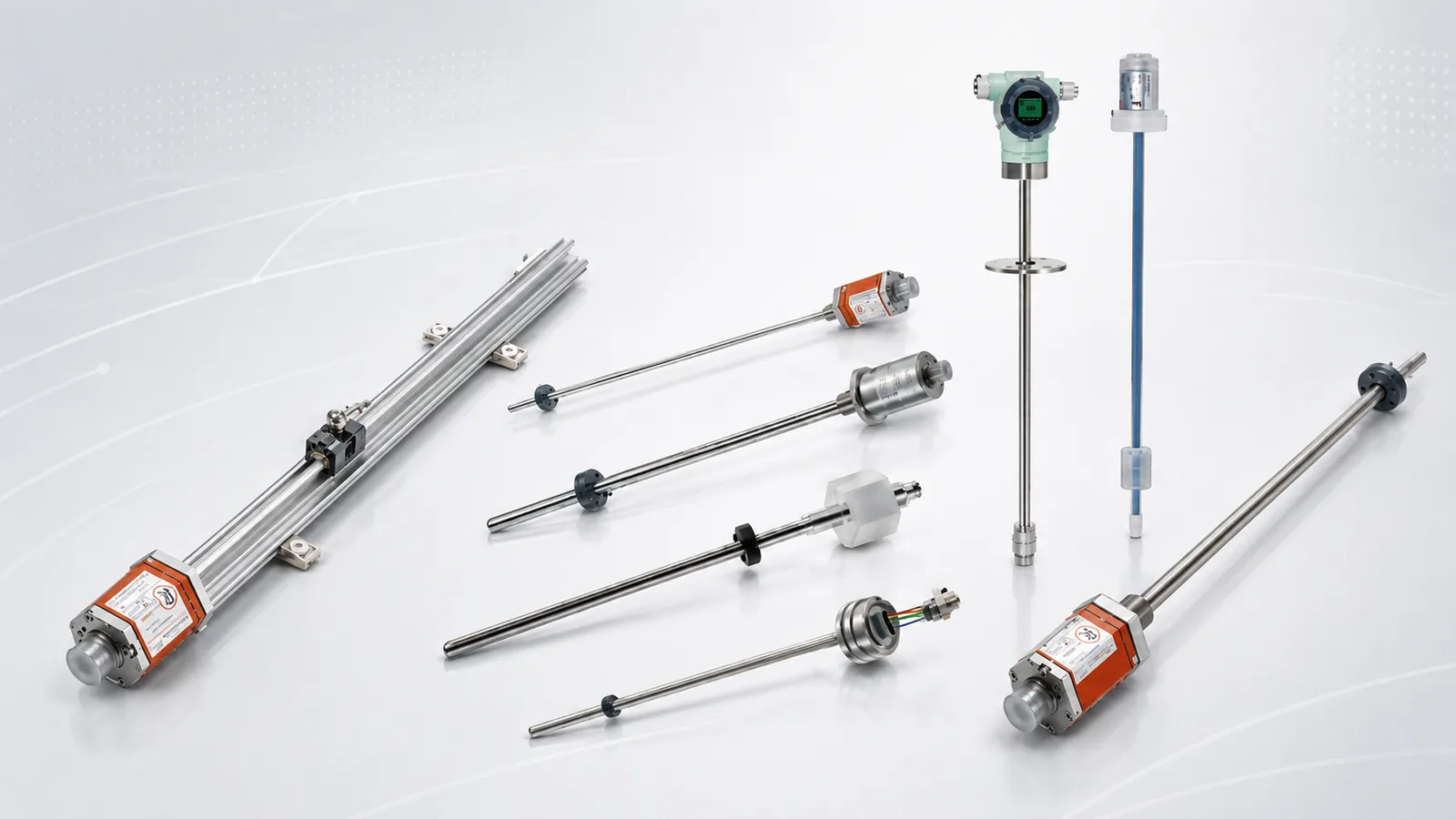 PositionMagnetostrictive Linear Position Sensor Manufacturer: 25–8000 mm Stroke, SSI / 4-20 mA / RS485What SEGMENsensor manufactures in rod, in-cylinder (350 bar) and liquid-level configurations, full spec table, output-signal selection, a manufacturer qualification checklist and OEM terms: OEM volume supply, samples in 5–7 days.Read guide →
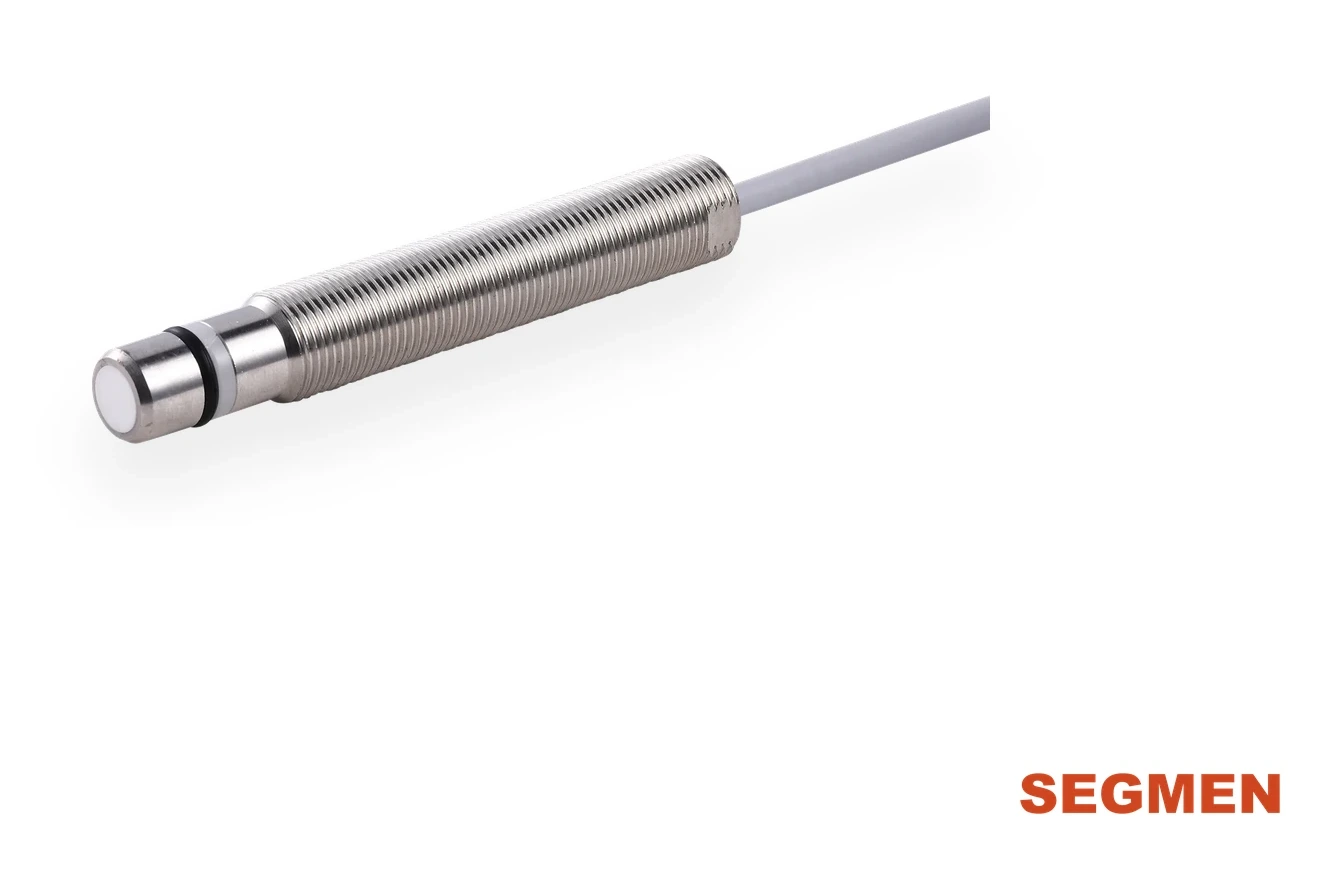
ProximityInductive Proximity Sensor Manufacturer & OEM Supplier: M8/M12/M18/M30 Options, MOQ and Lead TimeThree-step selection method, full M8–M30 spec table, common selection mistakes, the six parameters to send for a quote, and OEM terms: OEM volume supply, samples in 5–7 days, production lead time confirmed with the quotation.Read guide →
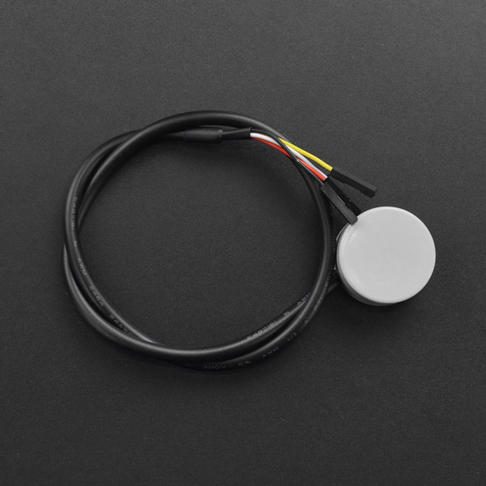 LevelCoolant Level Sensors for Liquid-Cooled BESS & Data Center CDUsNon-contact ultrasonic, float and hydrostatic options for cooling-loop reservoirs: 25–1200 mm range, 4-20 mA + relay alarms, glycol and dielectric coolant compatibility, OEM terms.Read guide →
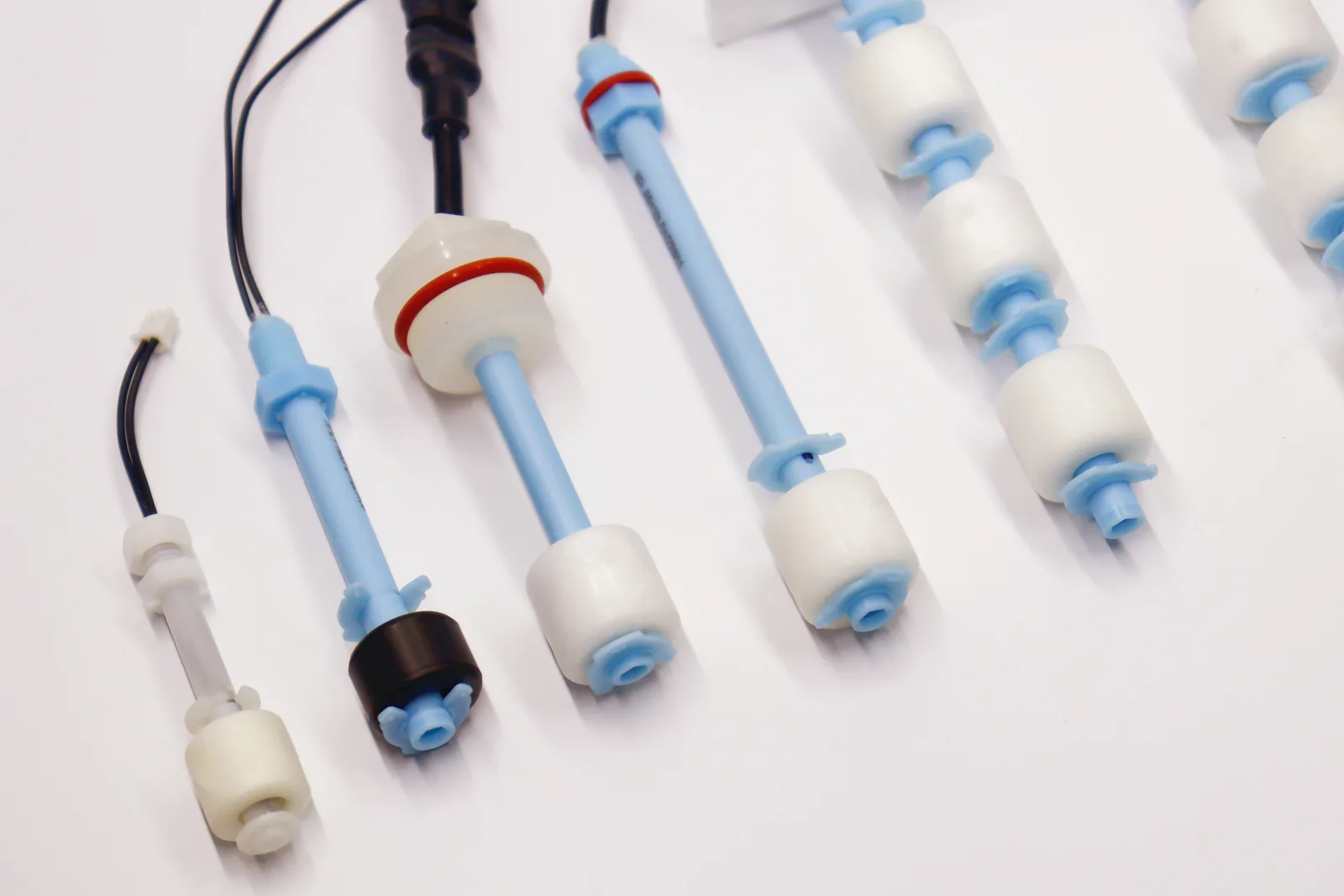 LevelHow to Choose a Liquid Level Sensor: 5 Technologies ComparedFloat, hydrostatic, ultrasonic, magnetostrictive and capacitive level sensors compared — accuracy, contact, media, and a selection guide.Read guide →
LevelCDU Liquid Cooling Sensors GuideSelecting level, flow and pressure sensors for CDU liquid cooling systems — magnetostrictive, ultrasonic flow and differential pressure.Read guide →
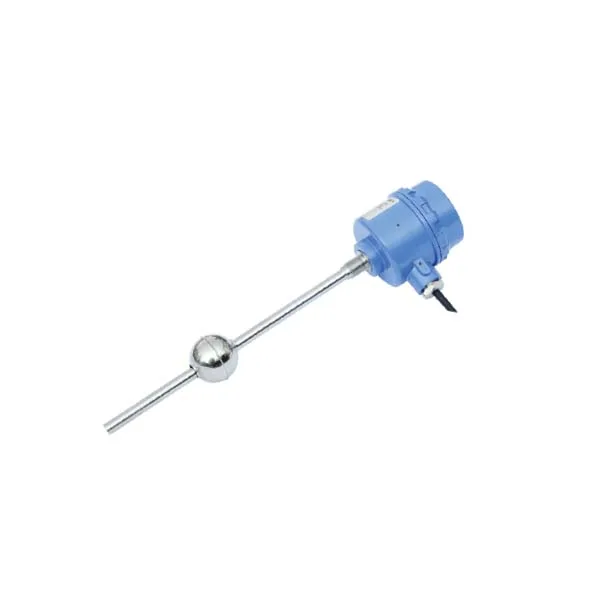 LevelFloat Level Switch Selection GuideVertical vs horizontal mounting, reed vs magnetic, materials and certifications for float level switches.Read guide →
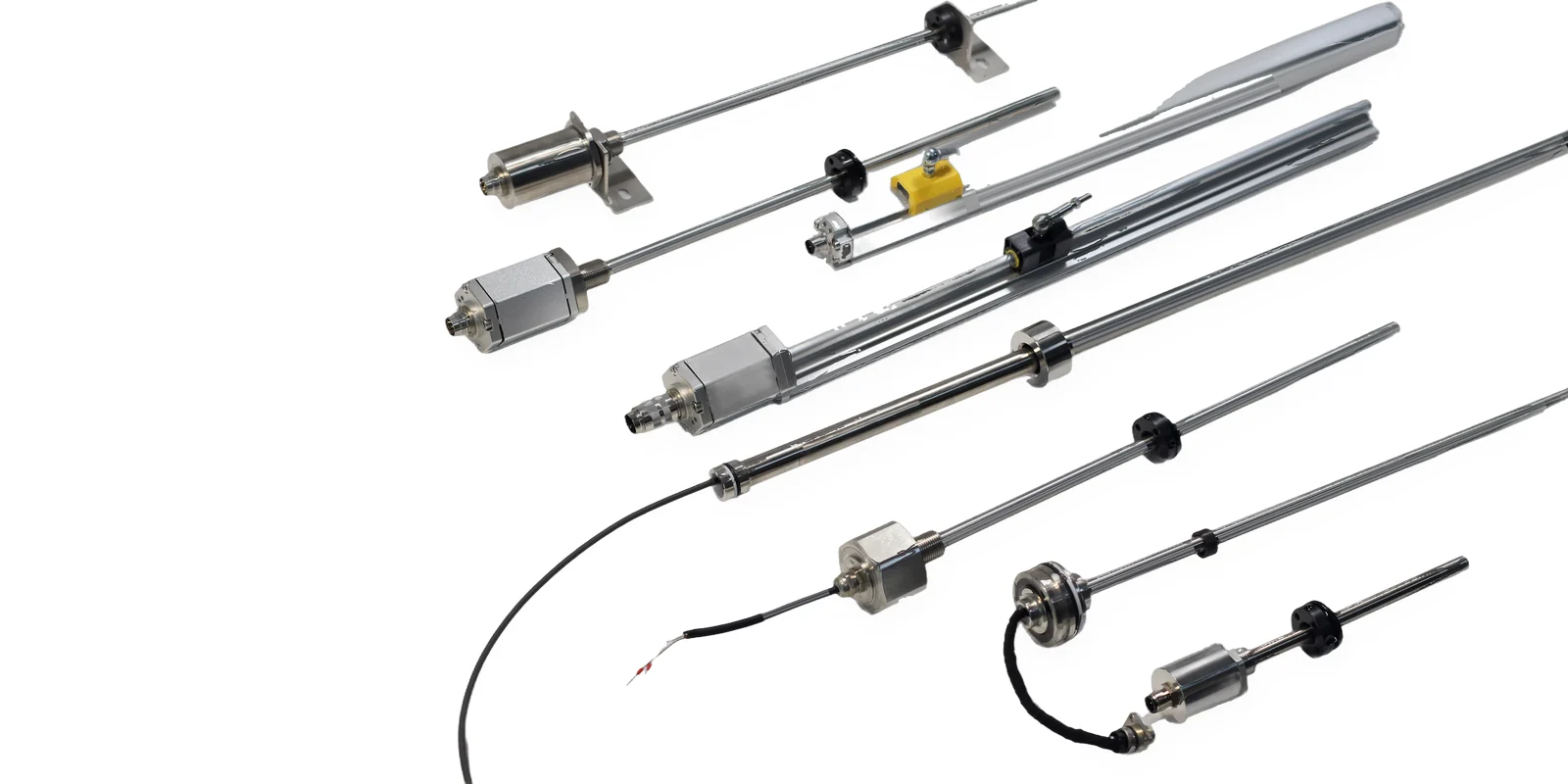 PositionLVDT vs Magnetostrictive SensorAccuracy, stroke range, cost and application comparison — which linear position sensor is right for your project.Read guide →
PositionWhat Is an LVDT Sensor? Working Principle & TypesHow Linear Variable Differential Transformers work, types, accuracy specs, and how to select the right LVDT.Read guide →
PositionMagnetostrictive Position Sensor Lead Time, MOQ & OEM Quotation TermsSamples in 5–7 days, production lead time confirmed with the quotation, OEM volume supply — and the six variables that determine the quotation for a 25–8000 mm sensor.Read guide →
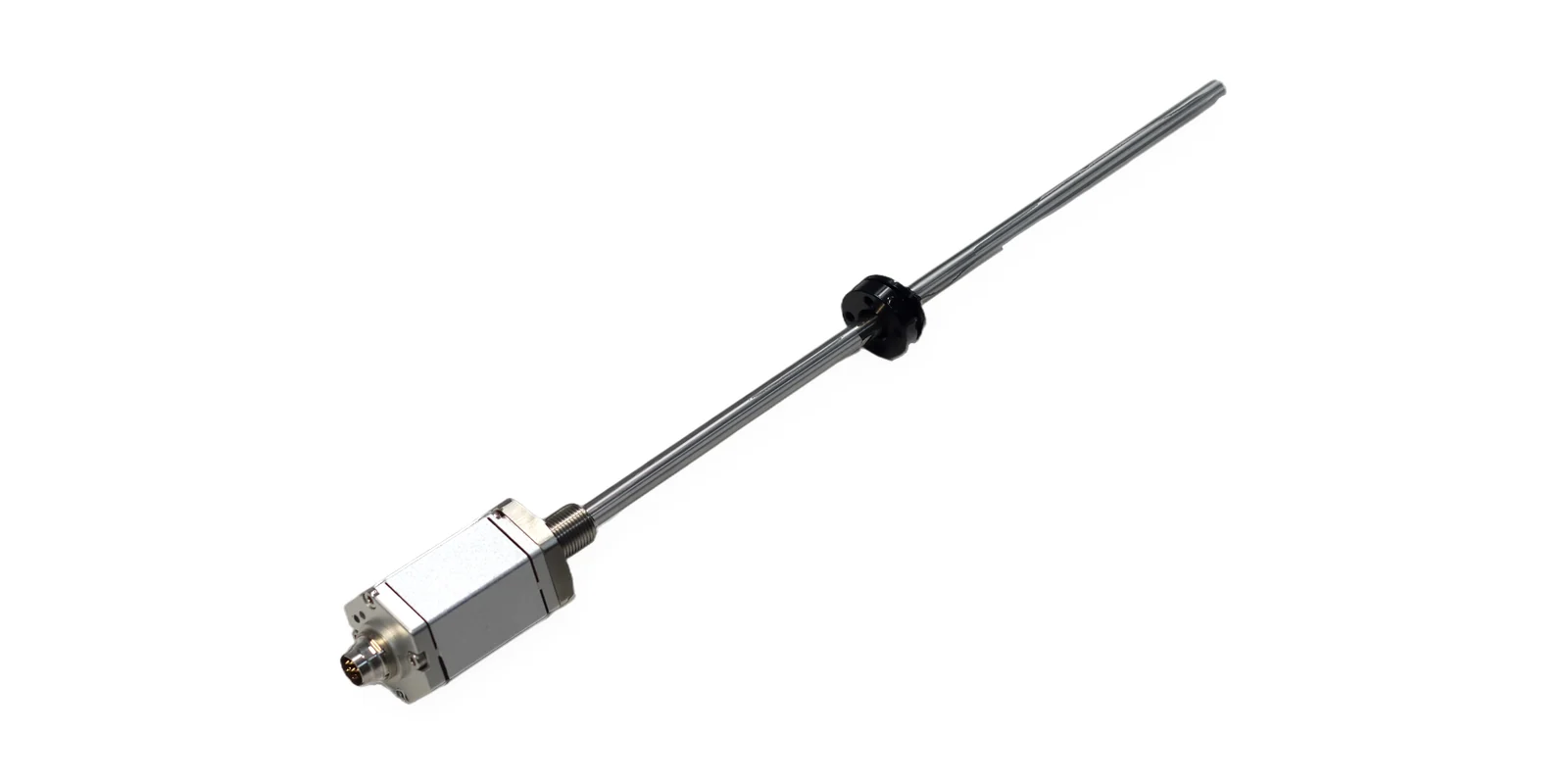 PositionHow Does a Magnetostrictive Position Sensor Work?The torsional-wave principle behind sub-millimetre, non-contact magnetostrictive position measurement.Read guide →
Pressure4-20 mA Pressure Transmitter: Ranges, Accuracy & OEM Selection GuideRange (0–0.1 to 0–400 bar), ±0.25% / ±0.1% FS accuracy, loop supply, process connection, materials, IP68 and ATEX — the seven decisions that specify a transmitter.Read guide →
PressureGauge vs Absolute vs Differential Pressure TransmitterWhich pressure reference to order: decision table, typical uses, common mistakes and specs from 0–0.1 to 0–400 bar.Read guide →
PressurePressure Transducer Supplier for Australia: 4-20 mA, 0–400 bar, OEM programs, samples 1–5 pcs in 5–7 daysBSPP vs NPT threads, IP67/IP68, IECEx option and factory-direct OEM terms for Australian pump, water, mining and HVAC sites.Read guide →
Pressure4-20mA Pressure Transmitter Wiring Guide for PLCs2-wire loop-powered vs 3-wire, burden-resistor calculation and PLC input wiring.Read guide →
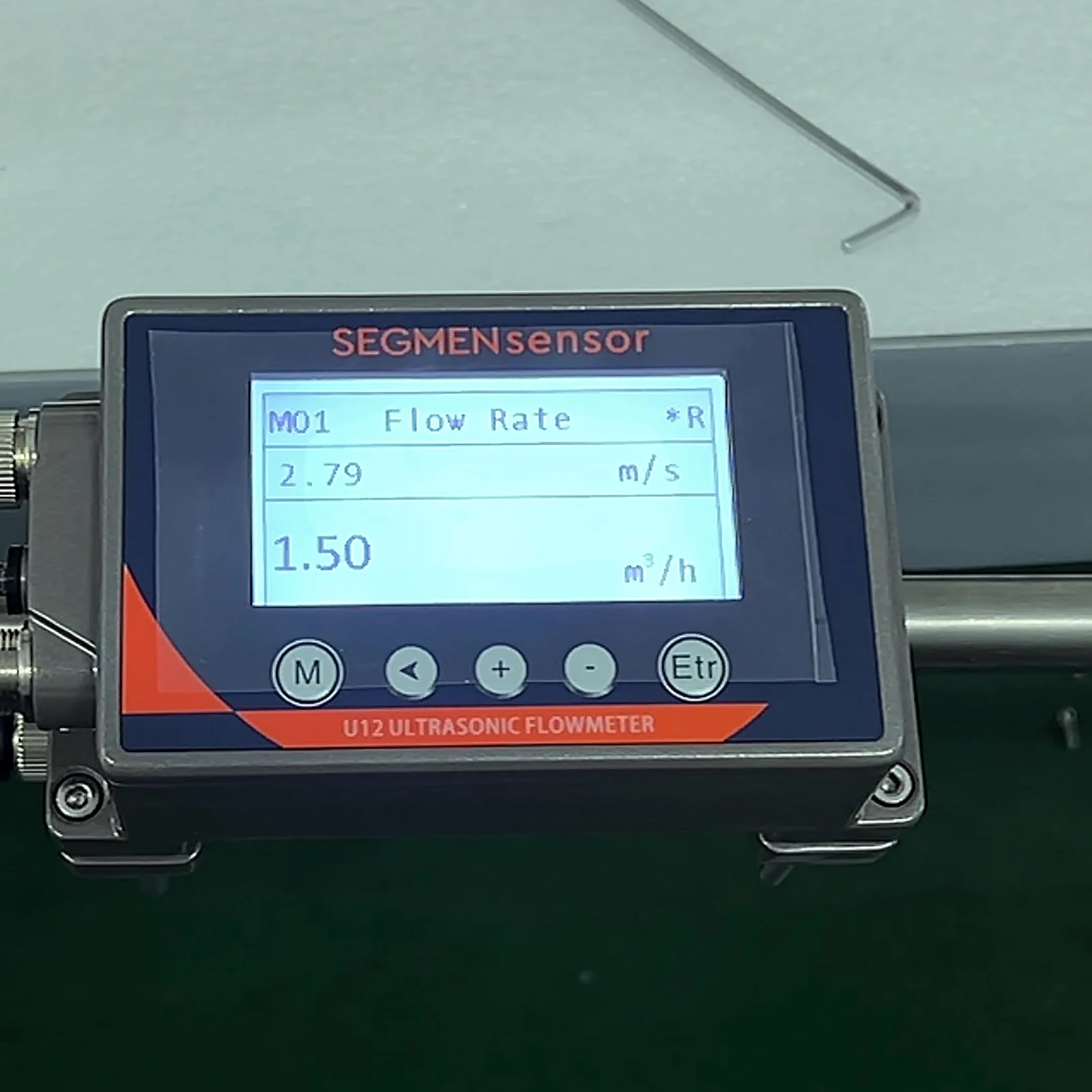 CalculatorFlow Rate Unit Converter: GPM to m³/h, L/min and L/s1 US gpm = 0.227125 m³/h: exact NIST factors, US vs UK gallons, CFM and m³/day, plus U12/U13 flow ranges converted to m³/h and gpm.Open calculator →
Calculator4–20 mA Loop Resistance & Cable Length CalculatorMaximum loop resistance, minimum supply voltage and how long a 4–20 mA cable can be, by mm² or AWG.Open calculator →
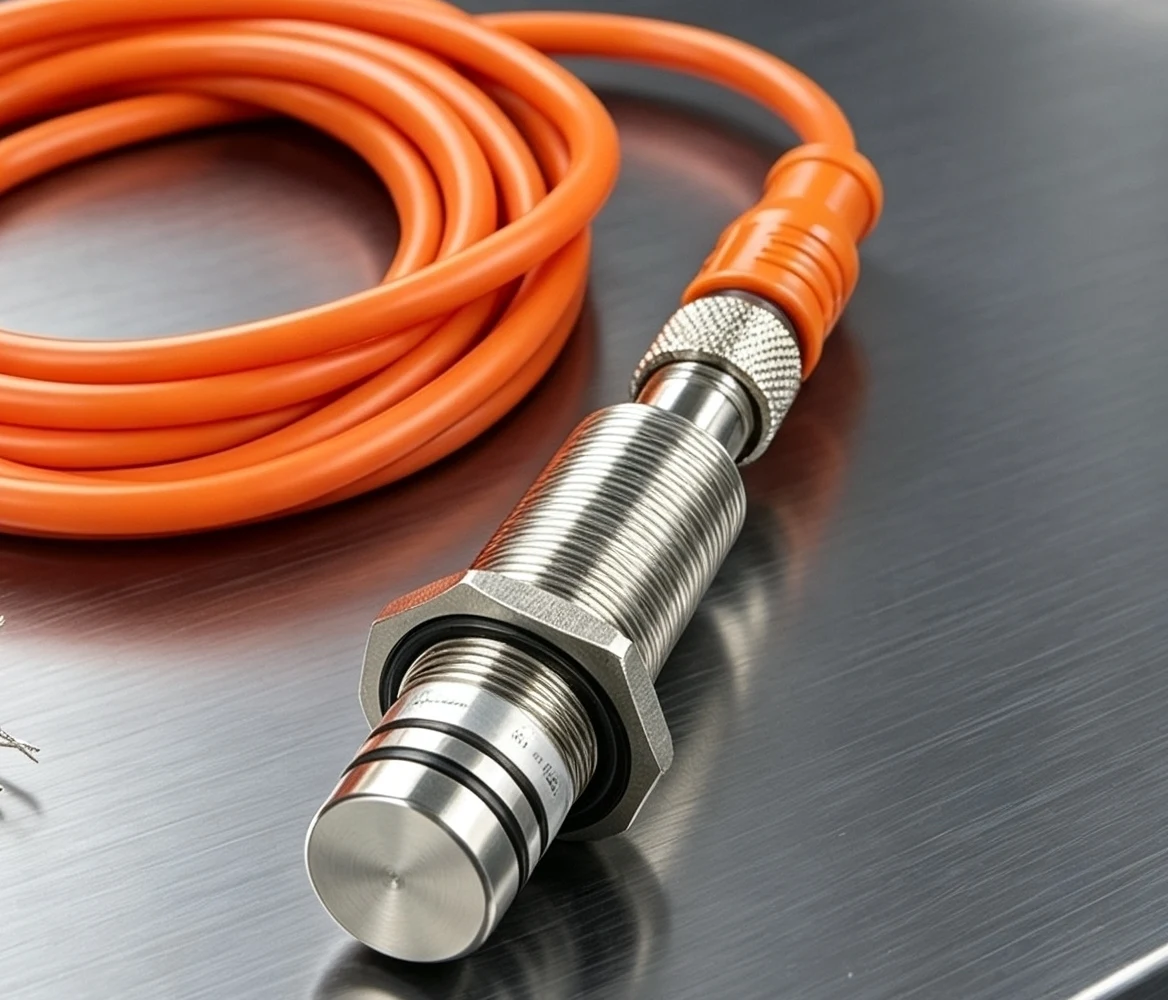 ProximityHydraulic Cylinder Proximity Sensors: Selecting for High Pressure and Hot OilPressure at the face vs oil temperature at the end cap: SGI-HP 500 bar, M18 to 1000 bar, SGI-HT +120/+150 °C decision table.Read guide →
ProximityHydraulic Cylinder End-Position Detection: Choosing a Pressure-Rated Proximity Sensor500 bar M8/M12 or up to 1000 bar M18, ceramic face, gap within 81 % of Sn, output and connection, OEM volume supply.Read guide →
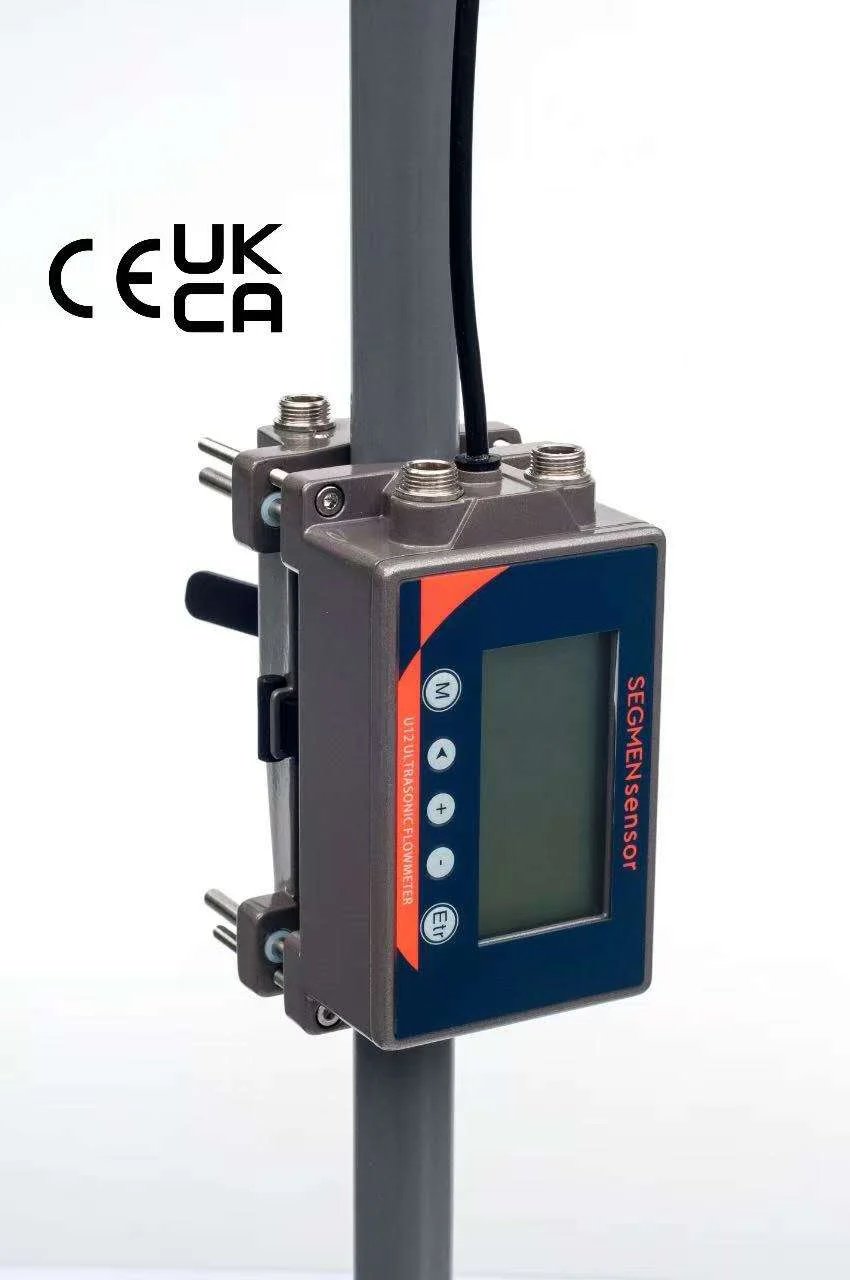 FlowClamp-On Flow Meters for Purified Water, CIP and Food Plant UtilitiesPW loops and hot sanitisation, CIP supply, sanitary tube OD and wall set-up, loop return velocity checks and the CIP return, SIP and product lines not to measure.Read guide →
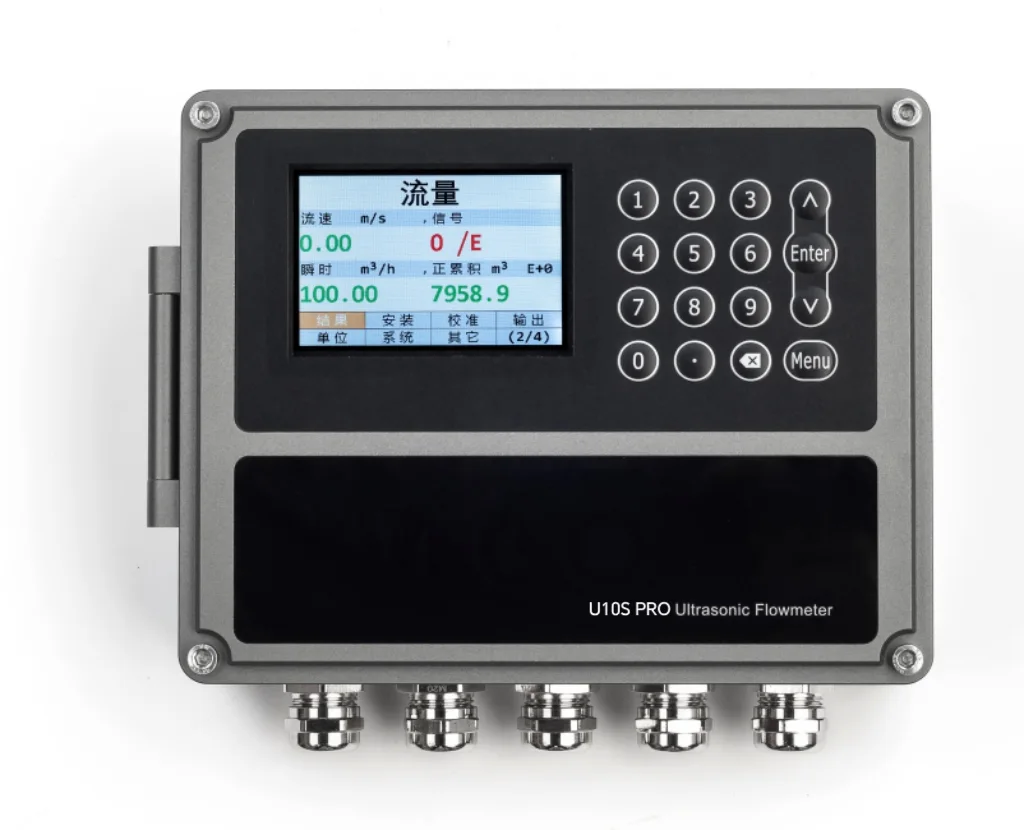 FlowClamp-On Flow Meters for Pulp, Paper and Textile Process WaterMill water headers, machine supply, softened and hot water to +180 °C, white water trials, water per batch and the stock and liquor lines not to measure.Read guide →
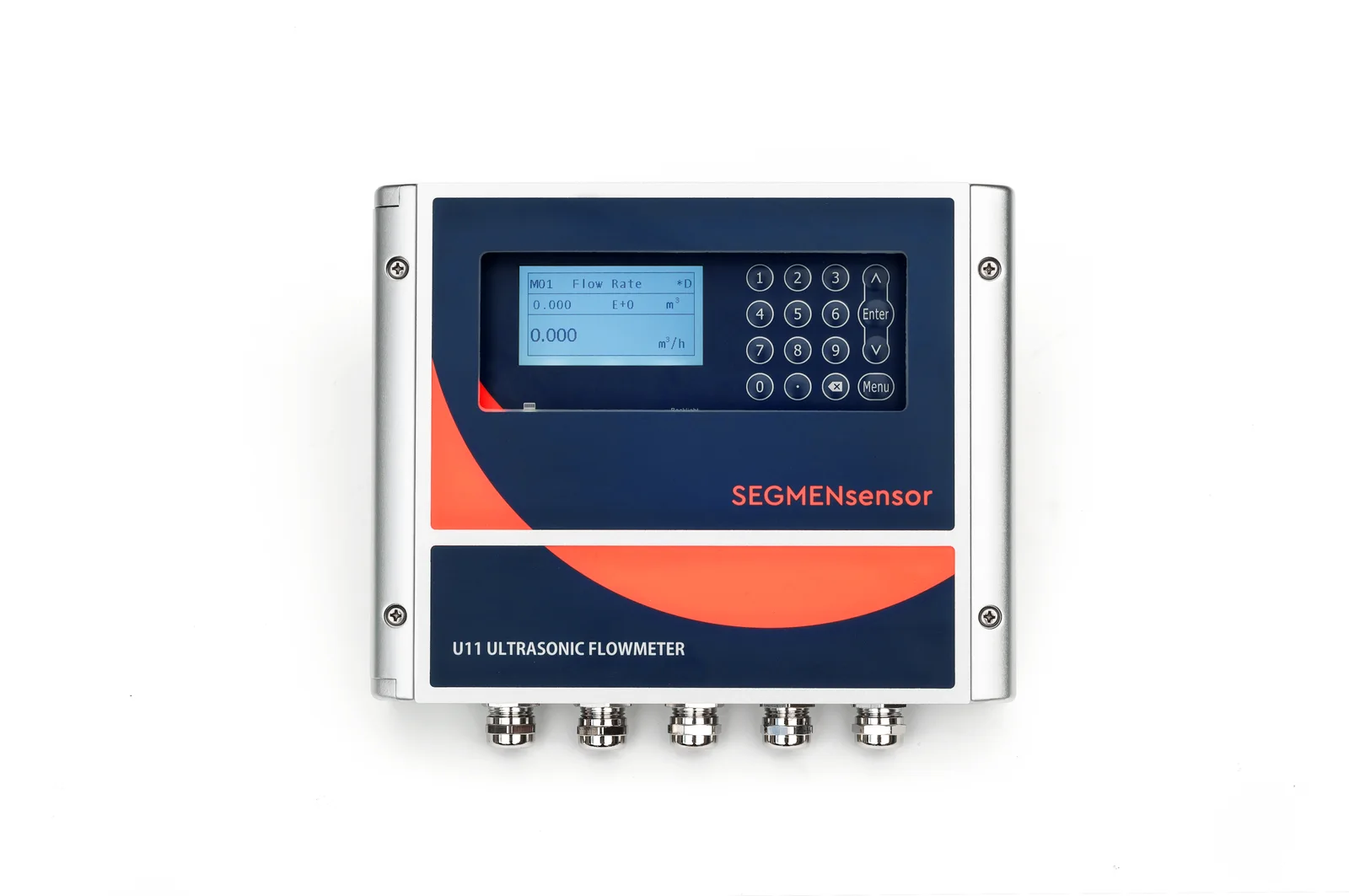 FlowClamp-On Flow Meters for Treated Effluent and Reuse WaterOutfall force mains, reuse water pump lines and user branches, permit-meter cross-checks, and the wastewater lines a transit-time meter cannot measure.Read guide →
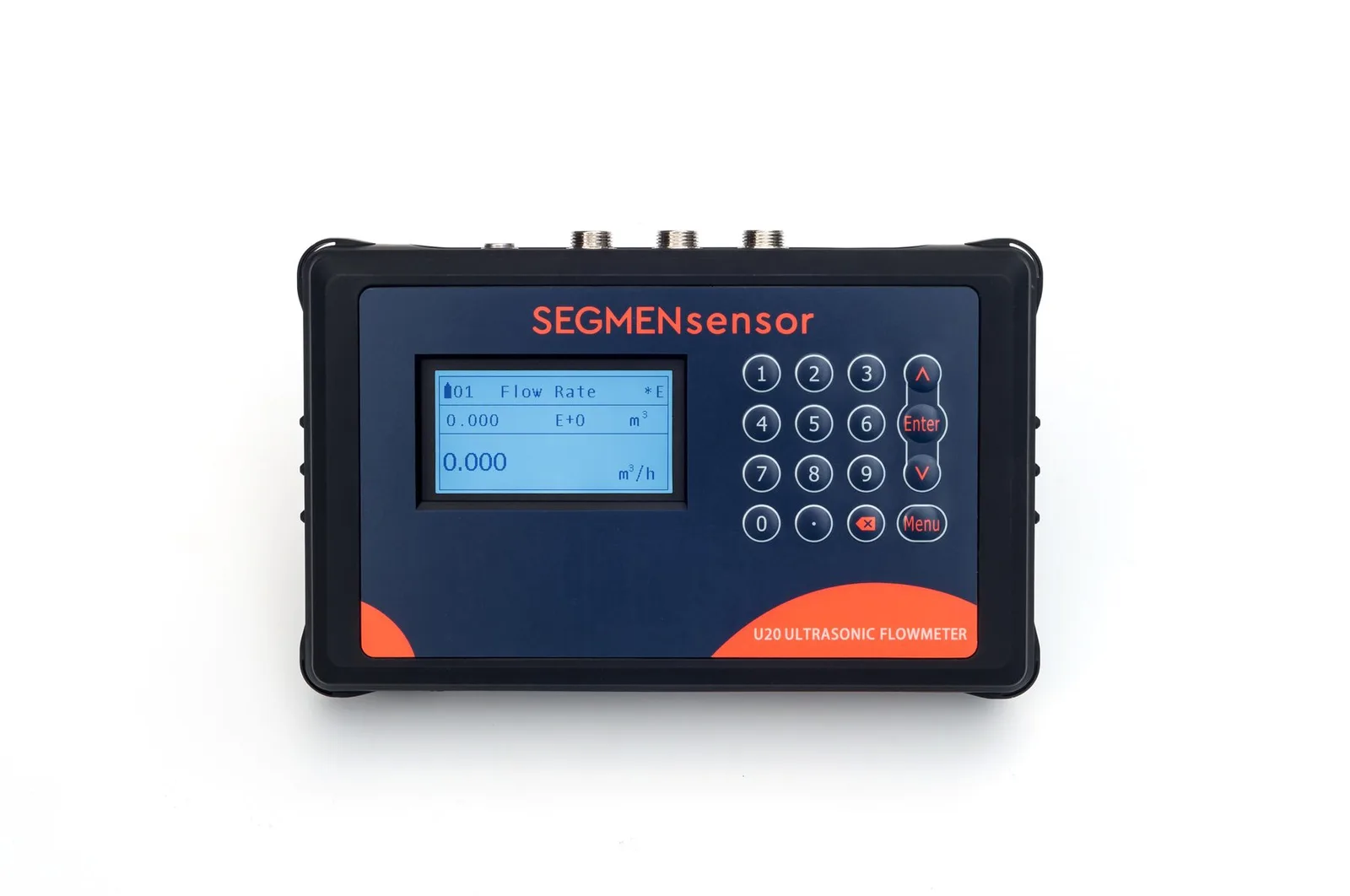 FlowClamp-On Flow Meters in Water Pump StationsPer-pump and header flow, DMA inlet night flow, checking installed meters with the U20 and the pump station lines that are not suitable.Read guide →
FlowUltrasonic Flow Meters for Steel Mill Cooling WaterClean and dirty cooling circuits: blast furnace, caster and make-up water measuring points, supply–return comparison and lines that are not suitable.Read guide →
FlowClamp-On Flow Meters in Chemical PlantsCooling water, brine, demin water and corrosive liquids with no wetted parts: measuring points, lined pipes and applications that are not suitable.Read guide →FlowUltrasonic Flow Meters in Power PlantsCirculating cooling water, make-up water and condensate: measuring points, installation on large mains and lines that are not suitable.Read guide →
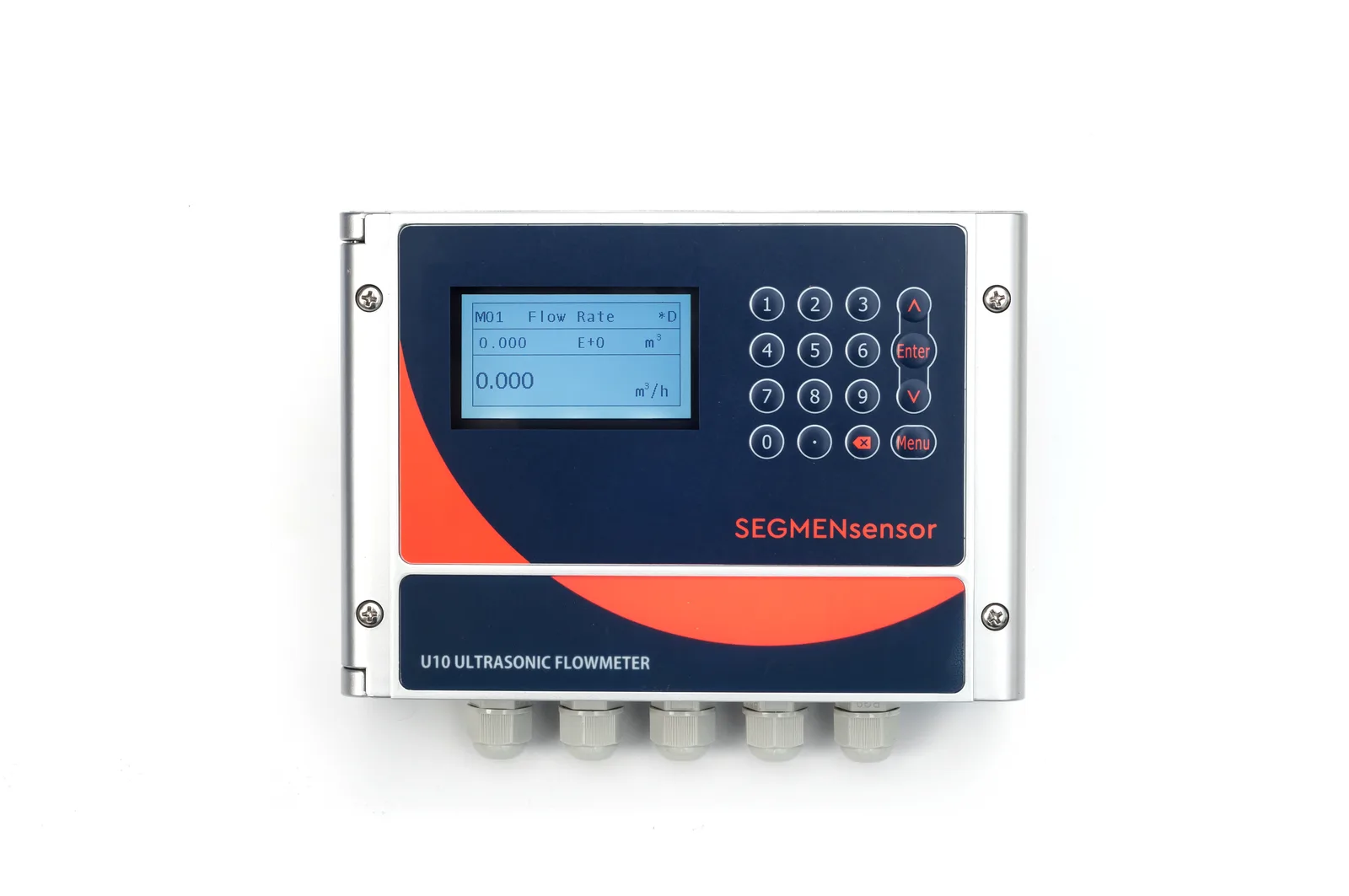 FlowUltrasonic Flow Meter for Water: How to Choose a Clamp-On MeterMains, process water, chilled water and leak surveys: pipe data, straight run, accuracy class and outputs for DN15–DN5000.Read guide →
ProximityHow to Machine the Mounting Hole and Seal a High-Pressure Proximity SensorSeven steps from the dimension drawing to the pressure test: bore depth, seal seat, O-rings, torque, gap check.Read guide →
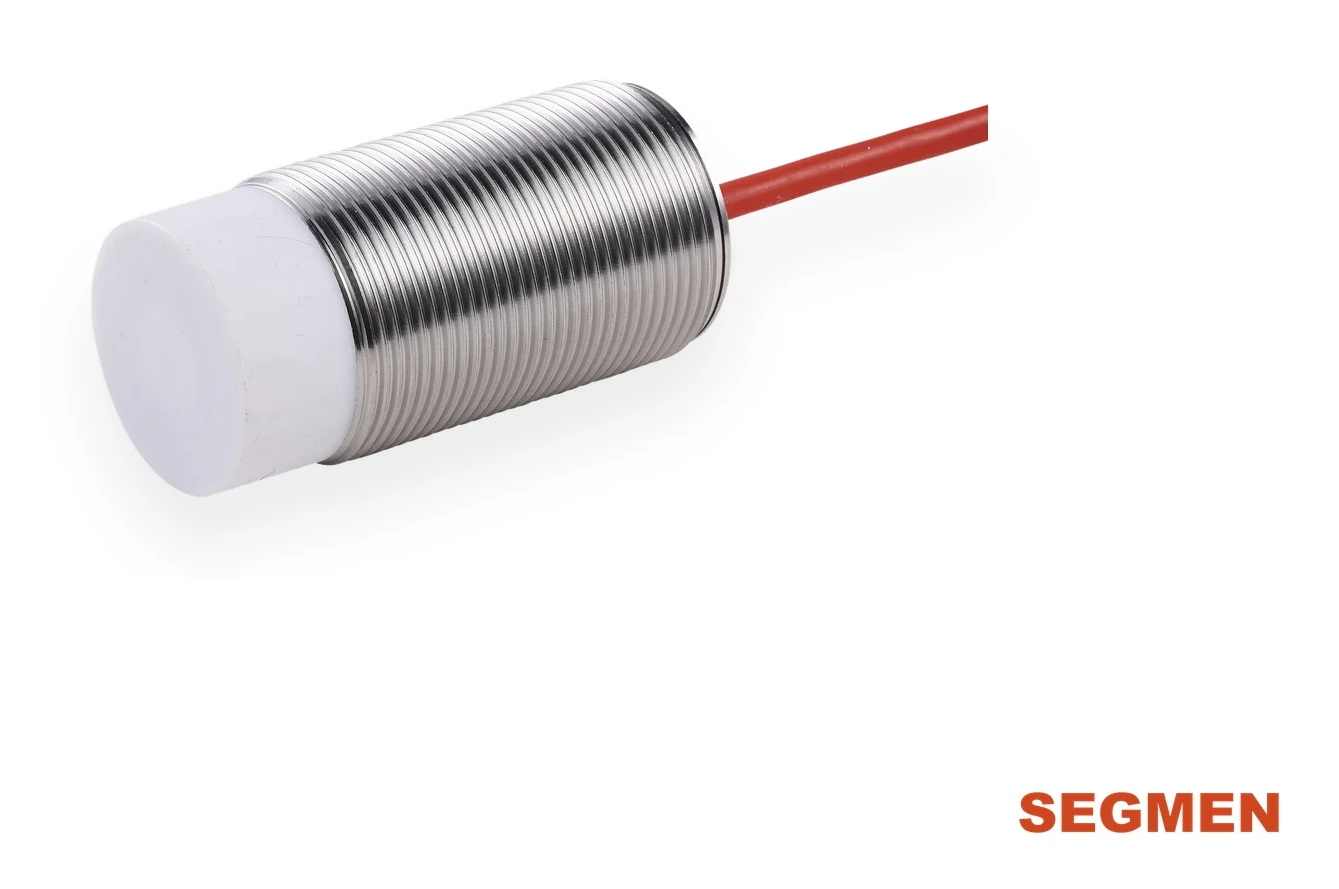 ProximityHigh-Temperature Proximity Sensor Selection: +120, +150 or +180 °CAmbient vs target temperature, inductive T120/T150, capacitive T180, low-temperature L30/L40 and sensing-distance drift.Read guide →
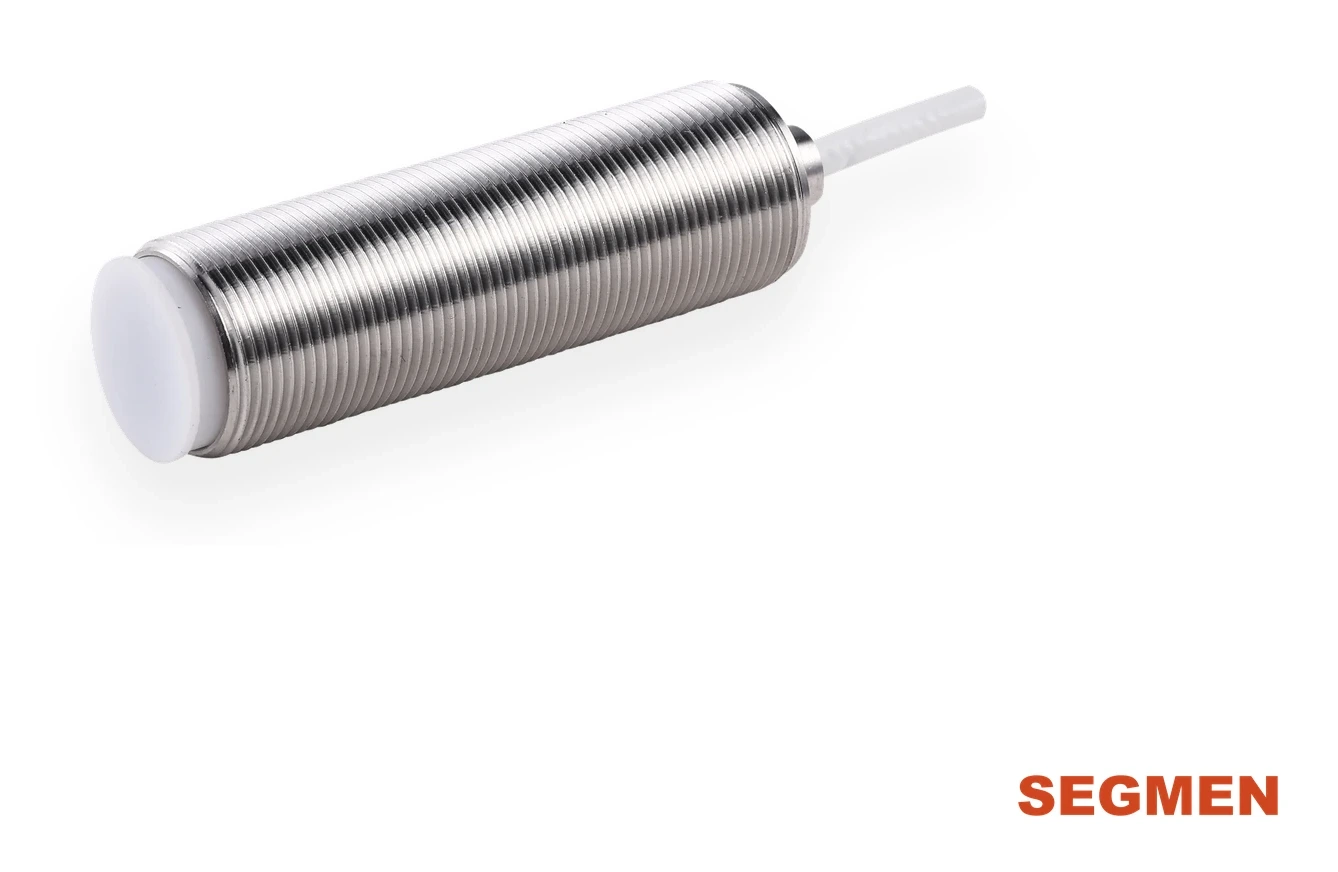 ProximityPTFE vs Silicone Cable for High-Temperature SensorsWhy PVC fails in the heat, how PTFE and silicone differ in flexibility, abrasion and chemicals, and which to choose.Read guide →
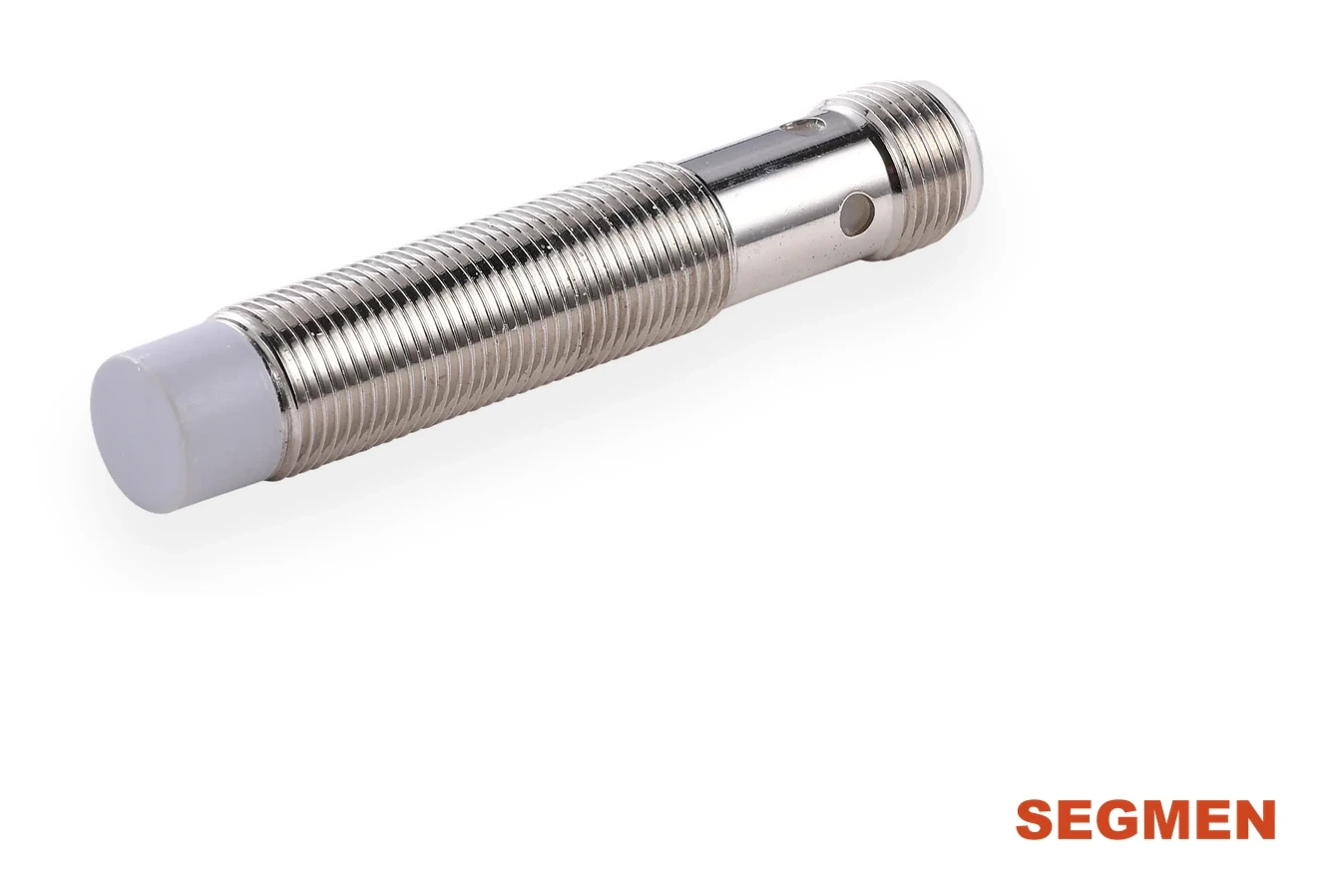 Proximity4–20 mA vs 0–10 V: Choosing and Wiring an Analog Proximity SensorNoise, cable length, wire-break detection, load limits, dual output, PLC scaling and on-site signal checks.Read guide →
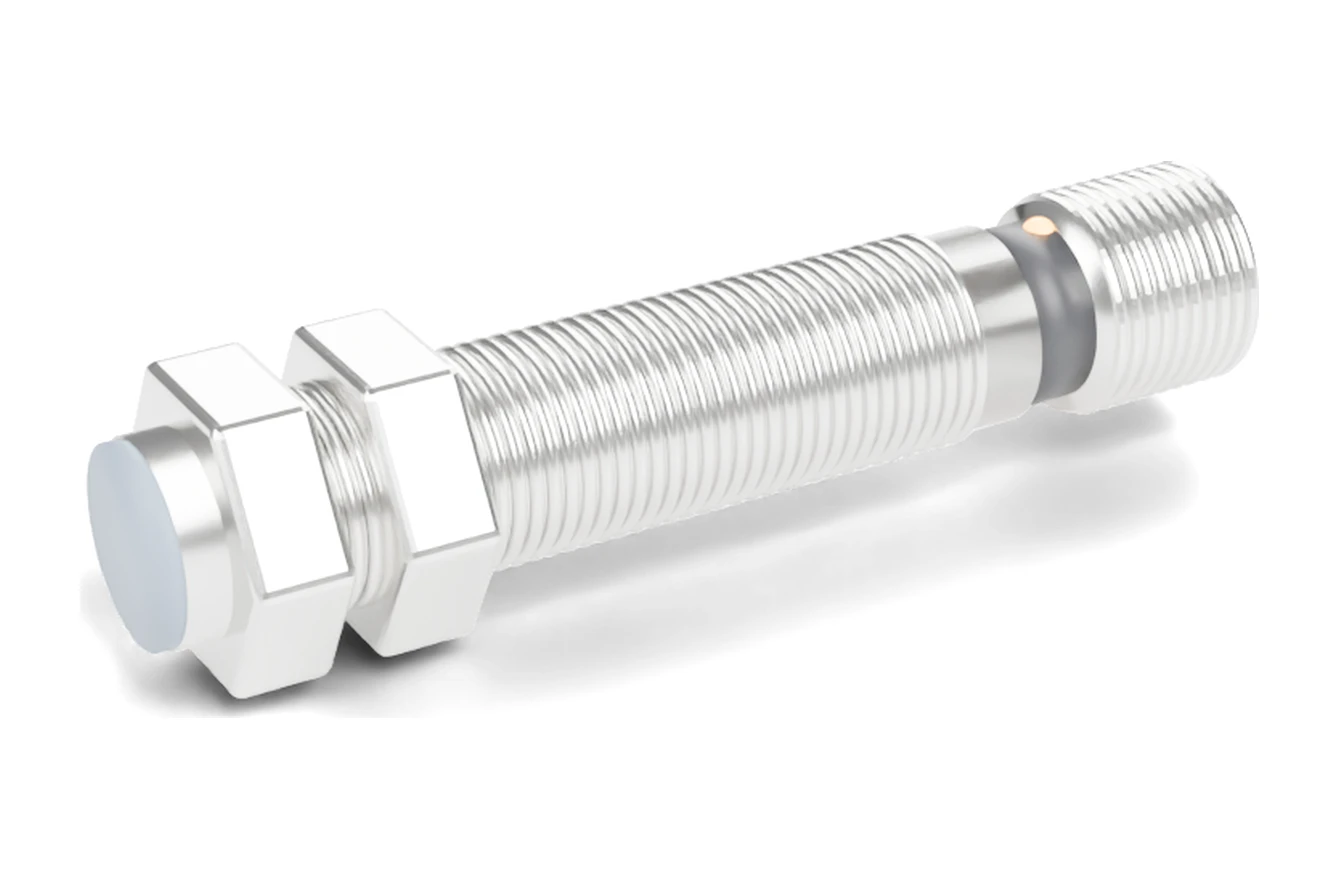 ProximityM12 Connector Pinout for Sensors (A-Coded)Pin 1 brown +V, pin 3 blue 0 V, pin 4 black output, pin 2 white NC: 3-wire, 4-wire, IO-Link and A/B/D/X coding.Read guide →
ProximityNPN vs PNP Proximity Sensor Wiring2-wire, 3-wire and 4-wire connections to PLC inputs, with wiring diagrams.Read guide →
ProximityInductive vs Capacitive Proximity SensorsWorking principles, sensing ranges and applications — how to select the right proximity type.Read guide →
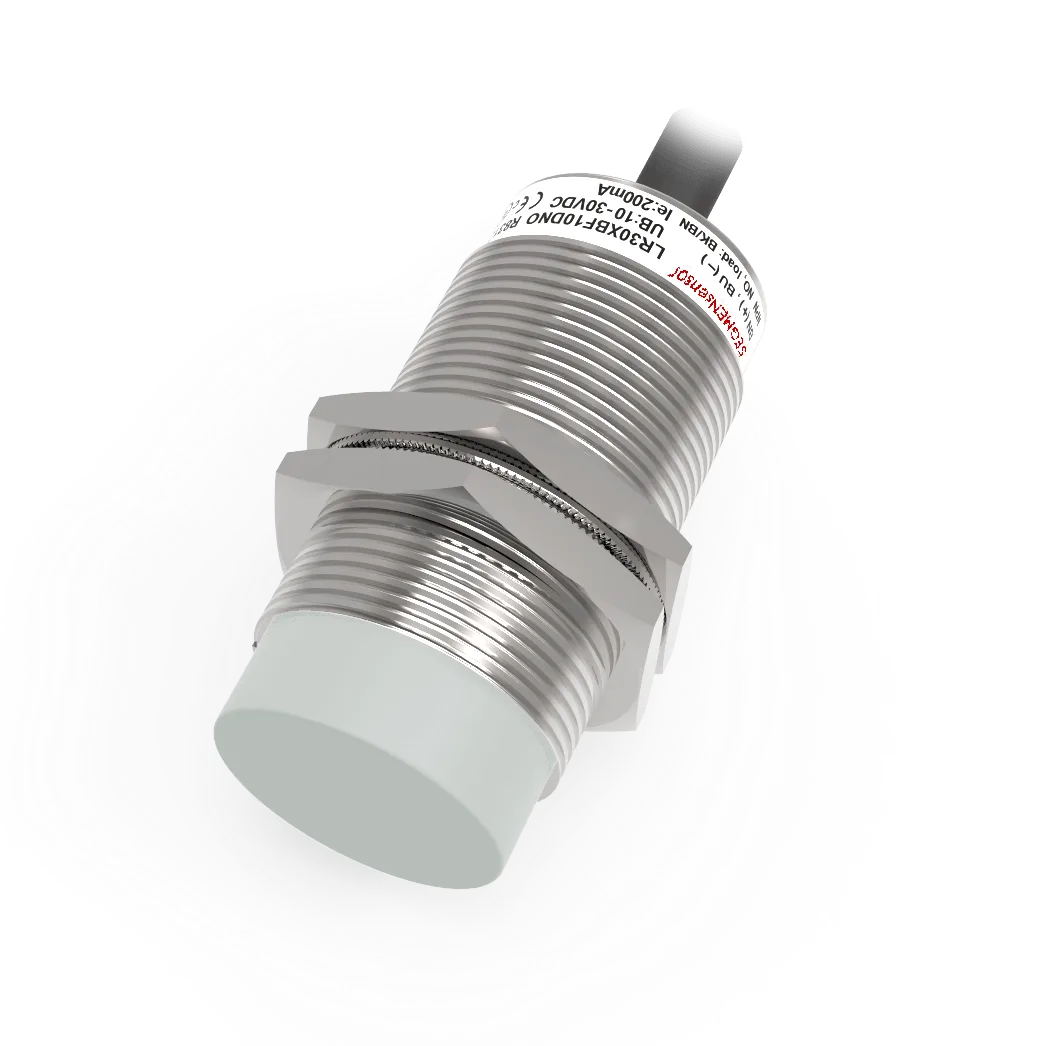 ProximityProximity Sensor Sensing Distance: Sn, Sr, Su, Sa ExplainedWhy real sensing distance differs from the datasheet, plus correction factors for non-ferrous metals.Read guide →
FlowHow to Install a Clamp-On Flow MeterPipe preparation, transducer placement, spacing calculation and signal verification, step by step.Read guide →
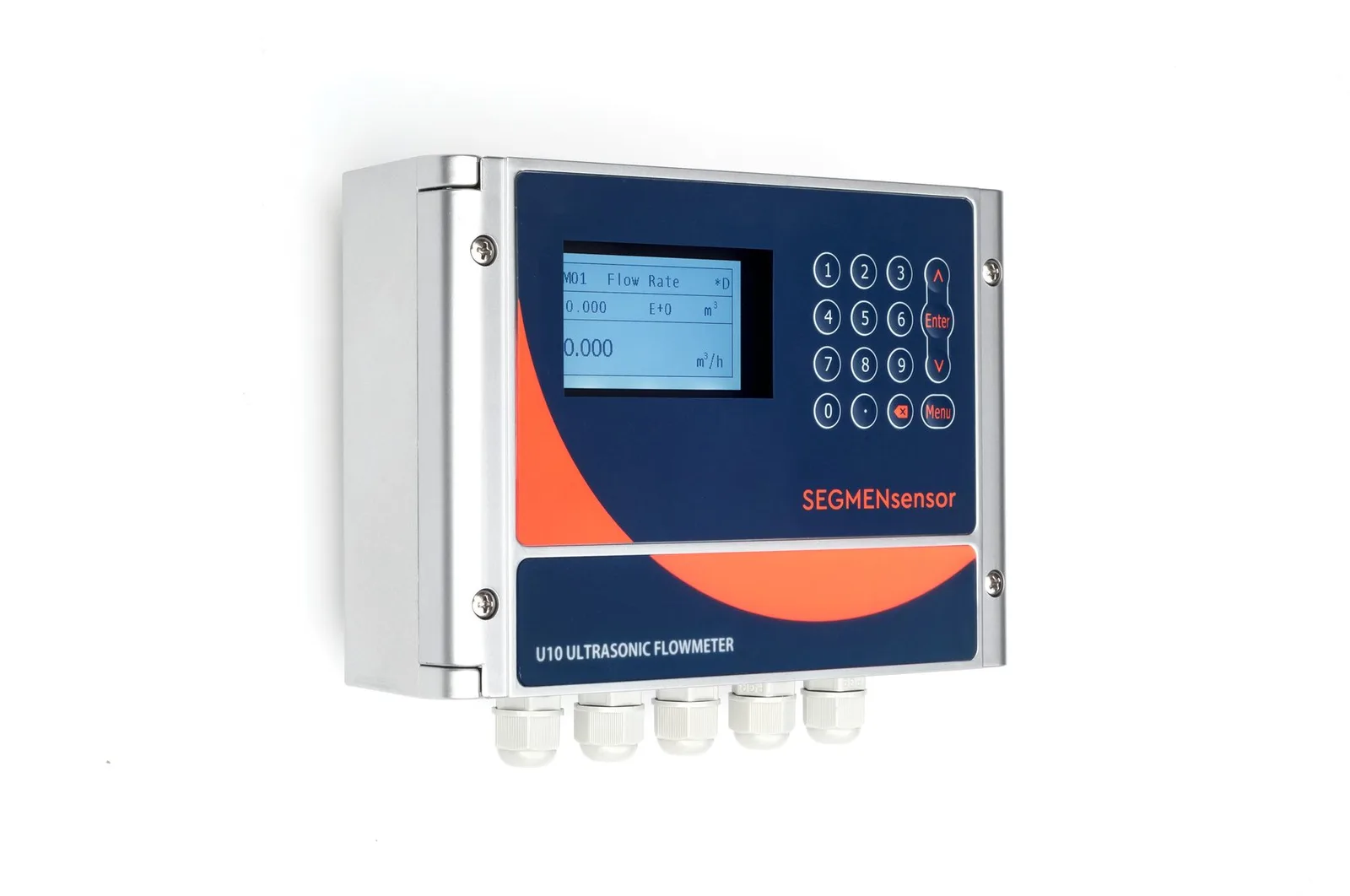 FlowImport Duty on Ultrasonic Flow Meters from ChinaHS 9026.10 duty and VAT by country, landed-cost steps and customs documents.Read guide →
FlowTransit-Time vs Doppler Ultrasonic Flow MetersHow each works, when to choose which, and what SEGMENsensor offers.Read guide →
FlowU10 vs U10S PRO vs U11 vs U12 vs U13 vs U20: Clamp-On Flow Meter ComparisonPipe sizes, accuracy, flow velocity, outputs and power for each SEGMENsensor clamp-on model, with a selection table.Read guide →
FlowData Center Chilled Water Flow MonitoringClamp-on ultrasonic flow meters on cooling-water pipes: measuring-point table, site problems and fixes, BMS integration, BTU metering and a 40-unit U11 case.Read guide →