Special-environment proximity sensors
High-Temperature Inductive Proximity Sensors up to +150 °C
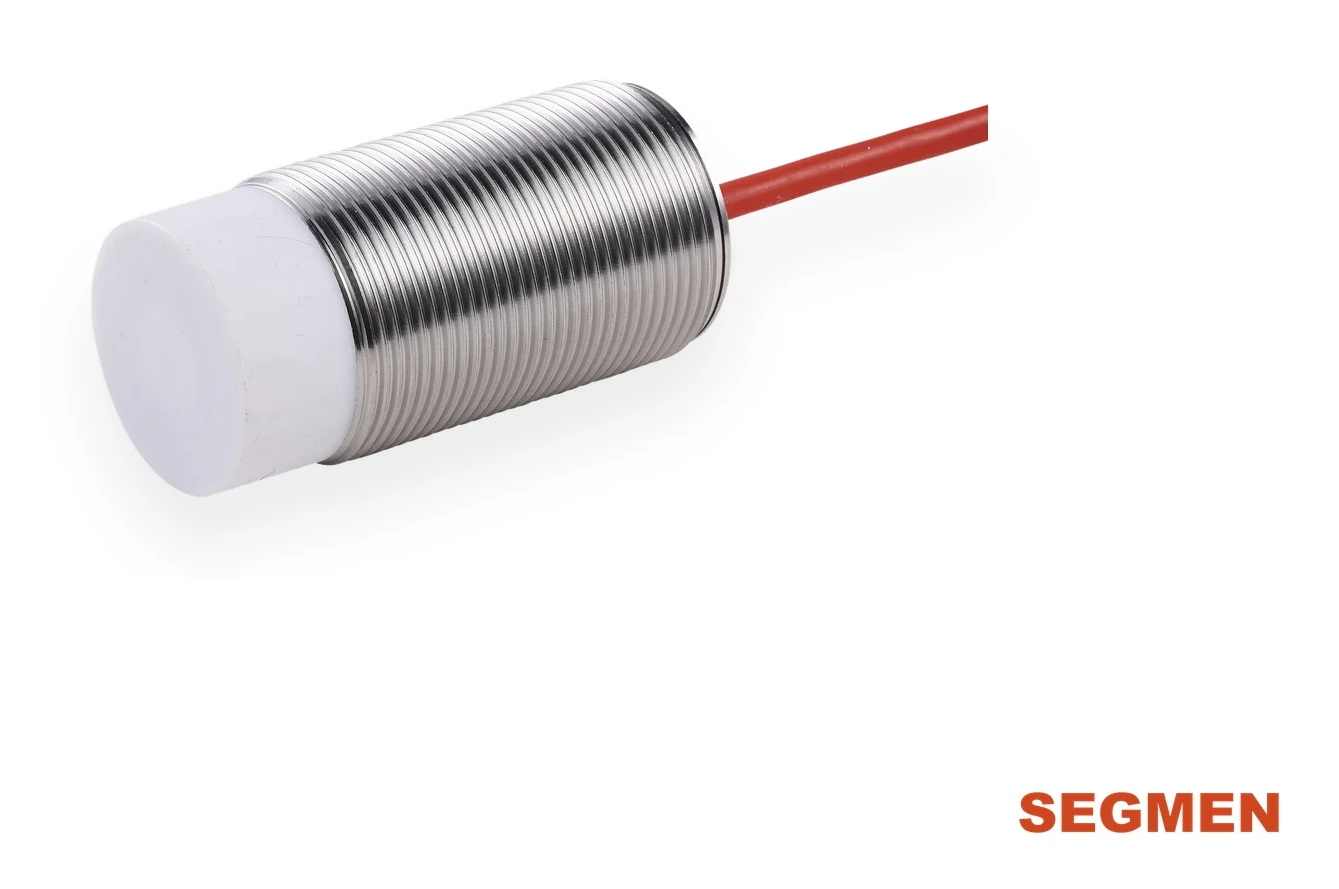
High temperature proximity sensors for hot and cold machine zones, built on inductive sensing. Choose a +120 °C or +150 °C rating for heat, or a -30 °C version for cold. All models have a PTFE sensing face and a stainless steel housing.
- Max. temperature
- +150 °C
- Low-temp version
- -30 °C
- Sensing distance
- 1–25 mm
- Housings
- M8 – M30
Qualification samples 1–5 pcs in 5–7 working days · engineering reply within 24 hours · production lead time and MOQ confirmed with the quotation.
Key facts
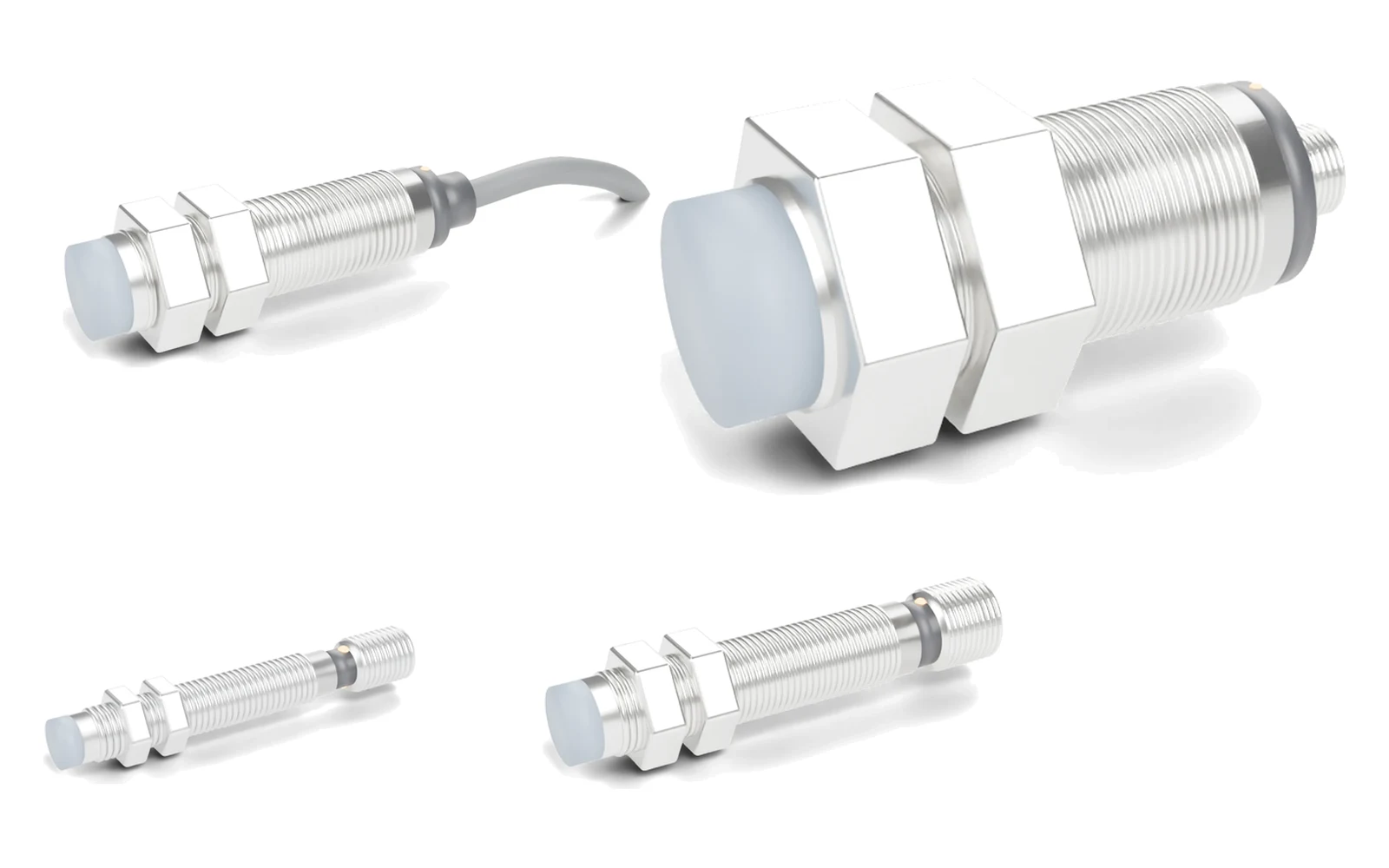
A SEGMENsensor high-temperature inductive proximity sensor detects metal targets at ambient temperatures that would damage a standard sensor. SGI-HT models are rated +120 °C (T120) or +150 °C (T150), with -30 °C low-temperature versions (L30), and use a PTFE sensing face, silicone or PTFE cable and stainless steel M8 to M30 housings.
- Temperature ratings are -25 to +120 °C (T120), -25 to +150 °C (T150) and -30 to +70 °C (L30).
- Sensing distance is 1–25 mm, depending on housing and mounting.
- Supply is 10–30 V DC (NPN/PNP) or 10–60 V DC (2-wire); repeatability is below 1.0% Sr.
- Protection is IP67, with short-circuit, reverse-polarity and overload protection.
- The series has 155 part numbers, and qualification samples are 1–5 pcs.
Watch: proximity switch ageing and function test
Transcript
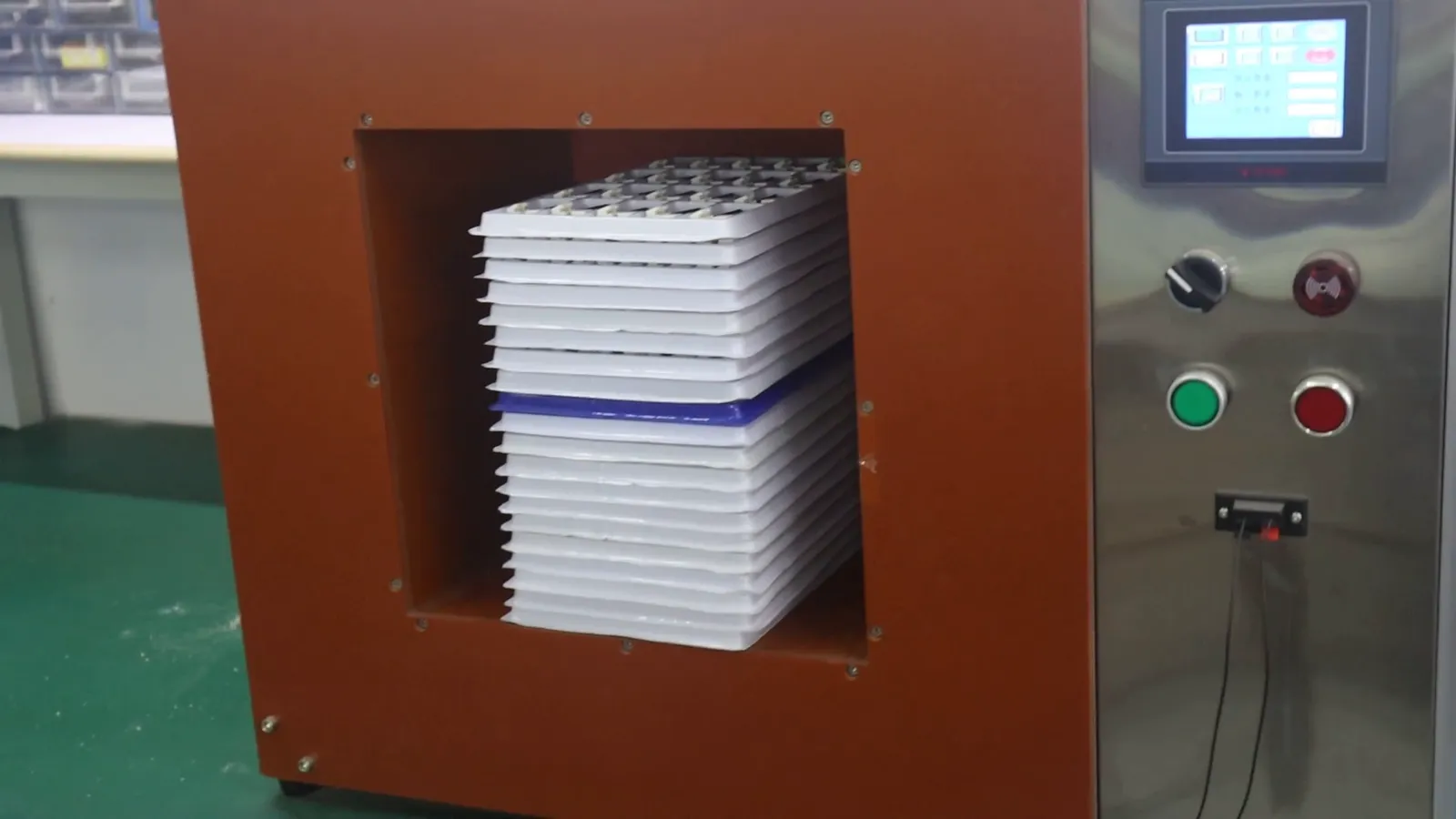
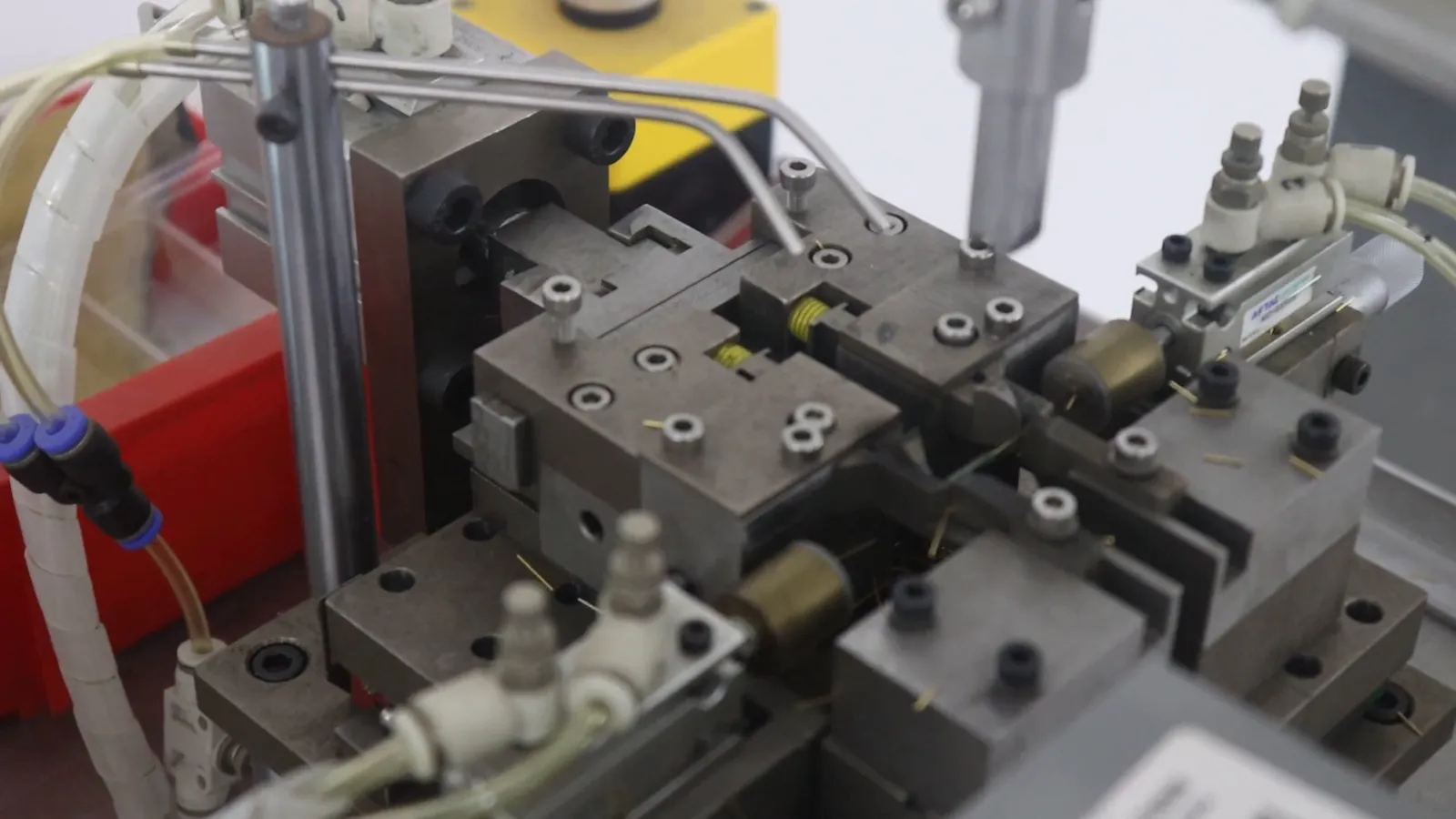
Proximity switches on the production line, from sensing element to final test. Reed sensing elements are fed into automatic assembly machines. Each element is positioned, formed and fitted automatically, one after another. Finished switches are aged in a high-temperature test chamber. Dedicated test stations then check the switching function and the output of every sensor. The readings on each station are checked before the sensors are packed. Every sensor tested · OEM volume supply. Request a quote at segmensensor.com.
Quick answer
What is a high-temperature inductive proximity sensor?
A high-temperature inductive proximity sensor detects metal targets in ambient temperatures that would damage a standard sensor. SEGMENsensor HT models are rated to +120 °C or +150 °C, with low-temperature versions to -30 °C. They use a PTFE sensing face, silicone or PTFE cable and stainless steel M8 to M30 housings.
Model finder
Choose by housing, temperature rating and output
The last part of each part number is the temperature rating: T120 or T150 for heat, L30 for cold.
| Part number | Housing | Mounting | Sensing distance | Output | Supply | Temperature | Frequency | |
|---|---|---|---|---|---|---|---|---|
| SGI-HT08S-010DA-C2-L30 | M8 | Flush | 1 mm | DC 2-wire NO | 10–60 VDC | -30 … +70 °C | 1 kHz | Quote |
| SGI-HT08S-010DA-C2-T120 | M8 | Flush | 1 mm | DC 2-wire NO | 10–60 VDC | -25 … +120 °C | 1 kHz | Quote |
| SGI-HT08S-010DB-C2-L30 | M8 | Flush | 1 mm | DC 2-wire NC | 10–60 VDC | -30 … +70 °C | 1 kHz | Quote |
| SGI-HT08S-010DB-C2-T120 | M8 | Flush | 1 mm | DC 2-wire NC | 10–60 VDC | -25 … +120 °C | 1 kHz | Quote |
| SGI-HT08S-010NA-C2-L30 | M8 | Flush | 1 mm | NPN NO | 10–30 VDC | -30 … +70 °C | 1 kHz | Quote |
| SGI-HT08S-010NA-C2-T120 | M8 | Flush | 1 mm | NPN NO | 10–30 VDC | -25 … +120 °C | 1 kHz | Quote |
| SGI-HT08S-010NB-C2-L30 | M8 | Flush | 1 mm | NPN NC | 10–30 VDC | -30 … +70 °C | 1 kHz | Quote |
| SGI-HT08S-010NB-C2-T120 | M8 | Flush | 1 mm | NPN NC | 10–30 VDC | -25 … +120 °C | 1 kHz | Quote |
| SGI-HT08S-010PA-C2-L30 | M8 | Flush | 1 mm | PNP NO | 10–30 VDC | -30 … +70 °C | 1 kHz | Quote |
| SGI-HT08S-010PA-C2-T120 | M8 | Flush | 1 mm | PNP NO | 10–30 VDC | -25 … +120 °C | 1 kHz | Quote |
| SGI-HT08S-010PB-C2-L30 | M8 | Flush | 1 mm | PNP NC | 10–30 VDC | -30 … +70 °C | 1 kHz | Quote |
| SGI-HT08S-010PB-C2-T120 | M8 | Flush | 1 mm | PNP NC | 10–30 VDC | -25 … +120 °C | 1 kHz | Quote |
| SGI-HT08S-020DA-C2-T120 | M8 | Flush | 2 mm | DC 2-wire NO | 10–60 VDC | -25 … +120 °C | 1 kHz | Quote |
| SGI-HT08S-020DB-C2-T120 | M8 | Flush | 2 mm | DC 2-wire NC | 10–60 VDC | -25 … +120 °C | 1 kHz | Quote |
| SGI-HT08S-020NA-C2-L30 | M8 | Flush | 2 mm | NPN NO | 10–30 VDC | -30 … +70 °C | 1 kHz | Quote |
| SGI-HT08S-020NA-C2-T120 | M8 | Flush | 2 mm | NPN NO | 10–30 VDC | -25 … +120 °C | 1 kHz | Quote |
| SGI-HT08S-020NB-C2-L30 | M8 | Flush | 2 mm | NPN NC | 10–30 VDC | -30 … +70 °C | 1 kHz | Quote |
| SGI-HT08S-020NB-C2-T120 | M8 | Flush | 2 mm | NPN NC | 10–30 VDC | -25 … +120 °C | 1 kHz | Quote |
| SGI-HT08S-020PA-C2-T120 | M8 | Flush | 2 mm | PNP NO | 10–30 VDC | -25 … +120 °C | 1 kHz | Quote |
| SGI-HT08S-020PB-C2-T120 | M8 | Flush | 2 mm | PNP NC | 10–30 VDC | -25 … +120 °C | 1 kHz | Quote |
| SGI-HT08U-020DA-C2-L30 | M8 | Non-flush | 2 mm | DC 2-wire NO | 10–60 VDC | -30 … +70 °C | 1 kHz | Quote |
| SGI-HT08U-020DA-C2-T120 | M8 | Non-flush | 2 mm | DC 2-wire NO | 10–60 VDC | -25 … +120 °C | 1 kHz | Quote |
| SGI-HT08U-020DB-C2-L30 | M8 | Non-flush | 2 mm | DC 2-wire NC | 10–60 VDC | -30 … +70 °C | 1 kHz | Quote |
| SGI-HT08U-020DB-C2-T120 | M8 | Non-flush | 2 mm | DC 2-wire NC | 10–60 VDC | -25 … +120 °C | 1 kHz | Quote |
| SGI-HT08U-020NA-C2-L30 | M8 | Non-flush | 2 mm | NPN NO | 10–30 VDC | -30 … +70 °C | 1 kHz | Quote |
| SGI-HT08U-020NA-C2-T120 | M8 | Non-flush | 2 mm | NPN NO | 10–30 VDC | -25 … +120 °C | 1 kHz | Quote |
| SGI-HT08U-020NB-C2-L30 | M8 | Non-flush | 2 mm | NPN NC | 10–30 VDC | -30 … +70 °C | 1 kHz | Quote |
| SGI-HT08U-020NB-C2-T120 | M8 | Non-flush | 2 mm | NPN NC | 10–30 VDC | -25 … +120 °C | 1 kHz | Quote |
| SGI-HT08U-020PA-C2-L30 | M8 | Non-flush | 2 mm | PNP NO | 10–30 VDC | -30 … +70 °C | 1 kHz | Quote |
| SGI-HT08U-020PA-C2-T120 | M8 | Non-flush | 2 mm | PNP NO | 10–30 VDC | -25 … +120 °C | 1 kHz | Quote |
| SGI-HT08U-020PB-C2-L30 | M8 | Non-flush | 2 mm | PNP NC | 10–30 VDC | -30 … +70 °C | 1 kHz | Quote |
| SGI-HT08U-020PB-C2-T120 | M8 | Non-flush | 2 mm | PNP NC | 10–30 VDC | -25 … +120 °C | 1 kHz | Quote |
| SGI-HT08U-040DA-C2-T120 | M8 | Non-flush | 4 mm | DC 2-wire NO | 10–60 VDC | -25 … +120 °C | 1 kHz | Quote |
| SGI-HT08U-040DB-C2-T120 | M8 | Non-flush | 4 mm | DC 2-wire NC | 10–60 VDC | -25 … +120 °C | 1 kHz | Quote |
| SGI-HT08U-040NA-C2-L30 | M8 | Non-flush | 4 mm | NPN NO | 10–30 VDC | -30 … +70 °C | 1 kHz | Quote |
| SGI-HT08U-040NA-C2-T120 | M8 | Non-flush | 4 mm | NPN NO | 10–30 VDC | -25 … +120 °C | 1 kHz | Quote |
| SGI-HT08U-040NB-C2-L30 | M8 | Non-flush | 4 mm | NPN NC | 10–30 VDC | -30 … +70 °C | 1 kHz | Quote |
| SGI-HT08U-040NB-C2-T120 | M8 | Non-flush | 4 mm | NPN NC | 10–30 VDC | -25 … +120 °C | 1 kHz | Quote |
| SGI-HT08U-040PA-C2-T120 | M8 | Non-flush | 4 mm | PNP NO | 10–30 VDC | -25 … +120 °C | 1 kHz | Quote |
| SGI-HT08U-040PB-C2-T120 | M8 | Non-flush | 4 mm | PNP NC | 10–30 VDC | -25 … +120 °C | 1 kHz | Quote |
| SGI-HT12S-020DA-C2-T120 | M12 | Flush | 2 mm | DC 2-wire NO | 10–60 VDC | -25 … +120 °C | 1 kHz | Quote |
| SGI-HT12S-020DA-C2-T150 | M12 | Flush | 2 mm | DC 2-wire NO | 10–60 VDC | -25 … +150 °C | 1 kHz | Quote |
| SGI-HT12S-020DB-C2-T120 | M12 | Flush | 2 mm | DC 2-wire NC | 10–60 VDC | -25 … +120 °C | 1 kHz | Quote |
| SGI-HT12S-020DB-C2-T150 | M12 | Flush | 2 mm | DC 2-wire NC | 10–60 VDC | -25 … +120 °C | 1 kHz | Quote |
| SGI-HT12S-020NA-C2-T120 | M12 | Flush | 2 mm | NPN NO | 10–30 VDC | -25 … +120 °C | 1 kHz | Quote |
| SGI-HT12S-020NA-C2-T150 | M12 | Flush | 2 mm | NPN NO | 10–30 VDC | -25 … +150 °C | 1 kHz | Quote |
| SGI-HT12S-020NB-C2-T120 | M12 | Flush | 2 mm | NPN NC | 10–30 VDC | -25 … +120 °C | 1 kHz | Quote |
| SGI-HT12S-020NB-C2-T150 | M12 | Flush | 2 mm | NPN NC | 10–30 VDC | -25 … +150 °C | 1 kHz | Quote |
| SGI-HT12S-020PA-C2-T120 | M12 | Flush | 2 mm | PNP NO | 10–30 VDC | -25 … +120 °C | 1 kHz | Quote |
| SGI-HT12S-020PA-C2-T150 | M12 | Flush | 2 mm | PNP NO | 10–30 VDC | -25 … +150 °C | 1 kHz | Quote |
| SGI-HT12S-020PB-C2-T120 | M12 | Flush | 2 mm | PNP NC | 10–30 VDC | -25 … +120 °C | 1 kHz | Quote |
| SGI-HT12S-020PB-C2-T150 | M12 | Flush | 2 mm | PNP NC | 10–30 VDC | -25 … +150 °C | 1 kHz | Quote |
| SGI-HT12S-040DA-C2-T120 | M12 | Flush | 4 mm | DC 2-wire NO | 10–60 VDC | -25 … +120 °C | 1 kHz | Quote |
| SGI-HT12S-040DB-C2-T120 | M12 | Flush | 4 mm | DC 2-wire NC | 10–60 VDC | -25 … +120 °C | 1 kHz | Quote |
| SGI-HT12S-040NA-C2-T120 | M12 | Flush | 4 mm | NPN NO | 10–30 VDC | -25 … +120 °C | 1 kHz | Quote |
| SGI-HT12S-040NA-C2-T150 | M12 | Flush | 4 mm | NPN NO | 10–30 VDC | -25 … +150 °C | 1 kHz | Quote |
| SGI-HT12S-040NB-C2-T120 | M12 | Flush | 4 mm | NPN NC | 10–30 VDC | -25 … +120 °C | 1 kHz | Quote |
| SGI-HT12S-040NB-C2-T150 | M12 | Flush | 4 mm | NPN NC | 10–30 VDC | -25 … +150 °C | 1 kHz | Quote |
| SGI-HT12S-040PA-C2-T120 | M12 | Flush | 4 mm | PNP NO | 10–30 VDC | -25 … +120 °C | 1 kHz | Quote |
| SGI-HT12S-040PB-C2-T120 | M12 | Flush | 4 mm | PNP NC | 10–30 VDC | -25 … +120 °C | 1 kHz | Quote |
| SGI-HT12U-040DA-C2-T120 | M12 | Non-flush | 4 mm | DC 2-wire NO | 10–60 VDC | -25 … +120 °C | 800 Hz | Quote |
| SGI-HT12U-040DA-C2-T150 | M12 | Non-flush | 4 mm | DC 2-wire NO | 10–60 VDC | -25 … +150 °C | 500 Hz | Quote |
| SGI-HT12U-040DB-C2-T120 | M12 | Non-flush | 4 mm | DC 2-wire NC | 10–60 VDC | -25 … +120 °C | 800 Hz | Quote |
| SGI-HT12U-040DB-C2-T150 | M12 | Non-flush | 4 mm | DC 2-wire NC | 10–60 VDC | -25 … +150 °C | 500 Hz | Quote |
| SGI-HT12U-040NA-C2-T120 | M12 | Non-flush | 4 mm | NPN NO | 10–30 VDC | -25 … +120 °C | 800 Hz | Quote |
| SGI-HT12U-040NA-C2-T150 | M12 | Non-flush | 4 mm | NPN NO | 10–30 VDC | -25 … +150 °C | 500 Hz | Quote |
| SGI-HT12U-040NB-C2-T120 | M12 | Non-flush | 4 mm | NPN NC | 10–30 VDC | -25 … +120 °C | 800 Hz | Quote |
| SGI-HT12U-040NB-C2-T150 | M12 | Non-flush | 4 mm | NPN NC | 10–30 VDC | -25 … +150 °C | 500 Hz | Quote |
| SGI-HT12U-040PA-C2-T120 | M12 | Non-flush | 4 mm | PNP NO | 10–30 VDC | -25 … +120 °C | 800 Hz | Quote |
| SGI-HT12U-040PA-C2-T150 | M12 | Non-flush | 4 mm | PNP NO | 10–30 VDC | -25 … +150 °C | 500 Hz | Quote |
| SGI-HT12U-040PB-C2-T120 | M12 | Non-flush | 4 mm | PNP NC | 10–30 VDC | -25 … +120 °C | 800 Hz | Quote |
| SGI-HT12U-040PB-C2-T150 | M12 | Non-flush | 4 mm | PNP NC | 10–30 VDC | -25 … +150 °C | 500 Hz | Quote |
| SGI-HT12U-080NA-C2-T120 | M12 | Non-flush | 8 mm | NPN NO | 10–30 VDC | -25 … +120 °C | 800 Hz | Quote |
| SGI-HT12U-080NA-C2-T150 | M12 | Non-flush | 8 mm | NPN NO | 10–30 VDC | -25 … +150 °C | 500 Hz | Quote |
| SGI-HT12U-080NB-C2-T150 | M12 | Non-flush | 8 mm | NPN NC | 10–30 VDC | -25 … +150 °C | 500 Hz | Quote |
| SGI-HT18S-050DA-C2-T120 | M18 | Flush | 5 mm | DC 2-wire NO | 10–60 VDC | -25 … +120 °C | 400 Hz | Quote |
| SGI-HT18S-050DA-C2-T150 | M18 | Flush | 5 mm | DC 2-wire NO | 10–60 VDC | -25 … +150 °C | 400 Hz | Quote |
| SGI-HT18S-050DB-C2-T120 | M18 | Flush | 5 mm | DC 2-wire NC | 10–60 VDC | -25 … +120 °C | 400 Hz | Quote |
| SGI-HT18S-050DB-C2-T150 | M18 | Flush | 5 mm | DC 2-wire NC | 10–60 VDC | -25 … +150 °C | 400 Hz | Quote |
| SGI-HT18S-050NA-C2-T120 | M18 | Flush | 5 mm | NPN NO | 10–30 VDC | -25 … +120 °C | 400 Hz | Quote |
| SGI-HT18S-050NA-C2-T150 | M18 | Flush | 5 mm | NPN NO | 10–30 VDC | -25 … +150 °C | 400 Hz | Quote |
| SGI-HT18S-050NB-C2-T120 | M18 | Flush | 5 mm | NPN NC | 10–30 VDC | -25 … +120 °C | 400 Hz | Quote |
| SGI-HT18S-050NB-C2-T150 | M18 | Flush | 5 mm | NPN NC | 10–30 VDC | -25 … +150 °C | 400 Hz | Quote |
| SGI-HT18S-050PA-C2-T120 | M18 | Flush | 5 mm | PNP NO | 10–30 VDC | -25 … +120 °C | 400 Hz | Quote |
| SGI-HT18S-050PA-C2-T150 | M18 | Flush | 5 mm | PNP NO | 10–30 VDC | -25 … +150 °C | 400 Hz | Quote |
| SGI-HT18S-050PB-C2-T120 | M18 | Flush | 5 mm | PNP NC | 10–30 VDC | -25 … +120 °C | 400 Hz | Quote |
| SGI-HT18S-050PB-C2-T150 | M18 | Flush | 5 mm | PNP NC | 10–30 VDC | -25 … +150 °C | 400 Hz | Quote |
| SGI-HT18S-080DA-C2-T120 | M18 | Flush | 8 mm | DC 2-wire NO | 10–60 VDC | -25 … +120 °C | 400 Hz | Quote |
| SGI-HT18S-080DB-C2-T120 | M18 | Flush | 8 mm | DC 2-wire NC | 10–60 VDC | -25 … +120 °C | 400 Hz | Quote |
| SGI-HT18S-080NA-C2-T120 | M18 | Flush | 8 mm | NPN NO | 10–30 VDC | -25 … +120 °C | 400 Hz | Quote |
| SGI-HT18S-080NA-C2-T150 | M18 | Flush | 8 mm | NPN NO | 10–30 VDC | -25 … +150 °C | 400 Hz | Quote |
| SGI-HT18S-080NB-C2-T120 | M18 | Flush | 8 mm | NPN NC | 10–30 VDC | -25 … +120 °C | 400 Hz | Quote |
| SGI-HT18S-080NB-C2-T150 | M18 | Flush | 8 mm | NPN NC | 10–30 VDC | -25 … +150 °C | 400 Hz | Quote |
| SGI-HT18S-080PA-C2-T120 | M18 | Flush | 8 mm | PNP NO | 10–30 VDC | -25 … +120 °C | 400 Hz | Quote |
| SGI-HT18S-080PB-C2-T120 | M18 | Flush | 8 mm | PNP NC | 10–30 VDC | -25 … +120 °C | 400 Hz | Quote |
| SGI-HT18U-080DA-C2-T120 | M18 | Non-flush | 8 mm | DC 2-wire NO | 10–60 VDC | -25 … +120 °C | 300 Hz | Quote |
| SGI-HT18U-080DA-C2-T150 | M18 | Non-flush | 8 mm | DC 2-wire NO | 10–60 VDC | -25 … +150 °C | 300 Hz | Quote |
| SGI-HT18U-080DB-C2-T120 | M18 | Non-flush | 8 mm | DC 2-wire NC | 10–60 VDC | -25 … +120 °C | 300 Hz | Quote |
| SGI-HT18U-080DB-C2-T150 | M18 | Non-flush | 8 mm | DC 2-wire NC | 10–60 VDC | -25 … +150 °C | 300 Hz | Quote |
| SGI-HT18U-080NA-C2-T120 | M18 | Non-flush | 8 mm | NPN NO | 10–30 VDC | -25 … +120 °C | 300 Hz | Quote |
| SGI-HT18U-080NA-C2-T150 | M18 | Non-flush | 8 mm | NPN NO | 10–30 VDC | -25 … +150 °C | 300 Hz | Quote |
| SGI-HT18U-080NB-C2-T120 | M18 | Non-flush | 8 mm | NPN NC | 10–30 VDC | -25 … +120 °C | 300 Hz | Quote |
| SGI-HT18U-080NB-C2-T150 | M18 | Non-flush | 8 mm | NPN NC | 10–30 VDC | -25 … +150 °C | 300 Hz | Quote |
| SGI-HT18U-080PA-C2-T120 | M18 | Non-flush | 8 mm | PNP NO | 10–30 VDC | -25 … +120 °C | 300 Hz | Quote |
| SGI-HT18U-080PA-C2-T150 | M18 | Non-flush | 8 mm | PNP NO | 10–30 VDC | -25 … +150 °C | 300 Hz | Quote |
| SGI-HT18U-080PB-C2-T120 | M18 | Non-flush | 8 mm | PNP NC | 10–30 VDC | -25 … +120 °C | 300 Hz | Quote |
| SGI-HT18U-080PB-C2-T150 | M18 | Non-flush | 8 mm | PNP NC | 10–30 VDC | -25 … +150 °C | 300 Hz | Quote |
| SGI-HT18U-160DA-C2-T120 | M18 | Non-flush | 16 mm | DC 2-wire NO | 10–60 VDC | -25 … +120 °C | 300 Hz | Quote |
| SGI-HT18U-160DB-C2-T120 | M18 | Non-flush | 16 mm | DC 2-wire NC | 10–60 VDC | -25 … +120 °C | 300 Hz | Quote |
| SGI-HT18U-160NA-C2-T120 | M18 | Non-flush | 16 mm | NPN NO | 10–30 VDC | -25 … +120 °C | 300 Hz | Quote |
| SGI-HT18U-160NA-C2-T150 | M18 | Non-flush | 16 mm | NPN NO | 10–30 VDC | -25 … +150 °C | 300 Hz | Quote |
| SGI-HT18U-160NB-C2-T120 | M18 | Non-flush | 16 mm | NPN NC | 10–30 VDC | -25 … +120 °C | 300 Hz | Quote |
| SGI-HT18U-160NB-C2-T150 | M18 | Non-flush | 16 mm | NPN NC | 10–30 VDC | -25 … +150 °C | 300 Hz | Quote |
| SGI-HT18U-160PA-C2-T120 | M18 | Non-flush | 16 mm | PNP NO | 10–30 VDC | -25 … +120 °C | 300 Hz | Quote |
| SGI-HT18U-160PB-C2-T120 | M18 | Non-flush | 16 mm | PNP NC | 10–30 VDC | -25 … +120 °C | 300 Hz | Quote |
| SGI-HT30S-100DA-C2-T120 | M30 | Flush | 10 mm | DC 2-wire NO | 10–60 VDC | -25 … +120 °C | 200 Hz | Quote |
| SGI-HT30S-100DA-C2-T150 | M30 | Flush | 10 mm | DC 2-wire NO | 10–60 VDC | -25 … +150 °C | 200 Hz | Quote |
| SGI-HT30S-100DB-C2-T120 | M30 | Flush | 10 mm | DC 2-wire NC | 10–60 VDC | -25 … +120 °C | 200 Hz | Quote |
| SGI-HT30S-100DB-C2-T150 | M30 | Flush | 10 mm | DC 2-wire NC | 10–60 VDC | -25 … +150 °C | 200 Hz | Quote |
| SGI-HT30S-100NA-C2-T120 | M30 | Flush | 10 mm | NPN NO | 10–30 VDC | -25 … +120 °C | 200 Hz | Quote |
| SGI-HT30S-100NA-C2-T150 | M30 | Flush | 10 mm | NPN NO | 10–30 VDC | -25 … +150 °C | 200 Hz | Quote |
| SGI-HT30S-100NB-C2-T120 | M30 | Flush | 10 mm | NPN NC | 10–30 VDC | -25 … +120 °C | 200 Hz | Quote |
| SGI-HT30S-100PA-C2-T120 | M30 | Flush | 10 mm | PNP NO | 10–30 VDC | -25 … +120 °C | 200 Hz | Quote |
| SGI-HT30S-100PA-C2-T150 | M30 | Flush | 10 mm | PNP NO | 10–30 VDC | -25 … +150 °C | 200 Hz | Quote |
| SGI-HT30S-100PB-C2-T120 | M30 | Flush | 10 mm | PNP NC | 10–30 VDC | -25 … +120 °C | 200 Hz | Quote |
| SGI-HT30S-100PB-C2-T150 | M30 | Flush | 10 mm | PNP NC | 10–30 VDC | -25 … +150 °C | 200 Hz | Quote |
| SGI-HT30S-160DA-C2-T120 | M30 | Flush | 16 mm | DC 2-wire NO | 10–30 VDC | -25 … +120 °C | 200 Hz | Quote |
| SGI-HT30S-160DB-C2-T120 | M30 | Flush | 16 mm | DC 2-wire NC | 10–30 VDC | -25 … +120 °C | 200 Hz | Quote |
| SGI-HT30S-160NA-C2-T120 | M30 | Flush | 16 mm | NPN NO | 10–30 VDC | -25 … +120 °C | 200 Hz | Quote |
| SGI-HT30S-160NA-C2-T150 | M30 | Flush | 16 mm | NPN NO | 10–30 VDC | -25 … +150 °C | 200 Hz | Quote |
| SGI-HT30S-160NB-C2-T120 | M30 | Flush | 16 mm | NPN NC | 10–30 VDC | -25 … +120 °C | 200 Hz | Quote |
| SGI-HT30S-160NB-C2-T150 | M30 | Flush | 16 mm | NPN NC | 10–30 VDC | -25 … +150 °C | 200 Hz | Quote |
| SGI-HT30S-160PA-C2-T120 | M30 | Flush | 16 mm | PNP NO | 10–30 VDC | -25 … +120 °C | 200 Hz | Quote |
| SGI-HT30S-160PB-C2-T120 | M30 | Flush | 16 mm | PNP NC | 10–30 VDC | -25 … +120 °C | 200 Hz | Quote |
| SGI-HT30U-150DA-C2-T120 | M30 | Non-flush | 15 mm | DC 2-wire NO | 10–60 VDC | -25 … +120 °C | 150 Hz | Quote |
| SGI-HT30U-150DA-C2-T150 | M30 | Non-flush | 15 mm | DC 2-wire NO | 10–60 VDC | -25 … +150 °C | 150 Hz | Quote |
| SGI-HT30U-150DB-C2-T120 | M30 | Non-flush | 15 mm | DC 2-wire NC | 10–60 VDC | -25 … +120 °C | 150 Hz | Quote |
| SGI-HT30U-150DB-C2-T150 | M30 | Non-flush | 15 mm | DC 2-wire NC | 10–60 VDC | -25 … +150 °C | 150 Hz | Quote |
| SGI-HT30U-150NA-C2-T120 | M30 | Non-flush | 15 mm | NPN NO | 10–30 VDC | -25 … +120 °C | 150 Hz | Quote |
| SGI-HT30U-150NA-C2-T150 | M30 | Non-flush | 15 mm | NPN NO | 10–30 VDC | -25 … +150 °C | 150 Hz | Quote |
| SGI-HT30U-150NB-C2-T120 | M30 | Non-flush | 15 mm | NPN NC | 10–30 VDC | -25 … +120 °C | 150 Hz | Quote |
| SGI-HT30U-150NB-C2-T150 | M30 | Non-flush | 15 mm | NPN NC | 10–30 VDC | -25 … +150 °C | 150 Hz | Quote |
| SGI-HT30U-150PA-C2-T120 | M30 | Non-flush | 15 mm | PNP NO | 10–30 VDC | -25 … +120 °C | 150 Hz | Quote |
| SGI-HT30U-150PA-C2-T150 | M30 | Non-flush | 15 mm | PNP NO | 10–30 VDC | -25 … +150 °C | 150 Hz | Quote |
| SGI-HT30U-150PB-C2-T120 | M30 | Non-flush | 15 mm | PNP NC | 10–30 VDC | -25 … +120 °C | 150 Hz | Quote |
| SGI-HT30U-150PB-C2-T150 | M30 | Non-flush | 15 mm | PNP NC | 10–30 VDC | -25 … +150 °C | 150 Hz | Quote |
| SGI-HT30U-250DA-C2-T120 | M30 | Non-flush | 25 mm | DC 2-wire NO | 10–60 VDC | -25 … +120 °C | 150 Hz | Quote |
| SGI-HT30U-250DB-C2-T120 | M30 | Non-flush | 25 mm | DC 2-wire NC | 10–60 VDC | -25 … +120 °C | 150 Hz | Quote |
| SGI-HT30U-250NA-C2-T120 | M30 | Non-flush | 25 mm | NPN NO | 10–30 VDC | -25 … +120 °C | 150 Hz | Quote |
| SGI-HT30U-250NA-C2-T150 | M30 | Non-flush | 25 mm | NPN NO | 10–30 VDC | -25 … +150 °C | 150 Hz | Quote |
| SGI-HT30U-250NB-C2-T120 | M30 | Non-flush | 25 mm | NPN NC | 10–30 VDC | -25 … +120 °C | 150 Hz | Quote |
| SGI-HT30U-250NB-C2-T150 | M30 | Non-flush | 25 mm | NPN NC | 10–30 VDC | -25 … +150 °C | 150 Hz | Quote |
| SGI-HT30U-250PA-C2-T120 | M30 | Non-flush | 25 mm | PNP NO | 10–30 VDC | -25 … +120 °C | 150 Hz | Quote |
| SGI-HT30U-250PB-C2-T120 | M30 | Non-flush | 25 mm | PNP NC | 10–30 VDC | -25 … +120 °C | 150 Hz | Quote |
All models: IP67, PTFE sensing face, stainless steel housing, 2 m cable. “—”: not listed in the model data; available on request.
Link to one part number: every row has its own address, for example #SGI-HT18S-050PA-C2-T150, so you can paste an exact model into a BOM, an e-mail or your quote request. Find a similar model: click “Similar” on any row to show all models with the same housing, mounting, output and temperature rating, or change one code in the part number guide. The full list is also in the part-number table (CSV).
Temperature ratings
Pick the rating from your highest process temperature
- Find the highest ambient temperature at the sensor, then choose T120 or T150. For cold areas, choose L30.
- Choose the housing and sensing distance. Non-flush models reach further, flush models can be mounted level with metal.
- Choose NPN, PNP or DC 2-wire output and normally open or normally closed.
Part number guide
Reading a SEGMENsensor part number
Specifications
Technical data, HT inductive series
| Operating temperature | -25 … +120 °C (T120), -25 … +150 °C (T150), -30 … +70 °C (L30) |
| Sensing distance | 1–25 mm by housing and mounting |
| Housings | M8, M12, M18, M30; flush and non-flush |
| Supply voltage | 10–30 VDC (NPN/PNP), 10–60 VDC (DC 2-wire) |
| Max. load current | 120–200 mA by model |
| No-load current | < 10 mA |
| Voltage drop | < 1.5 V |
| Switching frequency | 150 Hz – 1 kHz by model |
| Response time | 0.1–1 ms by model |
| Repeatability | < 1.0 % Sr |
| Protection | IP67 |
| Protection circuits | Short-circuit, reverse polarity, overload (220 mA) |
| Housing / sensing face | Stainless steel / PTFE |
| Cable | 2 m silicone or PTFE cable |
| Approvals | CE, RoHS |
The PDF covers the inductive proximity sensor range; the CSV lists every part number with its specification. Dimension drawings are sent by email on request.
Standards: IEC 60947-5-2 (proximity switches) · IEC 60529 IP ratings
Comparison
HT series vs. a standard inductive sensor
| Feature | Standard inductive | SEGMENsensor HT |
|---|---|---|
| Max. operating temperature | Typically +70 °C | +120 °C or +150 °C |
| Low-temperature option | Typically -25 °C | -30 °C (L30) |
| Sensing face | Plastic cap | PTFE |
| Cable | PVC | Silicone or PTFE |
“Standard” describes a typical general-purpose sensor, not a specific product.
Ordering
Samples, MOQ and OEM
OEM volume supply. Sample and production lead times are confirmed with your quotation.
Contact us about OEM and private-label options.
Test an SGI-HT sensor in your own hot zone first
Send the part number from the model finder (or your temperature, housing and output). We build 1–5 qualification samples in 5–7 working days, so you can check sensing distance and cable routing on your machine before an OEM order. Every inquiry gets an engineering reply within 24 hours.
Installation
How do you install a high-temperature proximity sensor?
Install it so that the hottest point is the sensing face, not the cable or the connection: choose the rating from the real ambient temperature, set the gap below the rated sensing distance, and route the cable out of the heat. The six steps below apply to every SGI-HT housing.
- Measure the ambient temperature at the sensor. Include radiant heat from moulds, dies or hot oil lines. Up to +120 °C choose T120, up to +150 °C choose T150; for cold zones down to -30 °C choose L30.
- Check flush or non-flush mounting. Flush models can sit level with the surrounding metal. Non-flush models reach further but need a metal-free zone around the sensing face.
- Set the gap with margin. Place the target inside the assured operating distance, about 81% of the rated sensing distance (Sn) for the IEC 60947-5-2 test target. Example: an M18 flush model with 5 mm Sn gives a 4 mm working gap or less (calculated value).
- Tighten the two lock nuts evenly. Keep the sensing face clear of the moving target at end of travel, so heat expansion and vibration cannot drive the part into the face.
- Route the silicone or PTFE cable out of the hot zone. Clamp it along the machine frame, away from sharp edges and moving parts, and put the junction box or connector where the temperature is within its own rating.
- Wire and test before production. Connect brown to +V and blue to 0 V; on NPN/PNP models the black wire is the output. Move the target in and out of range, confirm the output switches at the PLC input, then repeat the check once the machine is at working temperature.
Supply is 10–30 V DC for NPN/PNP models and 10–60 V DC for DC 2-wire models. Wiring diagrams by output type: NPN vs PNP proximity sensor wiring.
Applications
Typical applications, evaluated per project
These are typical uses for the SGI-HT series. Each project is checked against the real temperature, target and mounting before we confirm a part number.
- Hydraulic cylinders and hot hydraulic oil. End-position and valve-spool detection near oil lines and power units. The SGI-HT series is not pressure-rated; for a sensing face inside the pressurised chamber, see the high-pressure inductive proximity sensor series. More detail in hydraulic cylinder proximity sensors for high pressure and hot oil.
- Die casting. Slide, ejector and die-position detection near hot dies, with T150 models where the ambient temperature can reach +150 °C.
- Injection moulding. Mould-open, ejector and core-pull positions next to heated moulds and hot runners.
- Metallurgy and heat treatment. Conveyor, door and fixture positions around furnaces, quench lines and rolling equipment, where the sensor sits outside the direct heat source.
- Cold zones. L30 models for freezers, cold rooms and outdoor machines that run down to -30 °C.
How to compare cable materials for hot zones: PTFE vs silicone cable. Full selection checklist: high-temperature proximity sensor selection guide.
Temperature codes
What do T120, T150 and L30 mean in °C and °F?
The last code of an SGI-HT part number is its temperature rating: T120 is -25 to +120 °C (-13 to +248 °F), T150 is -25 to +150 °C (-13 to +302 °F) and L30 is -30 to +70 °C (-22 to +158 °F). The °C values are the rated values; °F values are calculated.
| Code | Rated range (°C) | Range in °F (calculated) | Use it when |
|---|---|---|---|
| T120 | -25 … +120 °C | -13 … +248 °F | The highest ambient temperature at the sensor stays at or below +120 °C. |
| T150 | -25 … +150 °C | -13 … +302 °F | The sensor sits in a hotter zone, up to +150 °C ambient. |
| L30 | -30 … +70 °C | -22 … +158 °F | The machine runs in cold areas down to -30 °C (M8 housings). |
| Standard sensor, for comparison | -25 … +70 °C | -13 … +158 °F | Typical rating of a standard inductive sensor, shown in the chart above. |
Size the rating on the measured ambient temperature at the sensing face and cable, not on the oil or process set point. Sensing distances of 1–25 mm equal about 0.04–0.98 in (calculated). Check the exact range for each part number in the model finder, and see the datasheet (PDF) for the full series.
Selection matrix
High temperature inductive sensor selection matrix: rating × housing × sensing distance
Pick the column for your temperature, then the row for the housing that fits your bracket. Each cell lists the rated sensing distances (Sn) available in the SGI-HT model table on this page. M8 is offered as T120 or L30 only; T150 starts at M12.
| Housing | L30: -30 … +70 °C (-22 … +158 °F) | T120: -25 … +120 °C (-13 … +248 °F) | T150: -25 … +150 °C (-13 … +302 °F) |
|---|---|---|---|
| M8 | Flush 1 / 2 mm · Non-flush 2 / 4 mm | Flush 1 / 2 mm · Non-flush 2 / 4 mm | Not listed |
| M12 | Not listed | Flush 2 / 4 mm · Non-flush 4 / 8 mm | Flush 2 / 4 mm · Non-flush 4 / 8 mm |
| M18 | Not listed | Flush 5 / 8 mm · Non-flush 8 / 16 mm | Flush 5 / 8 mm · Non-flush 8 / 16 mm |
| M30 | Not listed | Flush 10 / 16 mm · Non-flush 15 / 25 mm | Flush 10 / 16 mm · Non-flush 15 / 25 mm |
°F values are calculated from the rated °C values. All listed models have a 2 m silicone or PTFE cable (code C2), NPN, PNP or DC 2-wire output and IP67 protection. Combinations marked “Not listed” are not in the standard model table; ask us before designing them in.
Heat-resistant proximity switch: five checks before you order
- Rate on ambient temperature at the sensor, not the process set point. Measure at the sensing face and along the cable route, including radiant heat; choose T120 up to +120 °C and T150 up to +150 °C.
- Confirm the housing exists at that rating. Use the matrix above: an M8 bracket limits you to +120 °C, so a +150 °C zone needs M12 or larger.
- Keep the working gap inside about 81% of Sn. Example: an M30 flush model with 10 mm Sn gives a working gap of 8 mm or less (calculated value).
- Plan the cable and connector. The 2 m silicone or PTFE cable is standard; longer cables and connectors are evaluated per project and must end outside the hot zone.
- Check pressure and target. SGI-HT sensors are not pressure-rated and detect metal targets only; for pressurised chambers or above +150 °C, see the companion series below.
Buyer questions
Buyer questions: 150–200 °C zones, long cables and connectors
Short answers to questions engineers ask before ordering. Values come from the SGI-HT model table and spec table on this page and the SGC-HT capacitive series page; anything not listed there is confirmed with the quotation.
Which inductive proximity sensors work at 150 °C to 200 °C ambient temperature?
SGI-HT T150 models are rated up to +150 °C ambient, the highest rating in the SEGMENsensor inductive range. The 47 T150 part numbers cover M12 to M30 housings, flush or non-flush, with 2–25 mm sensing distance. Between +150 °C and +200 °C, use the SGC-HT capacitive series: T180 models to +180 °C and the M30 split type (T200) to +200 °C. For a quote, send the measured ambient temperature at the sensor, housing, target material and output.
Can I get a high-temperature proximity sensor with a long extension cable and connector?
Every listed SGI-HT part number has a 2 m silicone or PTFE cable (code C2). Longer cables and connector versions are not in the standard model list; they are evaluated per project and confirmed with the quotation. Place any connector or junction box outside the hot zone, where the temperature is within its own rating; the layout and the voltage drop over a 20 m run are worked through in high-temperature proximity sensor with a 20 m cable and connector. For a quote, send the cable length, connector type, temperature along the cable route and quantity.
Customization and limits
| Item | What can be specified | Limit / not suitable |
|---|---|---|
| Temperature rating | T120 (-25 … +120 °C), T150 (-25 … +150 °C), L30 (-30 … +70 °C) | No inductive model above +150 °C; for +180 °C or +200 °C see the SGC-HT capacitive series |
| Housing and mounting | M8, M12, M18, M30; flush or non-flush; 1–25 mm sensing distance | T150 only in M12–M30; M8 only as T120 or L30 |
| Output and supply | NPN, PNP or DC 2-wire, NO or NC; 10–30 V DC (NPN/PNP), 10–60 V DC (DC 2-wire) | One fixed output per part number; no AC supply version listed |
| Cable and connector | 2 m silicone or PTFE cable as standard; other cable lengths, connectors and private labelling evaluated per project | Connector or junction box must sit outside the hot zone |
| Protection and pressure | IP67; stainless steel housing, PTFE sensing face | Not rated for pressure: do not mount inside a pressurised hydraulic cylinder |
Send these details for a quote
- Highest ambient temperature at the sensing face and along the cable route (include radiant heat)
- Housing size (M8–M30) and flush or non-flush mounting
- Target material and required sensing distance
- Output (NPN, PNP or DC 2-wire, NO or NC) and supply voltage
- Cable length and material (silicone or PTFE), connector type if needed
- Part number from the model finder, if known
- Quantity: qualification samples (1–5 pcs) and estimated annual volume
- Application, for example die casting, hot oil lines or ovens
FAQ
Common questions
How hot can an inductive proximity sensor get?
A standard inductive sensor is usually rated to about +70 °C. SEGMENsensor HT models are rated to +120 °C (T120) or +150 °C (T150), measured as ambient temperature at the sensor.
Do you have sensors for low temperatures?
Yes. L30 models operate from -30 °C to +70 °C. They are available in M8 housings.
Why PTFE and silicone?
PTFE on the sensing face and silicone or PTFE on the cable keep their properties at high temperature where standard plastic and PVC soften.
What sensing distances are available?
From 1 mm (M8 flush) to 25 mm (M30 non-flush). Non-flush models reach further but need free space around the sensing face.
Are the sensors CE and RoHS compliant?
Yes. The HT series carries CE and RoHS documentation. It is available on request with your quote.
What is the switching frequency?
It depends on housing size, from 1 kHz for small housings down to 150 Hz for M30 non-flush models. The model table lists the value for each part number.
Buying questions
What are the lead times for samples and production?
Qualification samples of 1–5 pcs ship in 5–7 working days. Production lead time and order quantity are confirmed with the quotation, based on your part numbers and annual volume.
Can you customize an SGI-HT sensor?
Yes, within the series options: M8 to M30 housings, flush or non-flush, NPN, PNP or DC 2-wire, normally open or normally closed, silicone or PTFE cable. Other cable lengths, connectors and private labelling are evaluated per project and confirmed with the quotation.
How are the sensors shipped and paid for?
We quote FOB China. International freight, import duties and taxes are not included and are arranged by the buyer or the buyer's forwarder. Payment is 100% T/T in advance.
How do I order qualification samples?
Use the quote form on this page and give the part number, or your temperature, housing and output. We reply within 24 hours and ship 1–5 qualification samples in 5–7 working days.
What warranty do the HT sensors carry?
SGI-HT sensors carry a 12-month warranty. CE and RoHS documentation is supplied with the quotation on request.
Part numbers and temperature ratings
What is the SGI-HT temperature rating in Fahrenheit?
T120 models are rated -25 to +120 °C (-13 to +248 °F) and T150 models -25 to +150 °C (-13 to +302 °F). L30 low-temperature models cover -30 to +70 °C (-22 to +158 °F). The °F values are calculated from the °C ratings, which remain the reference values.
How do I link to or quote one exact SGI-HT part number?
Each row in the model table has its own anchor, for example #SGI-HT18S-050PA-C2-T150. Copy that link or the part number into your quote request; the Quote button on the row adds the part number to the form for you.
How do I find a similar model if my part number is not listed?
Click “Similar” on the closest row to see every model with the same housing, mounting, output and temperature rating, or change one code in the part number guide. Combinations that are not listed can be requested, and we confirm them with the quotation.
What information do you need to quote an SGI-HT sensor?
Send the temperature at the mounting point, housing size (M8–M30), flush or non-flush mounting, output (NPN, PNP or DC 2-wire, NO or NC), the part number if known and the quantity. We reply within 24 hours on working days; quotations are FOB China, and production lead time and MOQ are confirmed with the quotation.
Can an SGI-HT sensor be used inside a pressurised hydraulic cylinder?
No. The SGI-HT series is rated for temperature, not pressure, so it is meant for hot zones outside the pressurised chamber. For a sensing face inside the cylinder, use the high-pressure inductive proximity sensor series and check its ratings on that page.
Is a heat-resistant proximity switch the same as a high-temperature inductive sensor?
Usually yes: both terms describe an inductive proximity switch rated for ambient temperatures above the typical +70 °C of a standard sensor. SEGMENsensor SGI-HT models are rated +120 °C (T120) or +150 °C (T150) and detect metal targets only; for non-metal targets or zones up to +200 °C, see the SGC-HT capacitive series.
Which housing sizes are available with the +150 °C rating?
T150 models come in M12, M18 and M30 housings, flush or non-flush, with 2–25 mm sensing distance. M8 housings are available as T120 (+120 °C) or L30 (-30 °C) only.
Where can I download the SGI-HT datasheet?
Download the inductive proximity sensor datasheet (PDF) and the part-number table (CSV) from the specifications section of this page, or open the proximity sensor downloads page for the full set. Dimension drawings are sent by email on request.
Cables, companions and downloads
Matching cables, companion sensors and documents
Use these when the SGI-HT series alone does not cover the mounting point, or when you need the documents for a design review.
Standard: 2 m silicone or PTFE cable (code C2). How to choose between them for hot zones: PTFE vs silicone cable for high-temperature sensors.
Other cable lengths, connector versions and private labelling are evaluated per project and confirmed with the quotation. Send the quote details with the cable route temperature.
For +180 °C or +200 °C zones, or non-metal targets, use the SGC-HT high-temperature capacitive proximity sensor series.
For a sensing face inside a pressurised cylinder or valve, use the high-pressure inductive proximity sensor series.
Datasheet (PDF) · Part-number table (CSV) · All proximity sensor downloads. Dimension drawings are sent by email on request.
Step-by-step checklist for hot machine zones: high-temperature proximity sensor selection guide.
Request qualification samples or an engineering review
Tell us the highest temperature at the sensor, the housing, the sensing distance and the output. We reply within 24 hours and ship 1–5 qualification samples in 5–7 working days; production is planned around your annual volume. Download the datasheet first if you need the full specification.