Spring-Loaded LVDT Position Sensor
Free Download

Displacement Sensor & LVDT
Datasheets & Catalogs

Official product documentation for SEGMENsensor displacement sensors and LVDT series. Laser displacement, magnetostrictive linear position, and LVDT pen sensors — full technical specs included.

3
Product Types
2
PDF Downloads
Free
No Registration
MG-S Series
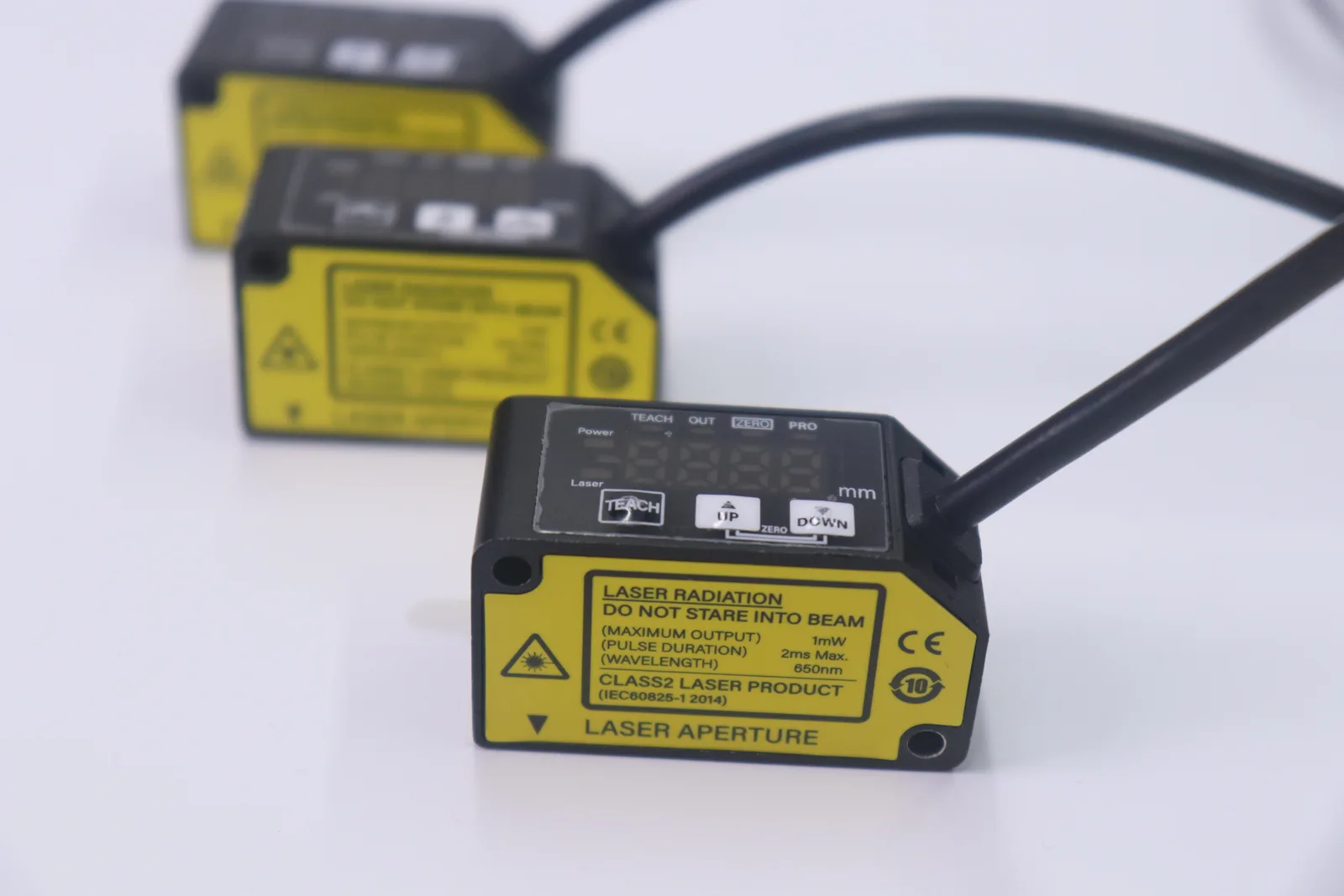
MG-S Laser Displacement Sensor

High-precision laser triangulation displacement sensor for non-contact measurement of position, thickness, vibration, and surface profile. Micron-level resolution with fast sampling rates suitable for machine vision, automated inspection, and process control applications.

±1 µm Resolution 10–1000 mm Range Analog / RS422 IP67 Non-Contact
R / H / E Series
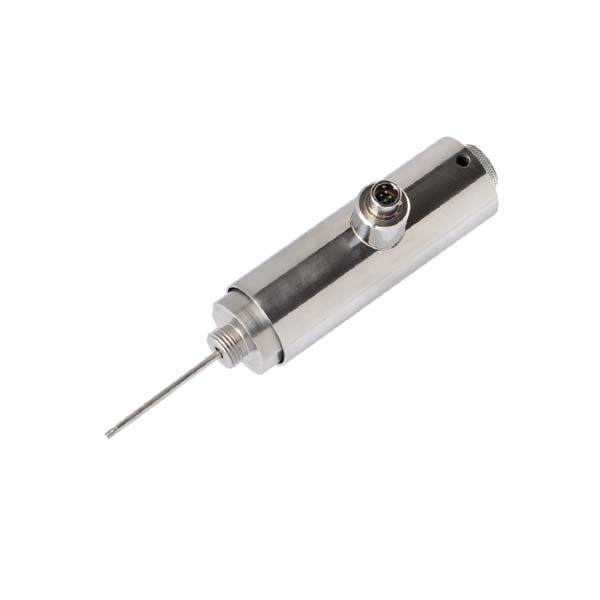
Magnetostrictive Linear Position Sensor

Absolute linear position sensing based on magnetostrictive technology. Immune to vibration, shock, and contamination. Rod-style (R), housing (H), and external (E) form factors cover strokes from 25 mm to 4000 mm. Start-stop pulse, SSI, and analog output options.

25–8000 mm Stroke ±0.05 mm Accuracy SSI / Start-Stop / Analog IP67 / IP69K Absolute Position
SLT Series
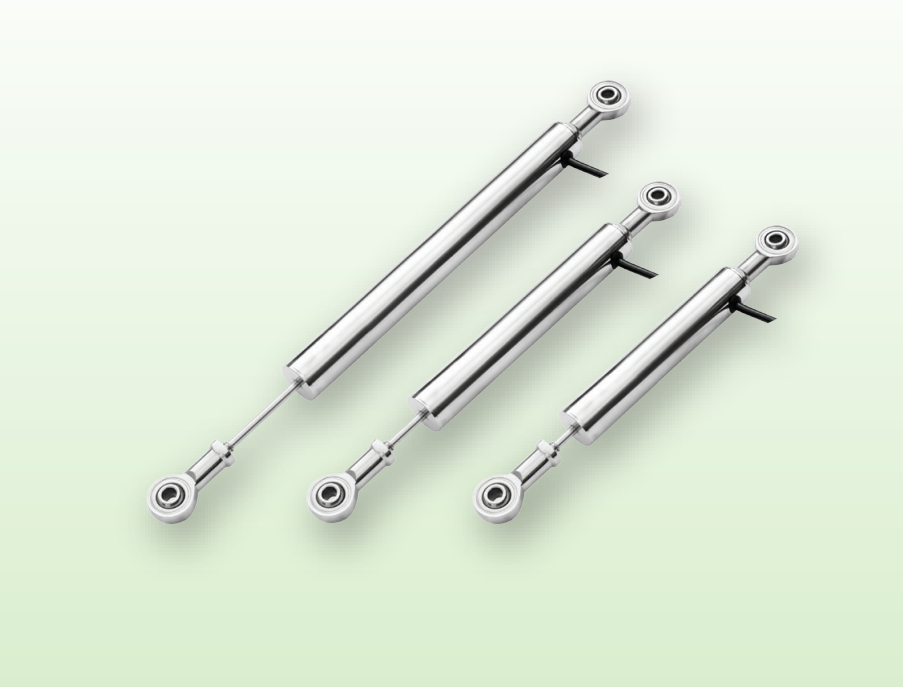
LVDT Pen Displacement Sensor — SLT Series

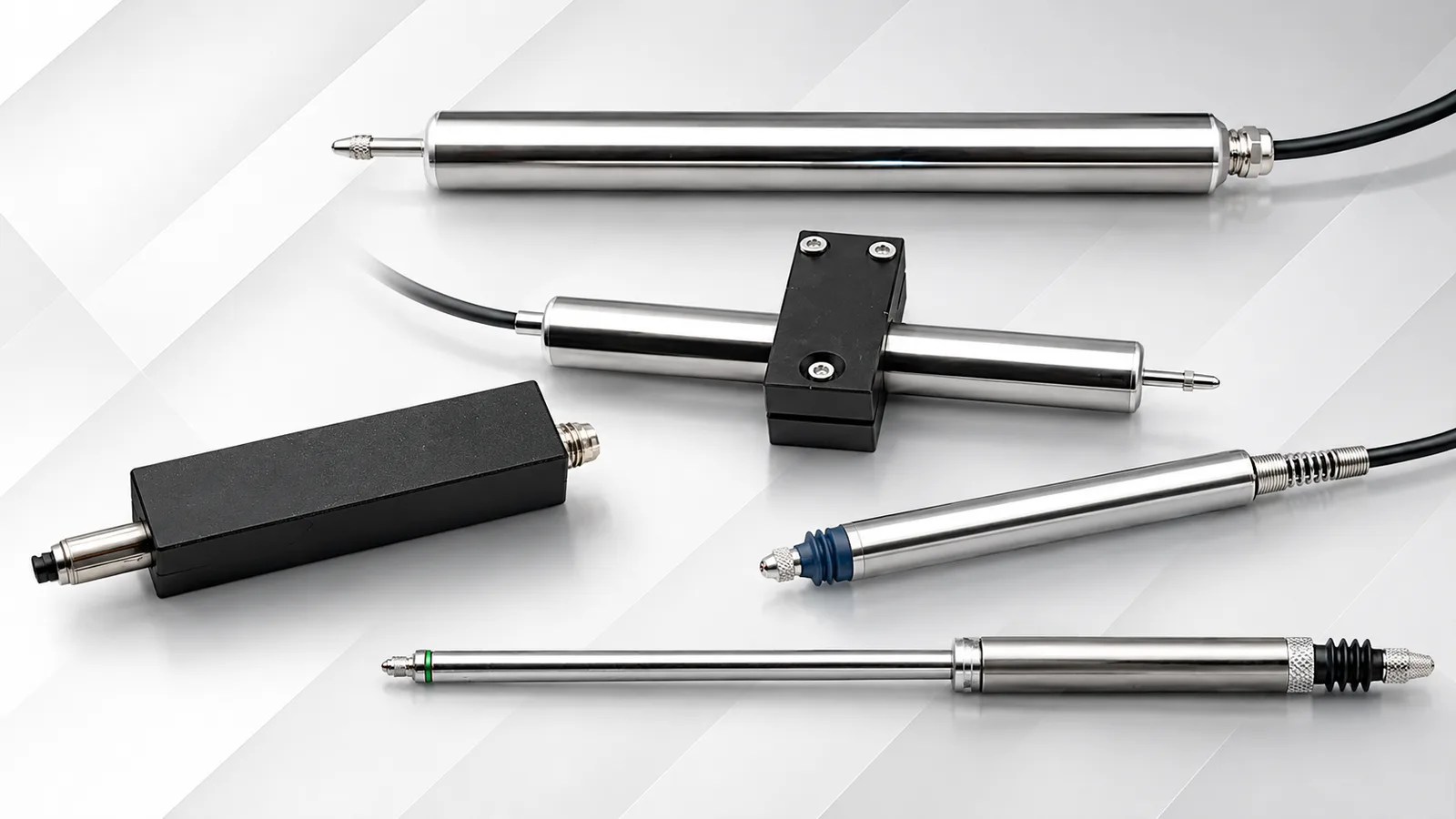
AC/DC-powered LVDT pen-type displacement sensors for precision dimensional measurement in gauging, quality control, and industrial automation. Spring-loaded probe tip for consistent contact force. Available in analog voltage, 4–20 mA, and RS485 digital output variants.

±0.5 µm Resolution ±20 mm Stroke Analog / 4–20 mA / RS485 Spring-Loaded Probe IP54

Need a custom displacement measurement solution?

Our engineers can match the right sensor technology — LVDT, laser, or magnetostrictive — to your stroke, accuracy, and environment requirements.

About LVDT Displacement Sensor Downloads

This page provides the complete documentation library for SEGMENsensor displacement sensors and LVDT series. Available documents include product datasheets, CE declarations of conformity, UKCA certificates, RoHS compliance statements, wiring diagrams covering ±10 V, 4–20 mA, and 0–10 V outputs, dimensional drawings with probe tip and spring specifications, and signal conditioner configuration guides.

Engineers use these documents during gauge fixture design, metrology system integration, quality control station wiring, and CE compliance documentation. The dimensional drawings include body diameter, mounting thread, stroke length, cable exit direction, and connector pinout. Signal conditioner guides cover excitation frequency selection, output scaling, and zero-offset adjustment procedures.

All documents are free to download — no registration required. For STEP files, DXF drawings, or custom stroke datasheets not listed here, contact info@segmensensor.com with your model number for delivery within 48 hours.
Key Specifications at a Glance

Parameter Specification
Measurement Range±1 mm to ±500 mm (contact LVDT / linear position)
Resolution0.1 µm (with 16-bit signal conditioner); infinite (analog)
Linearity±0.1% FS
Output Signal0–10 V, 4–20 mA, ±10 V, RS485 Modbus
Protection RatingIP67 standard; IP68 submersible option
Supply Voltage9–28 V DC (DC-LVDT); 1–10 kHz excitation (AC-LVDT)
Spring Force (SLT)0.5–1.5 N (adjustable spring-loaded probe)

Application Notes

LVDT and displacement sensors provide frictionless, non-wearing measurement with theoretically infinite resolution, making them the preferred choice for precision gauging and closed-loop position control. The following applications are the most common scenarios covered in SEGMENsensor technical documentation.

Dimensional Gauging and Quality Control: Spring-loaded SLT series LVDT pen sensors measure part dimensions in gauge fixtures on production lines. The consistent spring contact force ensures repeatable measurements across thousands of parts without calibration drift, with 0–10 V output feeding directly into data acquisition systems.

Machine Tool Slide and Spindle Position: Linear displacement sensors with IP67 sealing monitor tool position, workpiece clamp position, and spindle extension in CNC machining centres, grinding machines, and EDM equipment. Absolute position output eliminates referencing runs after power-off.

Structural Deformation and Vibration Monitoring: High-resolution LVDT sensors measure structural displacement, bearing clearance, and vibration amplitude in turbines, compressors, and civil engineering structures. The non-contact sensing principle eliminates probe wear under continuous dynamic loading.

FAQ

LVDT Sensor Downloads — FAQ

What file formats are available for LVDT sensor datasheets?
All LVDT sensor datasheets are available as PDF files. Technical drawings are in PDF, with DXF and STEP files available on request for OEM integration.
Do the datasheets include wiring diagrams?
Yes. Every LVDT datasheet includes colour-coded wiring diagrams, output circuit schematics (±10V, 4–20mA, 0–10V), and PLC connection examples.
Can I download CE declaration of conformity for LVDT sensors?
Yes. CE declarations are available for all LVDT models. Download from this page or email info@segmensensor.com with your model number.
Are LVDT sensors RoHS compliant?
Yes. All SEGMENsensor LVDT sensors are RoHS 3 (EU 2015/863) compliant. RoHS declarations are available on request.
How do I request a custom LVDT datasheet?
Email info@segmensensor.com with your specifications. Custom datasheets and dimensional drawings are provided within 48 hours.
What is the difference between AC-LVDT and DC-LVDT?
AC-LVDTs require an external signal conditioner to supply the excitation frequency (typically 1–10 kHz) and to demodulate the differential output voltage. DC-LVDTs include an integrated oscillator and demodulator, outputting a conditioned 0–10 V or 4–20 mA signal directly from a DC supply. The datasheet for each model specifies which type applies and the required supply voltage.
Can LVDTs measure in wet or submerged environments?
Yes. Spring-loaded LVDT variants rated IP67 operate reliably in water, cutting fluids, and hydraulic oil. IP68 submersible variants are available for continuous immersion up to 3 metres depth. Both ratings are tested per IEC 60529 and stated on the datasheet.
What resolution does an LVDT sensor achieve?
LVDT displacement sensors have theoretically infinite resolution because the output is a continuous analog signal with no mechanical contact or detents. In practice, achievable resolution depends on conditioning electronics: ±0.1 µm with 16-bit signal conditioning, ±1 µm with standard 12-bit output. Resolution figures are specified in the signal conditioner datasheet.
info@segmensensor.com